TheJournal.ie uses cookies. By continuing to browse this site you are agreeing to our use of cookies. Click here to find out more »
Dublin: 10 °C Monday 20 May, 2013

PICS: Dimock Proud – fracking and community in Pennsylvania

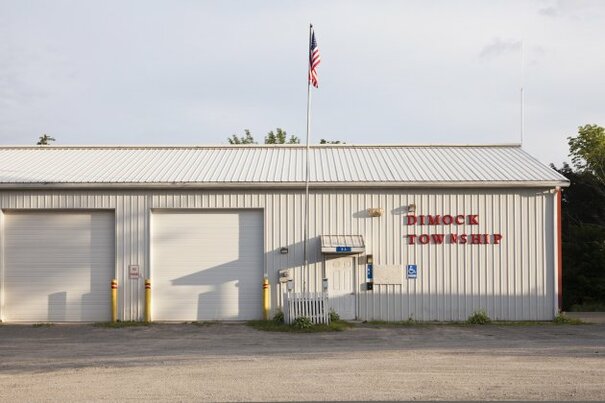
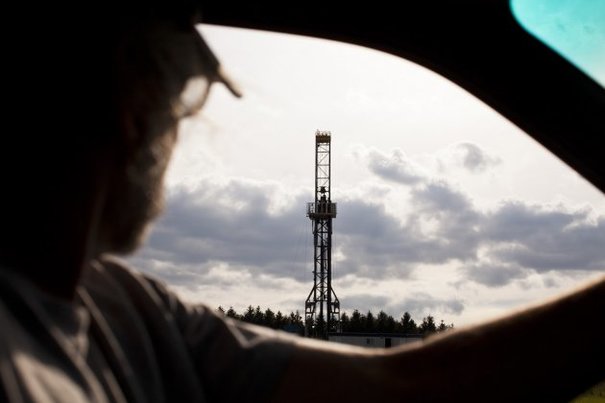
Photographer Sean Breithaupt travelled to Dimock Township, Susquehanna County, Pennsylvania and spoke to people who have had their lives impacted by fracking.

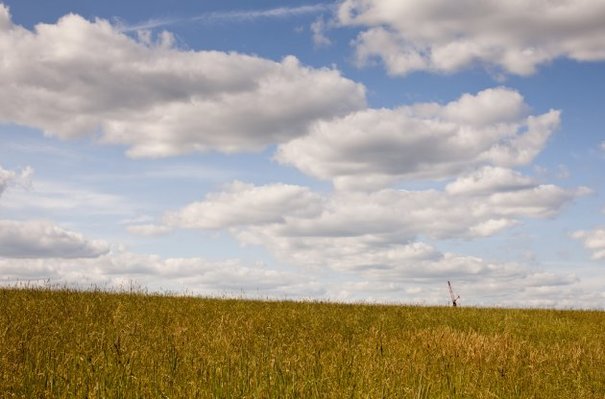
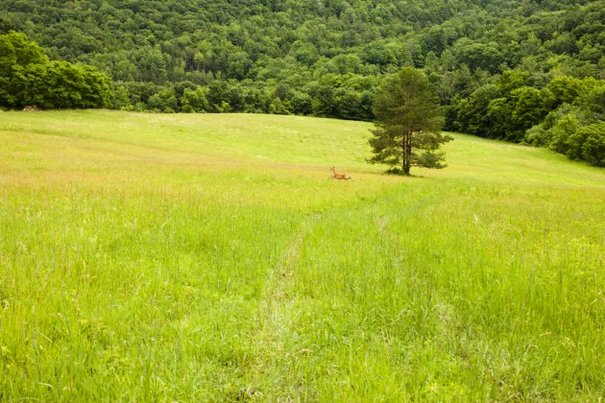
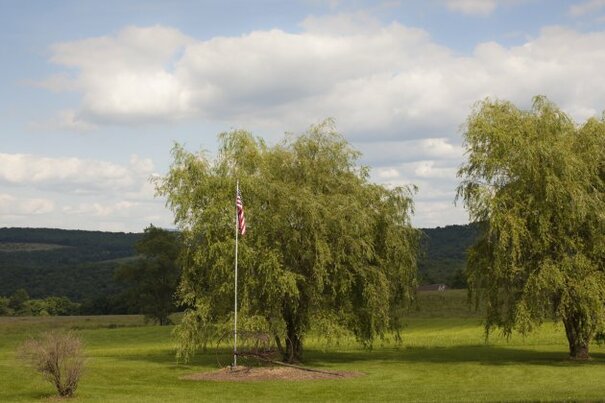
DIMOCK TOWNSHIP IN Susquehanna County, Pennsylvania, is a rural town at the foothills of the Appalachian mountains.

With a population of 1,497 at the last census in 2010, its rolling hills and expansive fields are home to many farmers, and people who enjoy the lifestyle that living in a remote area offers. In the early 2000s, companies began to approach homeowners there to see if they could undertake hydraulic fracturing, or fracking, on their land.

This controversial drilling procedure is aimed at extracting natural gas from the Marcellus Formation, sedimentary rock across parts of North America. The limestone layers under the Marcellus have trapped natural gas reserves in the rock, and hydraulic fracturing literally involves creating fractures in it using a pressurised fluid.

The resulting fractures can encourage gas and petroleum to move to reservoir rocks, and the hope with fracking is that countries can use this instead of fuel from other countries, thereby saving money and encouraging local industry.

Dimock Township

From 2009, some residents of Dimock Township began complaining that fracking on their land had caused issues with their water. In May of this year, water treatments were placed in some homes, and methane and arsenic was found, Reuters reported at the time.

The EPA tested water at 61 homes in Dimock, and in early May said that the results their sampling showed did not give them a reason to take further action. America’s Environmental Protection Agency issued the first national air pollution regulations for fracking in April 2012. In 2005, fracking was exempted by the American Congress from the Safe Water Drinking Act.

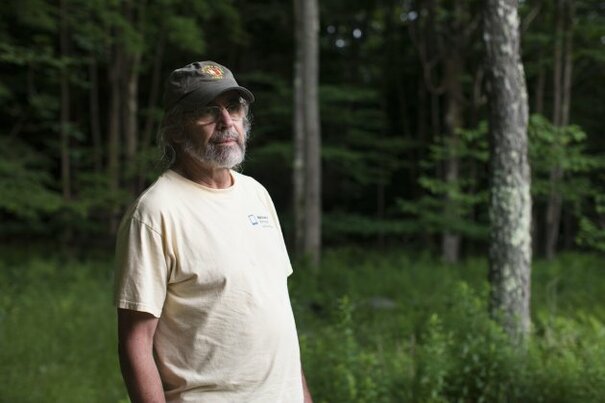
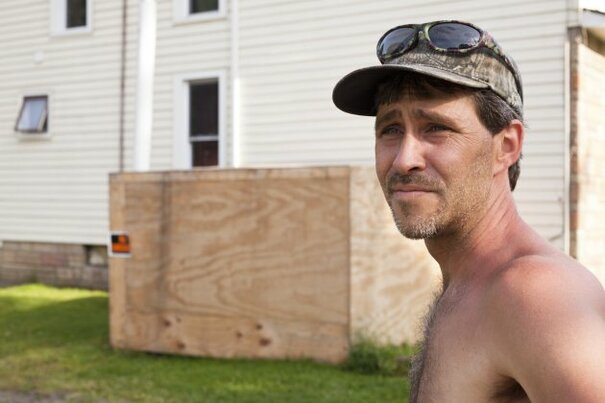
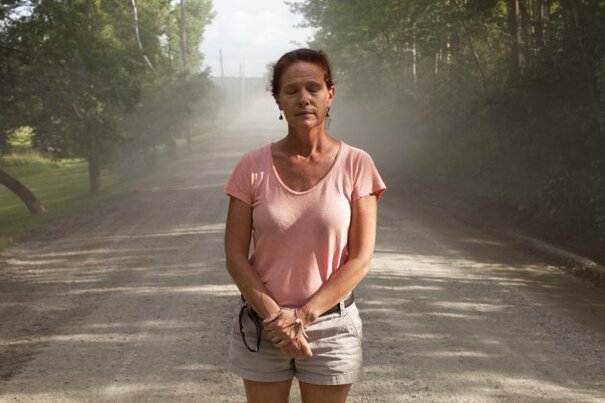
Dublin-based photographer Sean Breithaupt found out about fracking last year and decided to go to Dimock to find out more. While there, he met with community members who spoke – some on condition of anonymity – to him about their experiences.

The money paid to people who allow fracking on their land is not small – thousands to hundreds of thousands of dollars that can be of huge benefit to householders for paying off mortgages and keeping up farm work.

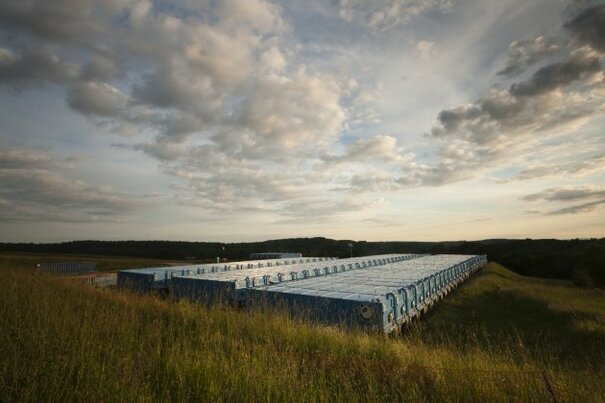
In Dimock, water from the Susquehana river is used during fracking, with 16 per cent of its supply allocated to the industry and each site using 14 million litres per day. Some locals say the drilling and the flare which is used to burn off the gas cause noise pollution. A number of those Breithaupt spoke to said that the fracking had changed their lives, and not for the better – but that they had neighbours who were perfectly happy with how things had worked out for them.

Fracking has created jobs and industry in the township, and for some people, fracking is patriotic; for others it is a way to earn money. A 2010 documentary, Gasland, focused on the stories of some people who had experienced fracking on or near their land, including in Dimock county, and many of the issues raised are also seen in the interviews with the people Breithaupt met.


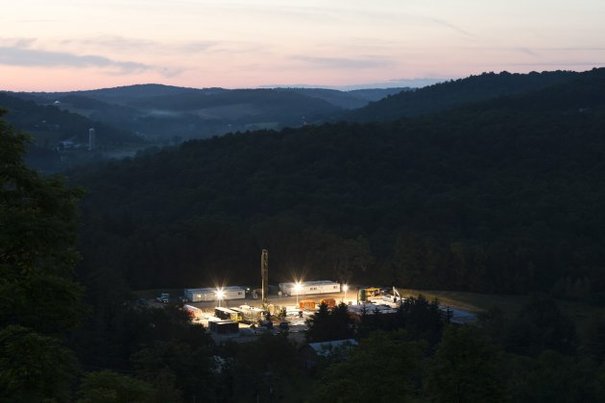
Fracking taking place at night. (Video: Sean Breithaupt)

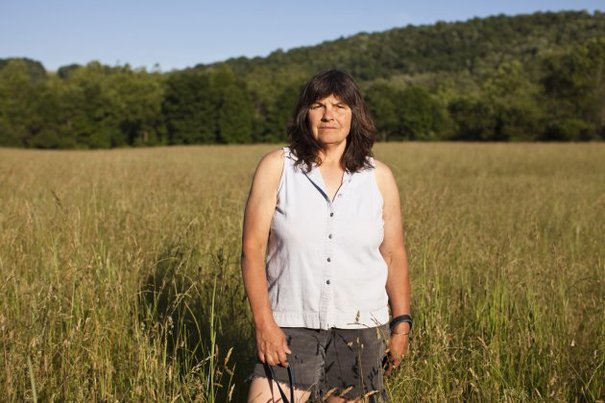
Larissa

Speaking to Breithaupt, Larissa said that her family had had to sell their cows from their dairy farm due to the effect of the water on their health after fracking took place on their land. She claimed that high barium levels led to a drop in milk production.

Larissa said that the first landowners the gas companies went to reach out to were farmers, particularly the dairy farmers, as they owned most of the land and were in the most financial trouble.

She said that farmers have had their land leased out for natural gas drilling several times over last 100 years, and nothing ever came of it before, so they assumed this time it would be similar. “We did not realise that drilling actually would happen,” she said.

Her family let the company use 550 acres of their land for $50 an acre. Her family do not have water filters for their drinking water, but other families were offered this, she said. They have been drinking bottled water ever since, but their cows drank unfiltered well water, and she said milk production decreased after they began drinking it.

Larissa’s mother has taken complaints to the EPA. The family want to get out of their current lease and re-sign it with water protection, but so far this has not worked out.

This is not a bad industry. the problem with it though is that most of people they’re dealing with don’t know what they’re getting into; don’t know what to look for.

Often, when people signed their leases they didn’t know to ask about water protection, air noise quality and other aspects of fracking, said Larissa. “This industry makes a lot of money, they have the ability to do things properly,” she said. For her, it is not a black and white issue.

I believe we’ve got to make them do it the right way, we’ve got to make them do it properly, and when they screw up they’ve got to pay for it properly.

For her, fracking has the opportunity to be of financial help to a lot of struggling communities – but it shouldn’t be “at the cost of these communities”.

Rebecca

Rebecca told Breithaupt that she and her husband received notices asking would they give the go-ahead for fracking on their land in 2004, and went on to sign a lease in 2006 with a company. She says they were told there would only be drilling for a short period of time, and is unhappy with how the arrangement worked out.

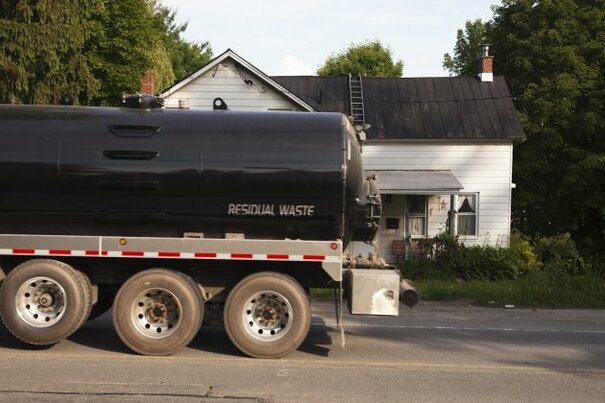
Roter says she has seen fracking impact on the local community. “I think this was an insulated static community that hadn’t had a lot of change. You didn’t have to lock your door. I felt so safe.” She said there was low crime, and not much traffic, and now that has changed. There are a lot of transient workers, and the crime rate has also gone up.

“If you have people who aren’t vested in this community then they are willing to sacrifice it,” she said, adding that she and others had commissioned community-designed billboards on the issue that were not put up in the local area.

She said that the noise from the flaring at night during frackong “is unbelievable”. “All these kinds of things break down unspoken contracts of civility in the community,” she said.

Bret and Susan

Bret’s water supply contains such a cocktail of chemicals that it has been cut off, and he has a separate water buffalo – filled by a local charity – to provide his family with water to shower. The gas company originally supplied that water but stopped.

He cannot sell his house, while the local swimming spot nearby bubbles with methane.

Another homeowner, Susan, also has problems with her water, and told Breithaupt she had experienced elevated barium in her water supply.

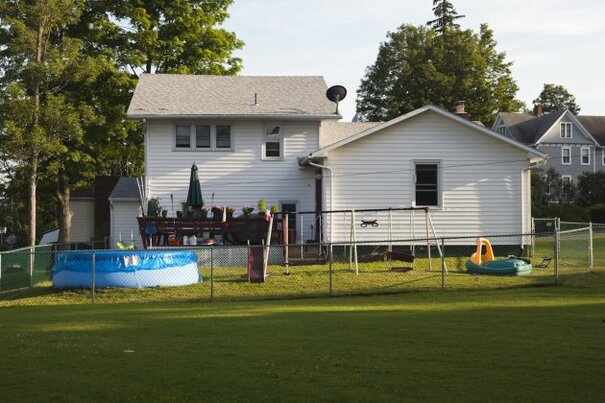
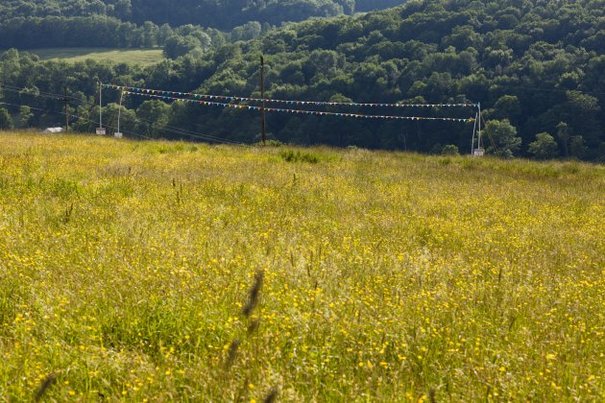
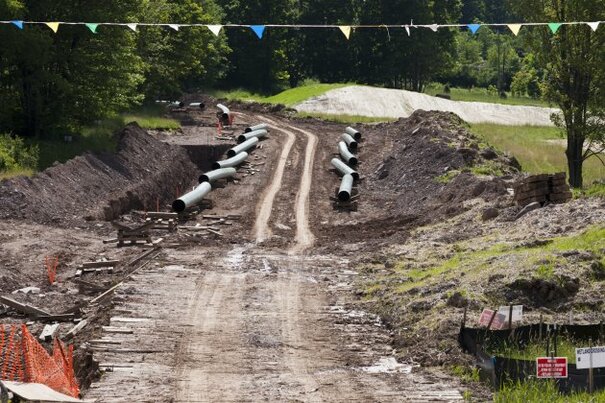
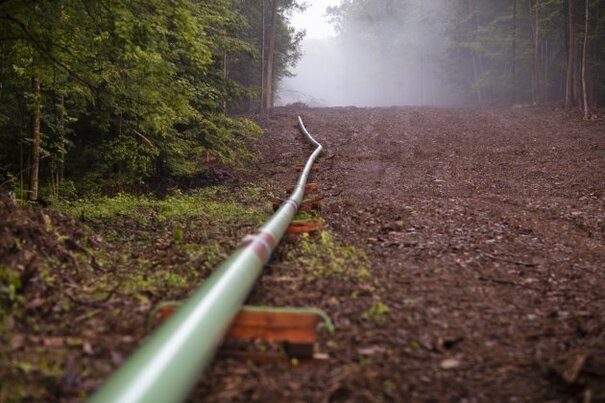
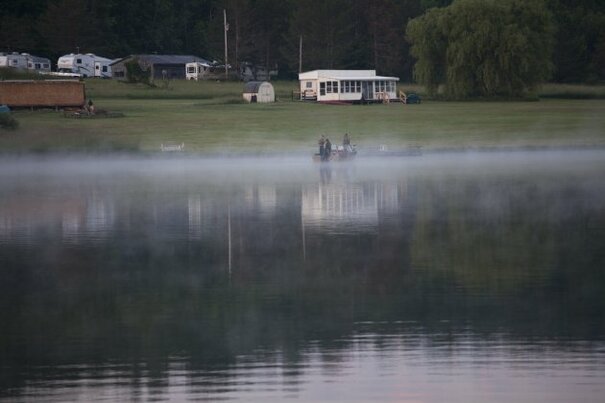
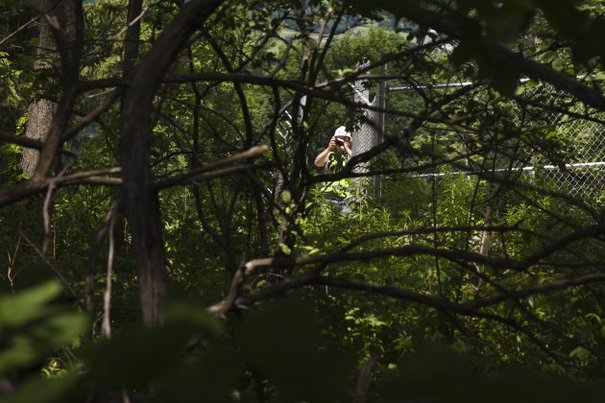
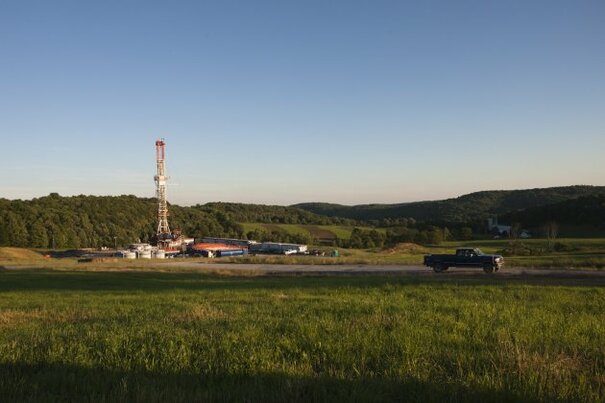
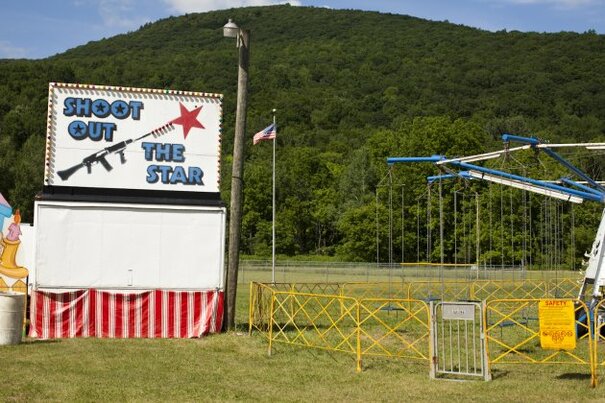
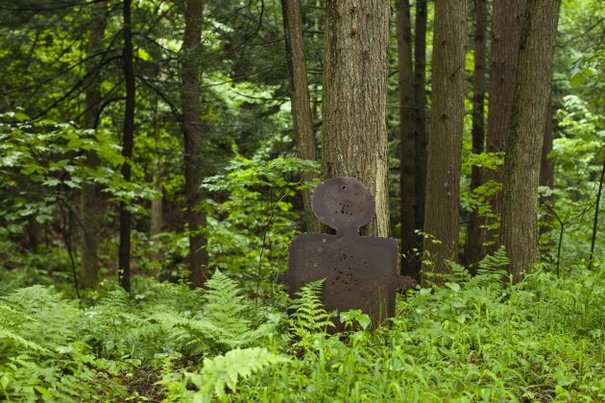
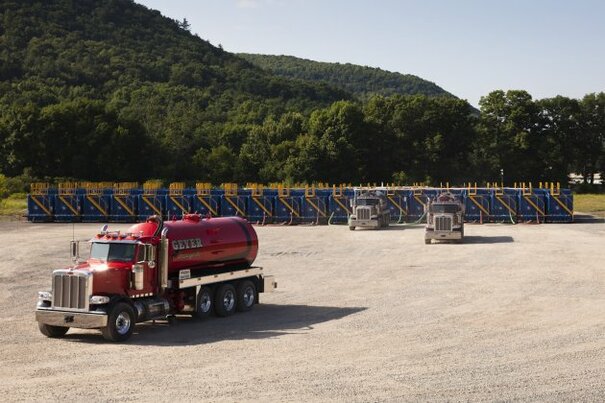
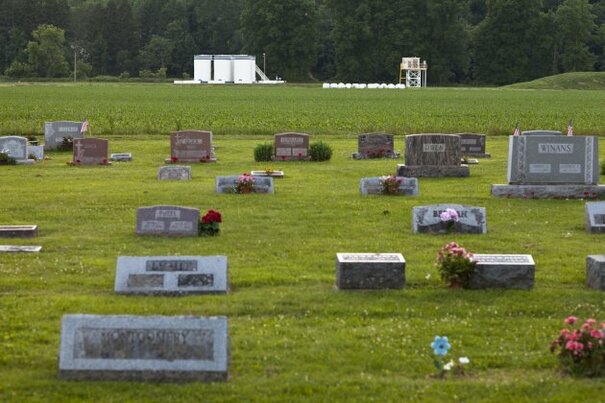
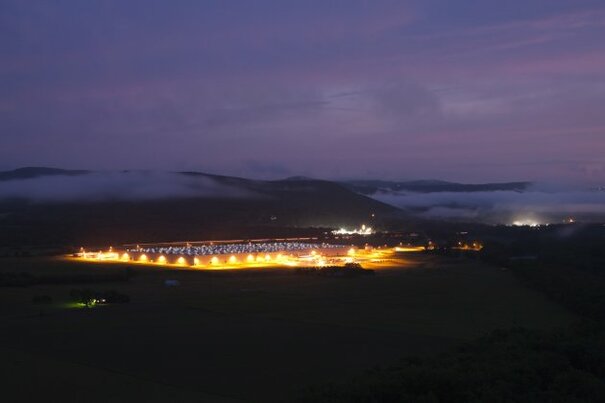
Below are photos that Breithaupt took while in Dimock, showing the many different sides to the townland, including fracking sites. While there, he took portraits of some of the locals on their land, as well as sites which have been marked for fracking, indicated with a row of bunting, and those on which fracking is taking place – such as near a graveyard.

PICS: Dimock Proud – fracking and community in Pennsylvania
1 / 27

Read: Natural gas field in west Clare confirmed as prospective fracking site>

Read: EPA fracking study reveals potential impact on groundwater and earthquakes>

Read next:

Comments (36 Comments)

  • It’s obviously complicated. You can’t just Rape the environment with no consequences but importing a massive percentage of your energy is not good either. More wind power combined with less energy usage is the only solution.

    Reply
  • ”In 2005 fracking was exempted by the American Congress from the Safe Water Drinking Act.”

    Says it all. Big Oil, through its lobby-greasers, OWNS Congress.

    It couldn’t happen with all our sainted scholars in our Oireachtas.

    Reply
  • Other atrocities visited on Dimock by the industry:

    Vera Scroggins
    Dec 20 (3 days ago)

    to Susquehanna
    I went to the Planning Commission meeting on Tues. night
    and learned more about the Church Compressor Station that Williams
    wants to build within a couple of miles of the presently existing
    Lathrop Station and the Shields Compressor Station, now under construction.
    this will make THREE Compressor Stations in a few miles radius
    of Dimock Township, and across from and near homes, families,
    animals to receive the daily dose of toxic fumes, emissions and
    continual noise that tested at 80 decibels at a neighbors home near
    the Lathrop Station.
    The details of this new, additional site waiting for permits to be built
    came up for “conditional preliminary approval” from the Susquehanna
    County Planning Commission.
    This “approval” after hearing the complaints
    and comments by residents, was wisely tabled for next month’s meeting
    on Jan. 22nd at 7 pm. Please come and witness and comment
    about your county’s health and environment being negatively impacted.

    These are some of the details about this Church site:
    It’s on 68 acres on SR 3010, the former Bednash property.
    Mr. Bednash passed away over a couple of years ago and this property
    was deeded to his Polish Catholic Church, which they sold to Williams Gas
    or Williams Field Services.
    The Compressor Station building dimensions are 60′ X 371.5′ and
    ill house a total of EIGHT COMPRESSORS !!
    This Station will be even bigger than the Lathrop Station nearby ,
    which is our biggest station in the county !!
    Another building is the control building at 10.5′ X 41.5′.
    Another building is the electrical building at 10.5′ X 41.5′.
    And various equipment necessary for the processing of the GAS.
    A wetland permit was issued by DEP for the private road into this site.
    Williams has proposed a 1,028 feet long access road.
    A waiver of sewer planning has been submitted because the site
    will be UNMANNED !! and not cause any sewage flow.
    This is an industrial site — no. 3– in the 3 mile- radius area and
    about a couple of miles of ELK LAKE SCHOOLS.
    This is one of over 20 sites waiting to be permitted in our COUNTY !!
    This is only the beginning of development to fill our County with
    endless gas pads, endless pipelines, endless Compressor Stations.
    Compressor Stations, which are being proposed every two to four miles
    along transmisson/gathering lines…
    Please speak out while we can still do something about this.
    Who will buy our homes across from industrial sites and who will
    pay for our hospital bills as we get sick from bad air, continual noise,
    and bad water.

    Reply
  • I happen to live in Susquehanna County, PA USA and to say that “The vast majority of people benefitted positively from fracking in the US ” illustrates a very simplistic view of the situation. I would say it is more accurate to say that a small group if people benefit greatly in financial terms, and some, and many of these are silent because of non-disclosure agreements in legal settlements, have had significant damage to their land and quality of life. But the vast majority suffer the subsidiary effects of increased traffic, noise, light, and air pollution and increased crime in some instances without experiencing much benefit. Certainly at least a whole rural way of life and rural landscapes and ecosystems have been irrevocably altered. Whether the whole country will benefit in terms of cheaper fuel for a long period of time and whether the Oil & Gas Corporations will gain in the end is still to be proven. Cost are high, risks are high, it’s a crap shoot. Natural Gas is cleaner burning than coal yes; but the extraction process is dirty and expensive with many unproven results. This is not old fashioned hydro-fracturing, this is an experiment and my County is one of the test subjects. In fact one of the founders of this process, Dr. Terry Engelder called us necessary sacrifices.
    “This [fracking] is a new technology. The gas industry is learning as they go along and we need to give them a chance to get it right.” He then quoted John F. Kennedy, telling those of us in the audience to “ask what we can do for our country” and thanking us for our patriotism for living in the heart of what he called ‘the sacrifice zone.”

    http://www.dailykos.com/story/2012/04/11/1082551/-Why-Fracking-Epitomizes-the-Crisis-in-American-Democracy-Profiteering-and-the-Good-American

    Reply
  • This piece is a bit biased really, the documentary gaslands is not any sort of reference to be using on the topic of fracking.

    The vast majority of people benefitted positively from fracking in the US , a few residents here had minor water issues with self drilled shallow wells, this article and the gaslands documentary paint this as having been caused by fracking , when there is no proof to back any of that up,

    Reply
    • I think gasland showed proof is was fracking very clearly. To say it benefitted the vast majority of people is a joke seen as natural gas price didn’t go down in America. They also have the biggest debt in history so don’t lecture me on how it helped the economy.

      It helped the big companies at the expense of the people and the land they live on.

      Reply
    • StephChurch……wondering who you credit for this information!?….

      Reply
    • Well the EPA had no issue with the water, haliburtons own tests showed nothing , and in gaslands everyone with the problem has their own shallow dug water well. Thats my evidence , If you can show me a credible study on the effects of fracking by somebody who’s worked in the petrochem industry who isnt funded by an environmental group , then I shall listen

      Reply
    • Agreed, the makers of Gasland withdrew most of their claims and admitted it is not actually a documentary.

      No point banning anything, but very easy to ensure it is done properly. Just takes a little more effort to show them how smart we all are!

      Reply
    • Hmmm..so let me get this straight Stephen..Firstly, The EPA had no problem with the water you say, well the EPA didn’t do any study themselves, they commissioned the University of Aberdeen to do the study, and guess who is the biggest funder of the University..yep you guessed right …the petrochemical industry who of course would have absolutely no vested interest in a positive report about the consequences of fracking..so any sentient person who might be neutral on the issue would have to question the integrity of the report.
      Secondly, you quote Haliburton..one of the biggest winners in the shale gas boom..so no vested interest there either…
      Thirdly, you want a credible report on the effects of fracking from someone in the petrochemical industry…now that’s an oxymoron if I’ve ever heard of one.. On one side of the argument we have oil companies whose sole raison d’etre is to reap massive profits and who have a very dodgy environmental record for many many years as well as a reputation for putting their company profits before the well being of the communities in which they operate..on the other side you have groups of people, environmentalist (and you say this like its a bad thing to be one), who spend much of their free time and their own money ensuring the world in which we live remains reasonably bearable…it seems pretty sad that you would listen to big business without questioning their motives.

      Reply
    • Cillian, nobody could possibly have a true understanding of the exact implications and processes of fracking without working in the petrochems industry for one of the companies engaging in fracking, so by that very fact , any expert no matter how open and unbiased they are that comes out with anything positive to say about fracking will be bet down with the “you used to work for an oil company , you’re biased” stick by people like you. Environmentalists couldnt possibly understand the full impact of fracking without working in the industry, but you are happy to believe their lab generated / assumed results as long as it supports your agenda

      Reply
    • Stephen with regards to the expert fallacy – you don’t have to be a sewer worker to know a turd.
      I hope you didn’t trust the ‘experts’ in the Irish housing market – prices will always rise, soft landing , different demographics etc…

      First, though one does need to know the chemicals you’re looking for. The chemicals found in frack fluid are governed by trade secrets. So the testers are simply – unable – to test.
      Secondly one needs baseline studies. These were hardly ever done (or in the cases where there is some record, have disappeared mysteriously — see Ernst v Encana in Alberta Canada. There is Marcellus methane in the water in Dimmock in PA. The companies are saying – prove it was there before we fracked. Now I would have thought the absence of flammable water would have been sufficient, but it would seem a complete scientific rigourous breakdown is required.
      Thirdly if one does find chemicals and other material in the water, then I think you’ll agree keeping that information quiet with what looks like pre-determined reporting codes as in PA DEP recent whistleblower admission would seem to suggest that regulator, government, and gas companies are all bound in this.

      Remember too that if this project does go ahead in Ireland, pollution will be hushed up. Ireland can’t afford to lose its green image and if livestock gets affected as it has done in US, then all branches of the state, the IFA and everyone else will move to close down any word of pollution for fear of reputation — and remember this Irish government is all about reputation — that’s why you’re in a financial bind. [I live in Northern Ireland.. and we’re not much better off in the UK. in fact this is deeply worrying which the government seems to be ignoring at its peril in a dash for gas.
      http://www.guardian.co.uk/environment/2012/jan/19/fossil-fuels-sub-prime-mervyn-king
      http://nafeez.blogspot.co.uk/2012/12/the-great-oil-swindle-why-new-black.html?m=1
      http://www.independent.co.uk/news/business/news/viability-of-shale-gas-power-source-in-doubt-due-to-cost-8428145.html

      The full public health implications of this industry are only starting to emerge – eg asthma cases in FW area 3 times historical rate <10 yrs and nearly twice the Texas average. There are now many doctors who are requesting further public health impacts to be done on this industry in the US and Canada before allowing it to proceed.

      Reply
    • “environmentalists couldn’t possibly understand the full impact of Fracking without working in the industry”…. With all due respect Stephen..that is probably one of the stupidest comments I have ever seen posted on this or any other forum…it shows a blind respect for those in authority as if they would never lie to us..what a crock!!!…and as for me being happy to believe lab generated results..it seems that the same can be said for you…I have absolutely no problem with any company coming to ireland to exploit our natural resources.. As long as they do so with a respect for our environment, do so in a sustainable manner and have due regard for the local communities in which they will operate..fracking in its current format has so many unknown and uncontrollable factors to make it a high risk option at the minute. The gas is not going away..it will still be there in the future when the technology has improved and the current risks addressed so why should we jump in and licence these operators now when we could potentially do so in a far safer way in the future.

      Reply
    • Cillian , the problem is that you’ve declared the companies guilty and burdened them with proving their innocence which is not how the world works , there are studies from both sides (the companies themselves, and environmental groups) that have concluded both ways on fracking to suit their own agenda, leaving anything in gasland completely out as that film is biased to the hilt, there is no evidence for or against fracking that is conclusive enough for anyone to say its bad or good. Now Im willing to believe that of all the companies engage in it, that Atleast a third of them have commissioned a study to see what would happen to the land, so far it has not been deemed unsafe by any established unbiased organisation , and as someone who believes in progress, I feel we should allow fracking until there is credible research to prove it is dangerous, so that companies can work to improve the method to avoid those dangers, we have an energy crisis , we need that gas now , and fracking can get it for us.

      Reply
    • Well Stephen, I’m sure we are all glad that you are happy for Ireland to be turned into an experimental laboratory for the petrochemical industry to perfect the fracking technique…personally I prefer the option of waiting till the oil industry can prove beyond any doubt that there is any risk to our environment before offering them the keys to the kingdom. Some of the posts farther down from people who are actually living in the middle of “fracking land” make for very sobering reading though..

      Reply
    • Micheal 24/12/12 #

      Jessica Ernst, a 54 year old scientist with 30 years petroleum industry experience, is suing the Alberta government, Energy Resources Conservation Board (ERCB) and EnCana for negligence and unlawful activities. Ernst alleges that industry contaminated a shallow aquifer with natural gas and toxic industry-related chemicals. (11/12/11)

      http://www.youtube.com/watch?v=1xRQt3Q0xPc

      Reply
  • G. Ring 18/04/13 #

    The industry loves to tell us that hydraulic fracturing has been around since the 40s, this is not quite true. The development we are talking about today is known as high volume slickwater horizontal hydraulic fracturing and is not that old.

    So HVHF is not a technique that was developed in the 40s. Some techniques of well stimulation were developed at that time but what is currently used to extract shale gas requires technical processes which have only been discovered very recently:

    First horizontal shale gas well: 1991
    First slick water fracture: 1996
    First use of cluster drilling from one pad: 2007
    When well stimulation requires on average a 206 bar water pressure, hydraulic fracturing requires to inject fracking fluids at pressures up to 4 times higher (725 bar on average)

    The technologies have made it possible to extract shale gas economically. There’s a reason why it hasn’t been done earlier: First because gas price was too low to make these activities economical (it only really started in the US in 2008 when the gas price cost 13$ per unit) and secondly because the technologies necessary to extract this specific kind of gas didn’t exist.

    Reply
  • As a friend to several in banking I know at least one family that has tried to claim issues with their water had their loan denied over 10 years ago – why? Well was not useable, and now they are lying and jumping on the bandwagon – I’m not saying things happen, but I think the positives outweigh the negatives – Look at the wells next to 414 between Corning & Watkins, wait, that’s right now that 5-10years have past you can’t notice them!! And the “Documentary” – that’s a stretch – it was a movie funded by the UAE to increase the anti-fracking movement…

    For years growing up I’ve seen gas bubbling from the bottom of Keuka & Seneca lakes – so gas coming into well water, streams and lakes is nothing new around here… just folks are aware of it now – we used to light some of these “Bubble Streams”…

    Heck we need to get the drillers to move to safer fracking fluids (even though what they use is 97-99% water!) – there are some safer options and get enginering safer on well casings and such… I’m just tired of the government and others saying what I can do (or can’t do) with my rights! Pretty soon they’ll say if your name starts with “F, G, H, I ” you can’t drive on Tuesday – It’s bad for the enviroment and bothers those of us who ride bikes to work!!!

    Couple good resources: http://newsbusters.org/blogs/noel-sheppard/2012/09/28/matt-damons-anti-fracking-film-backed-opec-nation & http://www.denverpost.com/politics/ci_22586146/hickenloopers-sip-fracking-fluid-recalls-mag-chloride-cocktail

    Reply
  • I can wait to see the uneducated people come in with their arguments, it’s usually a good laugh.

    Reply
  • Gaskand is not a documentary, and should not be touted as one. It is an un sourced movie.

    Reply
  • Whats the big deal about fracking anyway???

    Reply
    • Well judging by the cash flow deficits in the US, its more PR than reality. Currently shale gas companies are losing 10 bn dollars a quarter. They are existing only because of co dependency with the banks – CHK 2nd biggest Natural gas producer is refinancing at rates above 8 percent when money is cheap, (1-2 percent normally) and having special deals brokered. The fact that QE4 is giving free cash to the banks through the Feds 40-80 bn dollars a month QE is effectively keeping the money drip alive.
      Many think that because the US has seen gas prices drop dramatically then we’ll see the same here.. Doesn’t work that way because the US market is internal — the US energy market is self contained. Any Irish gas would have to be sold on the European market and the amount we have wouldn’t cause any market shift. Similarly with Shale in the rest of Europe — although the Brits think they can force the Russians into some sort of deal – its like showing a crap hand in poker and still trying to bluff it.
      On the environmental side of things – there is an emerging body of evidence to support the case that this industry is extremely dangerous to animal and human health from air, water, and ground pollution. Across N Leitrim and Fermanagh 3000-9000 gas wells are proposed — with effectively 100 wells in a 1K radius of villages/houses/schools/playing fields. This is not some pylon running across someones wood or a mobile mast somewhere… its a major public health issue.

      Reply
    • Better learn because it may happen in your country.

      Reply
    • Andy…read ..along with the five reds….

      Reply

Add New Comment