Israel has insisted the threat of Iran developing a viable nuclear weapon was becoming more “urgent” – but Washington has indicated diplomacy remains the best option.
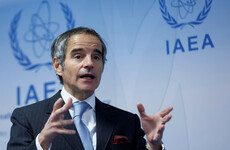
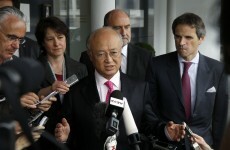
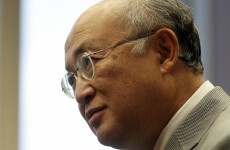
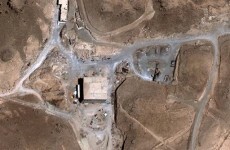
A deal has been reached with Iran that will allow the UN nuclear agency to restart a long-stalled probe into suspicions that Tehran has secretly worked on developing nuclear arms.
Reports issued by the IAEA today also say it has received information from UN members that Iran has worked secretly on the development of nuclear weapons.
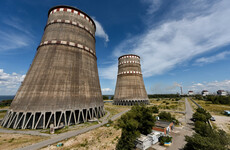
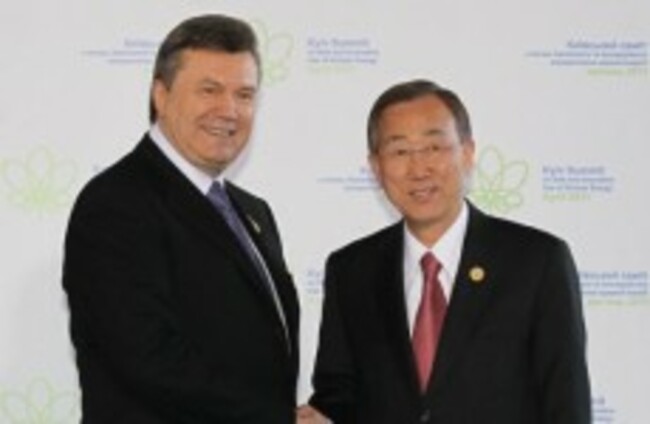
UN Secretary General Ban Ki-moon has said that the approach to nuclear power needs to be reconsidered following the disasters at Chernobyl and Fukushima.
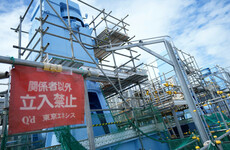
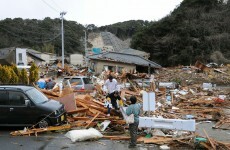
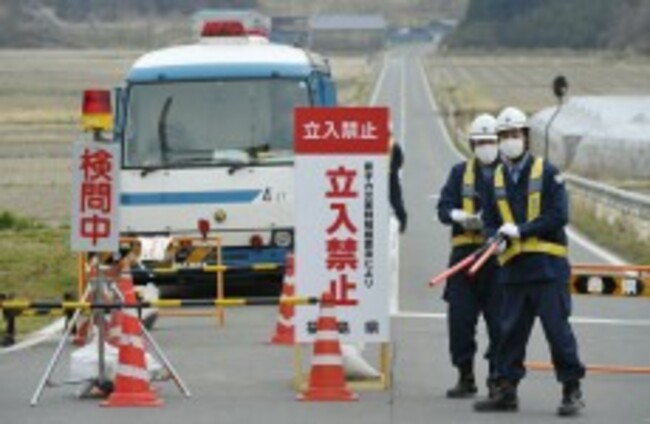
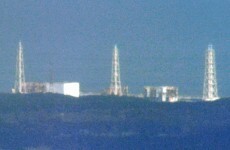
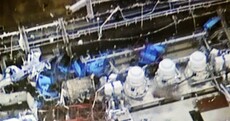
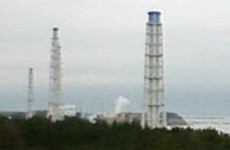
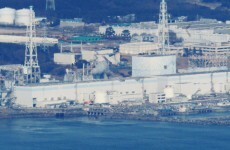
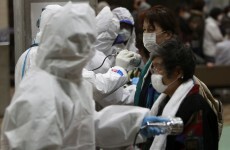
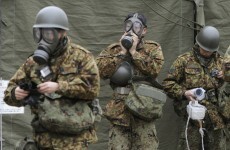
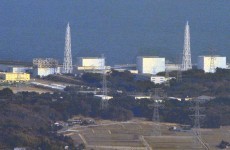
The drop in water levels at Unit 2 at the Fukushima has worried officials, while fears grow that rods in all three of the most troubled nuclear reactors may melt.
Despite Iran being the world’s second-largest exporter of crude oil and has the second-largest reserves of natural gas, it says it needs a nuclear reactor to guarantee an alternative energy source for its fossil fuel reserves run out.

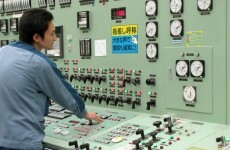
Tehran has said that the project has commenced under the watch of the International Atomic Energy Agency (IAEA), and that the depositing of uranium-packed fuel rods into the reactor will take about two weeks to complete.
Iran’s atomic energy agency released a statement, which read:
The operation of transferring nuclear fuel to the reactor was carried out in [the] presence of Ali Akbar Salehi, vice-president and head of Iran’s atomic body, and Sergei Kiriyenko, head of Russia’s atomic body, Rosatom
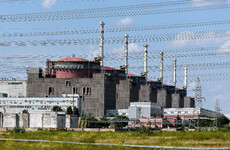
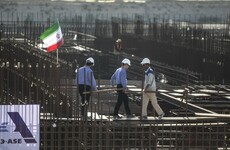
The Bushehr Plant
The start-up of the Bushehr plant, which has so far cost $1bn, has been delayed by nearly 40 years. The site of the plant was previously used by the Germany company Siemens, who had operation there in the 1970s. Russia agreed to help Iran to built a plant there in 1995.
International Reaction
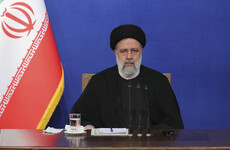
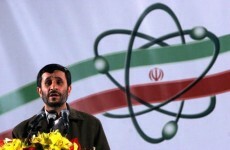
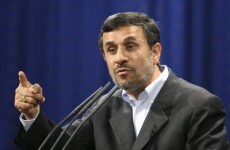
Although the US has said that it does not consider Bushehr as a proliferation risk, it has criticised the Russian decision to assist Iran at a time when tensions regarding Tehran’s nuclear ambitions are running high in the international community. Iranian President Mahmoud Ahmadinejad has denied that Iran is attempting to build a nuclear weapon, but fears are growing.
Sanctions have been placed on Iran by the the US, UN, and EU over the issue of Iran’s nuclear ambitions.
Russia has defended itself by pointing out that an agreement has been reached whereby Iran would return used fuel rods to Russia. Weapons-grade plutonium can be derived from spent fuel rods.
“Not a proliferation threat”
Speaking to Al-Jazeera, Mark Fitzpatrick, an expert in non-proliferation at the International Institute for Strategic Studies in London, said that the Bushehr plant would not be a proliferation threat “as long as it is run to produce power for electricity generation”. She added:
It would be a risk if Iran operated it differently, for short periods at low-burn up in order to produce weapons-usable plutonium – but in this case the IAEA would know.
AT A HIGH-profile US Senate meeting, technology giant Apple was accused of using Ireland as a ‘tax haven’.
The multinational firm, which employs 4,000 people in Ireland, reportedly avoided paying €34 billion in US taxes by negotiating a tax rate of less than 2 per cent with the Irish government – significantly lower than that nation’s 12.5 per cent statutory rate.
The Senate heard that American children are losing out on education because Apple is transferring profits to Irish subsidiaries.
However, the Taoiseach Enda Kenny has denied that Ireland is a tax haven and rejected claims that authorities had negotiated deals with multi-national companies.
So, today we want to know, what do you think? Should Ireland be tougher on multi-national companies when it comes to tax?