Sign in. It’s quick, free and it’s up to you.
An account is an optional way to support the work we do. Find out more.
Sign in. It’s quick, free and it’s up to you.
An account is an optional way to support the work we do. Find out more.
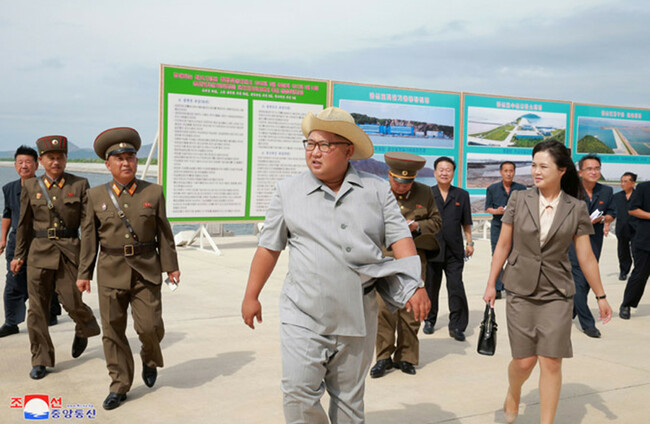
A GRUELLING HEATWAVE in North Korea is causing crops to wither in the fields and charities are warning that it may cause a “full-blown food security crisis”.
There has been no rainfall across the country since early July and temperatures are averaging 39 degrees Celsius.
The International Federation of Red Cross and Red Crescent Societies (IFRC) — the world’s largest disaster relief network — said the heatwave will have serious health consequences for children and elderly people unless urgent action is taken.
“This is not yet classified as a drought, but rice, maize and other crops are already withering in the fields, with potentially catastrophic effects,” Joseph Muyambo, Programme Manager for the IFRC in Pyongyang, said.
We cannot and must not let this situation become a full-blown food security crisis. We know that previous serious dry spells have disrupted the food supply to a point where it has caused serious health problems and malnutrition across the country.
Muyambo added that children under the age of five will suffer the most because high levels of malnutrition can cause impaired physical and cognitive growth.
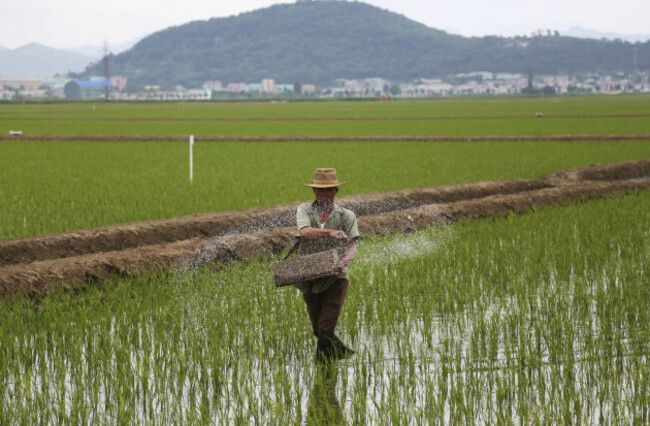
The IFRC says it is supporting more than 13,700 people who are most at risk from the heatwave. It has deployed emergency response teams and 20 water pumps to irrigate fields in the hardest-hit areas.
Even before the current dry spell, more than 10 million people – 40% of the population of North Korea – were in need of humanitarian assistance. The IFRC said recent sanctions imposed by the United Nations because of North Korea’s nuclear ambitions have deepened the crisis.

To embed this post, copy the code below on your site













have your say