TheJournal.ie uses cookies. By continuing to browse this site you are agreeing to our use of cookies. Click here to find out more »
Dublin: 10 °C Saturday 18 May, 2013

Satellite photos show damage to the earth caused by humans

Some of the destruction caused by humans destroying rainforests, draining marshes and drilling for fossil fuels has been captured by Nasa satellite photographs.

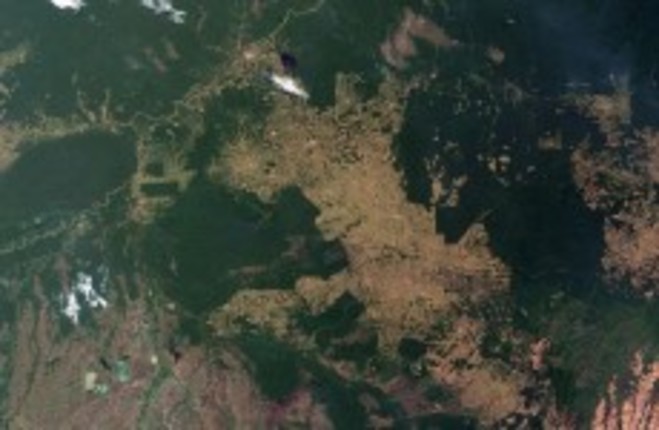
Brazil's Rondonia rainforest, 2008
Image: http://www.businessinsider.com

Reproduced with permission from Business Insider

IT TAKES a lot to provide for 7 billion humans.

Mankind is destroying rainforests, draining marshes and drilling into mountains to provide timber, water, coal and other resources.

Some of this destruction has been captured in before and after satellite photos.

In Rondônia, one of the most deforested Amazon regions, they captured roads and clearings replacing forest over the last decade.

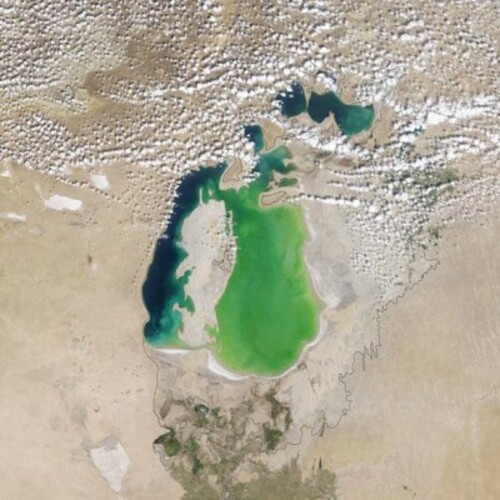
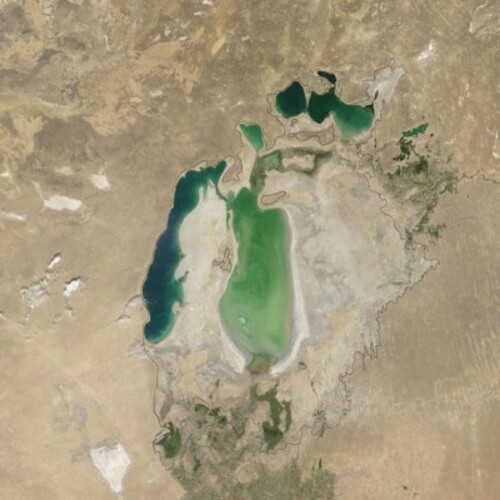
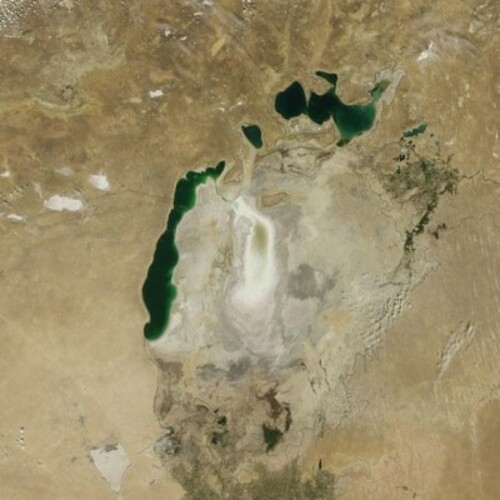
Before a Soviet Union irrigation project in the 1960s, the Aral Sea was the world’s fourth largest lake. During the 2005 to 2009 drought, the lake continued to dry up and was polluted by pesticides and fertilizer.

A twenty-five year time-series of coal mining in West Virginia shows the surrounding “valley fills,” streams filled with excess rock from the mountaintop removal. Scientists concluded that this mining process has “pervasive and irreversible” consequences.

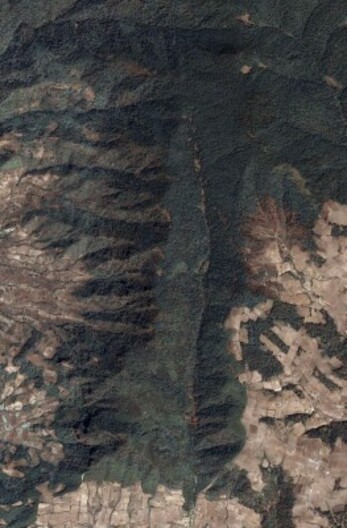
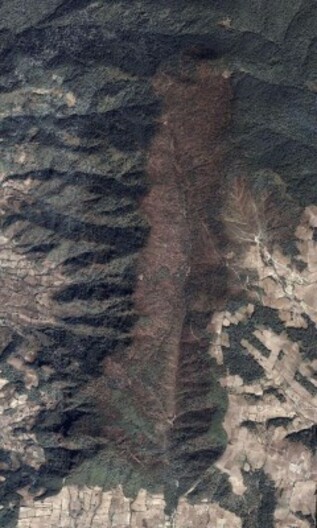
Images also show the spread of illegal logging into the Monarch Butterfly Biosphere Reserve in Mexico, where millions of Monarch butterflies spend the winter on just twelve mountaintops.

Satellite photos show damage to the earth caused by humans
1 / 7
  • MEXICO'S MONARCH BUTTERFLY RESERVE, 2004

    Illegal logging is destroying the Lomas de Aparicio monarch colony, where millions of monarch butterflies spend the winter. The NASA images show the loss of approximately 3.3% of the 33,410 core zone of the reserve lost to logging in just four years.
  • MEXICO'S MONARCH BUTTERFLY RESERVE, 2008

    The Lomas de Aparicio monarch colony, where millions of monarch butterflies spend the winter, is being logged despite its protected status. The NASA images show the loss of approximately 3.3% of the 33,410 core zone of the reserve lost to logging in just four years.
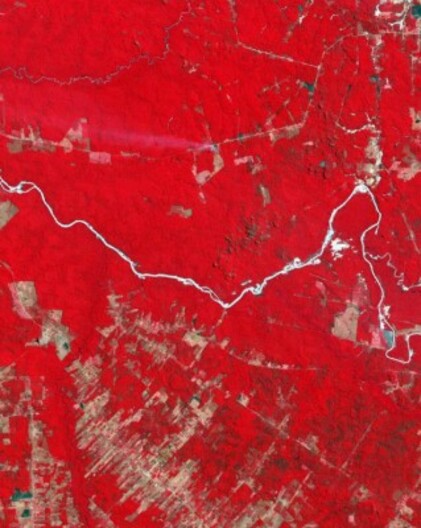
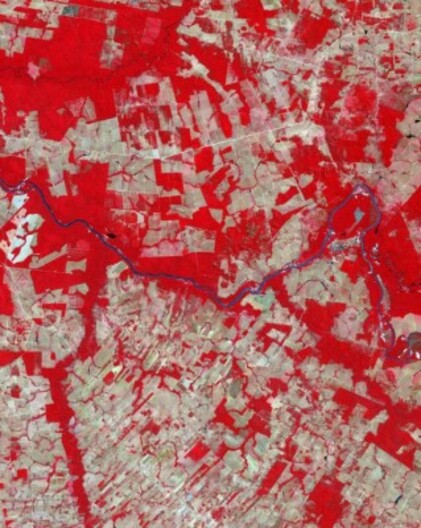
  • BRAZIL'S MATO GROSSO, 1992 (vegetation in red)

    Cleared Amazon forest in the central Brazil state of Mato Grosso shows up as beige rectangles over the span of fourteen years. Mechanized agriculture for crops such as soy took over 1.3 million acres in Mato Grosso just between 2001 and 2004.
  • BRAZIL'S MATO GROSSO, 2006 (vegetation in red)

    Cleared Amazon forest in the central Brazil state of Mato Grosso shows up as beige rectangles over the span of fourteen years. Mechanized agriculture for crops such as soy took over 1.3 million acres in Mato Grosso just between 2001 and 2004.
  • ARAL SEA, 2000 (original border in gray)

    By 2000 the Northern and Southern Aral Sea had already separated. The NASA pictures show how they shrank even further between 2005 and 2009 because of severe drought, and then increased in the summer of 2010 after the drought breaks.
  • ARAL SEA, 2004 (original border in gray)

    By 2000 the Northern and Southern Aral Sea had already separated. The NASA pictures show how they shrank even further between 2005 and 2009 because of severe drought, and then increased in the summer of 2010 after the drought breaks.
  • ARAL SEA, 2009 (original border in gray)

    By 2000 the Northern and Southern Aral Sea had already separated. The NASA pictures show how they shrank even further between 2005 and 2009 because of severe drought, and then increased in the summer of 2010 after the drought breaks.

View more pictures on Business Insider >


Read next:

Comments (1 Comment)

Add New Comment