Sign in. It’s quick, free and it’s up to you.
An account is an optional way to support the work we do. Find out more.
Sign in. It’s quick, free and it’s up to you.
An account is an optional way to support the work we do. Find out more.
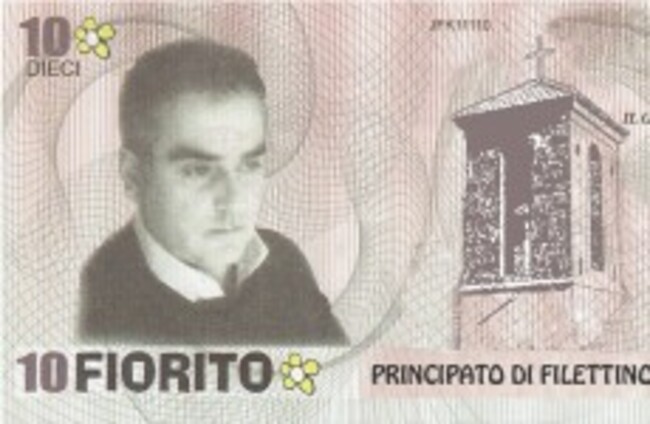
AN ITALIAN TOWN has begun to print its own currency – and wants to declare independence – in protest at government plans to merge small towns in an ambitious cost-cutting drive.
Filettino, which lies around 60 miles to the east of Rome, has a population of 598 – a population small enough to see the town officially merged with a neighbour under the emergency cost-cutting Budget currently before the Italian parliament.
The move is set to affect just under 2,000 towns – and while some of them have taken to appealing for Libyan refugees, hoping to cross the 1,000-population threshold that safeguards their status, Filettino’s plans are a little more ambitious.
Instead of merging with nearby Trevi, as Reuters reports, mayor Luca Sellari – who has only been in charge for three months – instead wants to secede from the Italian Republic, declare independence, and live as an independent entity.
Italy as a country has only existed in its current shape for less than two centuries – forged across the 19th century through the gradual amalgamation of city-states – with many rural areas still fiercely proud of their local traditions.
In Filettino’s case, the merger programme has been particularly badly received, especially since the town had previously boasted a population close to 3,000 – well above the threshold that would have been needed to maintain its individual status.
The New York Times reports that Sellari has already started forging a distinct local economy – with the local currency, the Fiorito, pegged to the euro (one fiorito is worth €2 – meaning the town could already boast an exports advantage) and already being used to buy t-shirts and liquor bearing the town’s coat of arms.
Opponents of the government’s merger programme say that local mayors and councils only cost the Italian state less than €6m a year – around the same amount that the taxpayer spends on the restaurant in the Chamber of Deputies, the 630-member lower house of parliament.
Last week the government backtracked on the programme, saying towns could keep their individual statuses, but that they will still have to perform as-yet-undefined “fundamental functions” on a collective basis by 2013.
But the ‘Principality of Filettino’ project is to continue, with Sellari saying: “We aim to achieve real autonomy from Italy, and we have the resources to do it.”
As the prince-in-waiting himself admits: “It’s everyone’s dream to be a prince.”

To embed this post, copy the code below on your site













have your say