Sign in. It’s quick, free and it’s up to you.
An account is an optional way to support the work we do. Find out more.
Sign in. It’s quick, free and it’s up to you.
An account is an optional way to support the work we do. Find out more.
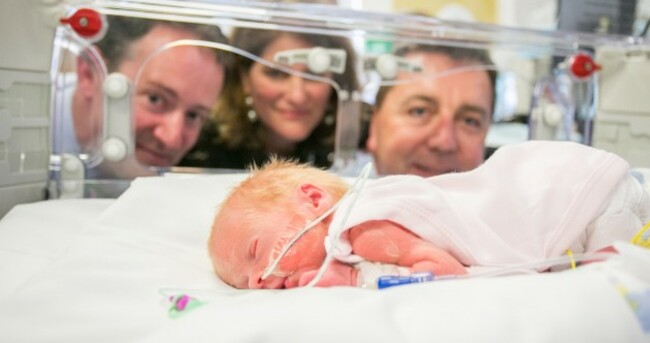
A NEW NATIONAL awareness day for preeclampsia, a potentially fatal condition affecting pregnant women and their babies, was launched today.
Preeclampsia impacts on one in ten pregnancies, although the warning signs can often go unnoticed, causing serious problems for mother and baby that could prove life threatening.
Deaths
Globally, the condition accounts for 76,000 maternal and 500,000 infant deaths each year alone.
Preclampsia can strike quickly, but the most common tell-tale signs are increased blood pressure and protein detected in the urine.
Other warning signs include:
Awareness vital
Eleni Tsigas, a preeclampsia survivor and executive director of the Preeclampsia Foundation in the US is in Ireland this week to meet with government and industry parties to highlight the need for greater awareness of the condition in Ireland.
There is currently no representative body or organisation in Ireland that acts as a voice for preeclampsia awareness, support and information for preeclampsia survivors.
For the mother, it can lead to acute problems of the liver, kidneys, brain and clotting system and survivors of preeclampsia have increased risk of cardiovascular and metabolic diseases later in life.
A quarter of all babies born to mothers with preeclampsia are growth restricted and a third are born prematurely. Being born growth restricted predisposes children to high blood pressure, diabetes and heart conditions in adult life.
Save lives
Tsigas said that making people more aware of the condition in Ireland could save lives, adding that while most may think of it as a condition from the past, such as what the fictional Downton Abbey character, Lady Sybil, who died of during childbirth, it still affects women to this day.
I am delighted to be working with the Irish government and industry here, particularly the INFANT Research Centre and Metabolomic Diagnostics, to help raise symptom awareness and encourage more people, male and female, carers and friends, to recognise this potentially fatal illness.
The Irish National Fetal and Neonatal Translational Research (INFANT) Centre based at Cork University Maternity Hospital is working on an early diagnostic test that has the potential to revolutionise prenatal care globally.

To embed this post, copy the code below on your site














have your say