Sign in. It’s quick, free and it’s up to you.
An account is an optional way to support the work we do. Find out more.
Sign in. It’s quick, free and it’s up to you.
An account is an optional way to support the work we do. Find out more.
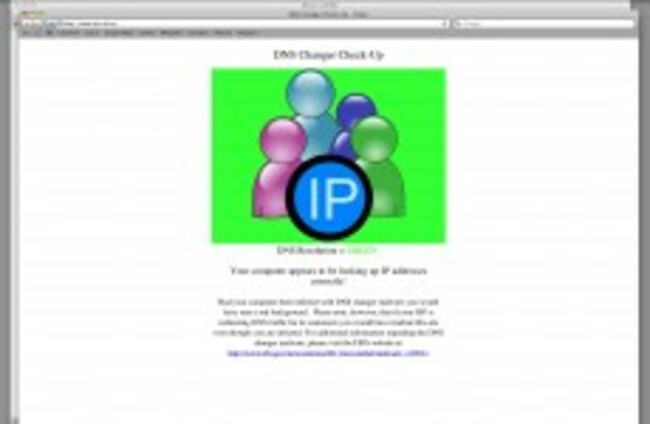
A QUICK CHECK of your computer for malware could save you the hassle of being booted off the internet on Monday.
CNET reports that up to four million computers were infected by the DNSChanger Trojan last year when international hackers ran an online advertising scam and took control of the computers.
When the FBI apprehended the hackers late last year, agents realized that if they turned off the malicious servers being used to control the computers, all the victims would lose their Internet service.
So, the FBI set up a safety net and brought in a private company to install two clean internet servers to take over the malicious servers. However these temporary servers are set to be shut down by the FBI at 12.01am Eastern Daylight Time, which is 4am Irish local time.
It’s thought that the number of infected computers is now down to around 277,000 worldwide. Users whose computers are still affected on Monday will lose their ability to go online and will have to go to their service providers for assistance in deleting the malware and reconnecting to the internet.
Google and Facebook have begun warning users if they appear to have an infected computer. Facebook users will see a link and a message which reads:
Your computer or network might be infected.
Google’s message reads:
Your computer appears to be infected… We believe that your computer is infected with malicious software. If you don’t take action, you might not be able to connect to the internet in the future.
Many people may not know that their computer has been infected, although the malicious software has probably slowed down their web surfing and disabled their antivirus software.
Check your computer
Users can check if their computer is infected by visiting the DCWG website, run by a group brought in by the FBI.
The site includes links to respected commercial sites that will run a quick check on the computer, and it also lays out detailed instructions if users want to actually check the computer themselves.
- Additional reporting by AP

To embed this post, copy the code below on your site















have your say