Sign in. It’s quick, free and it’s up to you.
An account is an optional way to support the work we do. Find out more.
Sign in. It’s quick, free and it’s up to you.
An account is an optional way to support the work we do. Find out more.
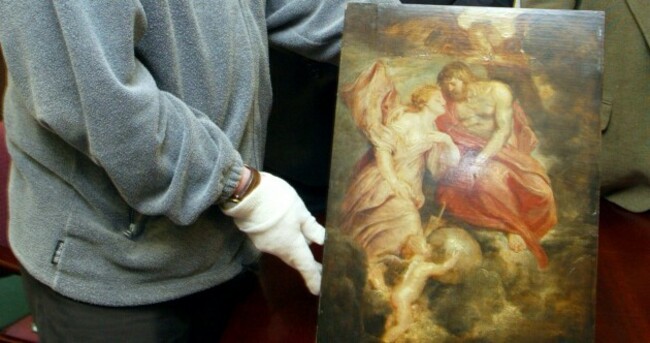
THE BOARD OF the National Gallery of Ireland (NGI) has said it has an “interest in principle” in some of the Russborough House Old Master paintings, but it cannot purchase them as it has not been given an acquisitions budget since 2010.
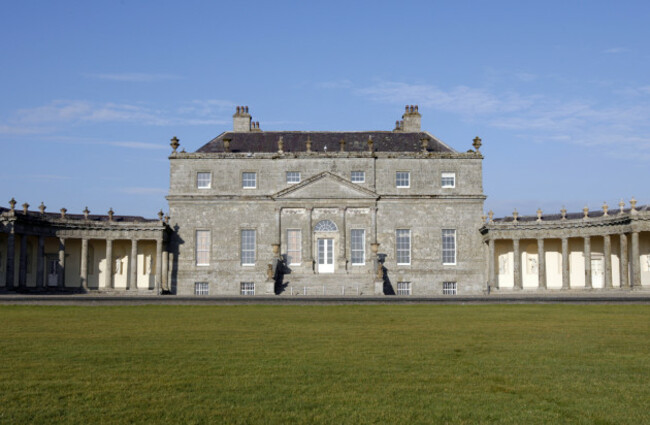
The paintings worth millions of euros are being auctioned at Christie’s in London next month to urgently raise much needed funds for the stately Wicklow house.
Masterpieces for sale
Five masterpieces, including two Rubens, were left in trust for the benefit of the Irish people by Sir Alfred and Lady Beit.
The paintings hit the headlines for other reasons in the past having been stolen in high-profile robberies.
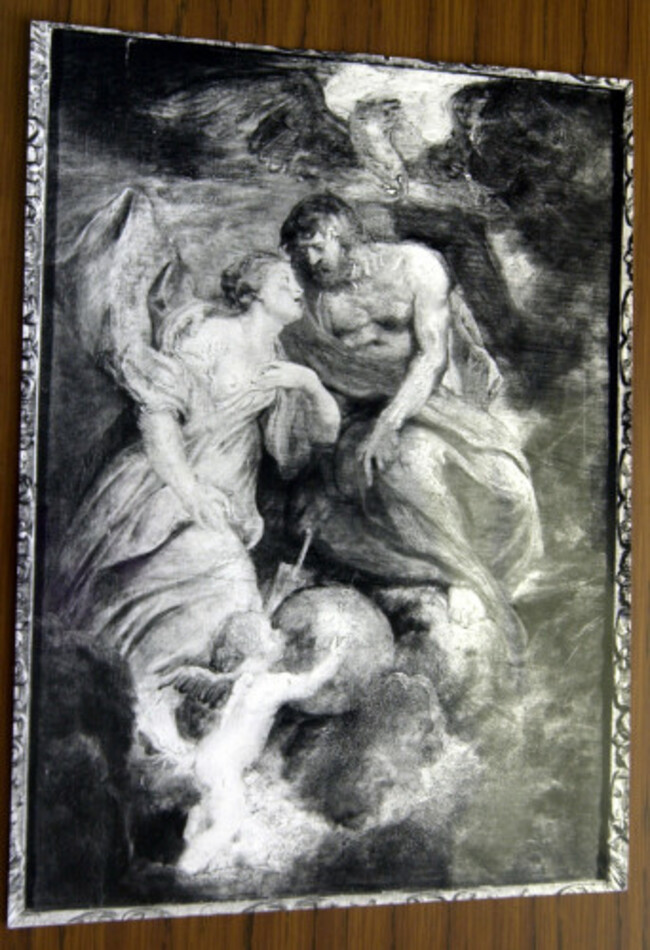
Up for auction
The paintings have been consigned to auction by the Alfred Beit Foundation, a charitable trust that owns and operates Russborough.
In a statement today, the board of the NGI said it “shares the regret of everyone interested in Irish art and Russborough” that the decision to sell off the prized artworks was deemed necessary.
It said that lessons need to be learned from the “unfortunate circumstances”.
A feature of the current interest in Russborough and the sale of its Beit paintings is that, for all expressions of concern, many strongly expressed, nobody has yet come up with funds to secure any of the works offered for sale for the Irish State.Some of these works are of interest in principle to the National Gallery of Ireland.Regrettably, however, the National Gallery of Ireland has had no budget for acquisitions since 2010.
The board stated that while the director of the NGI had the power to grant the licence for export, he did not have the power to block the export of paintings.
Tax breaks
It said that a number of mechanisms that should be looked at, such as the works being acquired for public institutions in Ireland through Section 1003 of the Taxes Consolidation Act (1997).
This scheme allows donors to reduce their tax liability by donating works to accredited public institutions.
Originally set at 100% of the works’ value, offers under the scheme have dramatically declined since the saving on tax payable was reduced to 80%.
Increasing the tax reduction back to 100% might stimulate renewed interest in using this laudable scheme.
National Lottery funding
Another source of potential funding for culture in other countries is to allocate some parts of income from national or state lotteries.
Alongside other beneficiaries in the fields of social welfare, medicine and sport, the cultural sector has benefitted enormously from lottery funding.
Might it be feasible for the Department of Arts, Heritage and the Gaeltacht to reserve some of their allocated funds from the National Lottery for the purchase of significant works of art.
The board was also critical of the current export licensing scheme, which it said is “wholly inadequate”.
Petition launched to keep paintings in Ireland
The sale of the paintings has come in for much criticism, with the Irish Arts Review setting up a petition for people to sign to save the paintings from leaving Ireland.
Other bodies to object to the sale include the Irish Georgian Society, the RDS, An Taisce, and the Irish Museums Association.
Writing a letter in The Irish Times, UCD Art History and Cultural Policy department expressed their “grave concern” over the decision to sell the important paintings.
Academics criticised that the public were not informed of this action until export licences were granted and the paintings removed from Ireland for a promotional tour, which they stated will ultimately end with their sale at Christie’s in London.
… there was no opportunity for a proper debate about the practice of selling works of art from the national cultural patrimony to pay for the maintenance and activities of a country house.
Judith Woodworth, Chair of The Alfred Beit Foundation said it is “committed to safeguarding the long term future of Russborough”.
However she said the sale of the paintings to ensure the upkeep of the stately home is an “absolute necessity”.

To embed this post, copy the code below on your site








have your say