Sign in. It’s quick, free and it’s up to you.
An account is an optional way to support the work we do. Find out more.
Sign in. It’s quick, free and it’s up to you.
An account is an optional way to support the work we do. Find out more.

CHRISTIAN LOUBOUTIN RECENTLY won the right to trademark its red heels, spurring questions about what else can be branded. Earlier this week, Cadburys managed to hold on to Pantone 2685C (a very royal purple) as a corporate trademark in the advertising of chocolate bars and drinks in the UK.
Well, actually, a lot else – sounds, shapes, symbols, and even colours can be trademarked.
Don’t confuse the term “trademark” with ownership of colour though. Trademarking a colour simply allows a company to use a particular combination and shade of colour in its own industry.
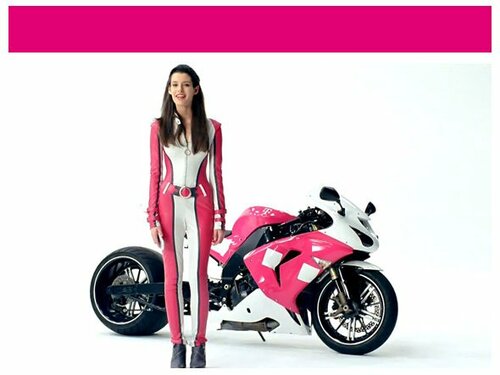
For example, when in 2008, T-Mobile threatened to sue Engadget for using “its” magenta, the tech website sort of laughed it off.
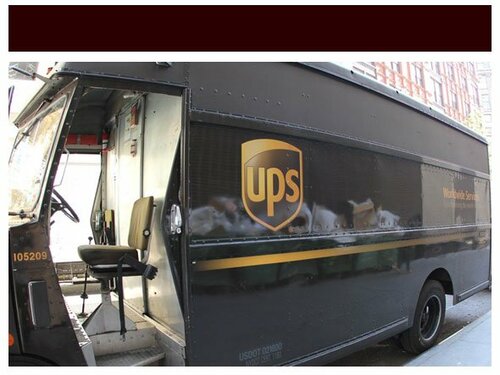
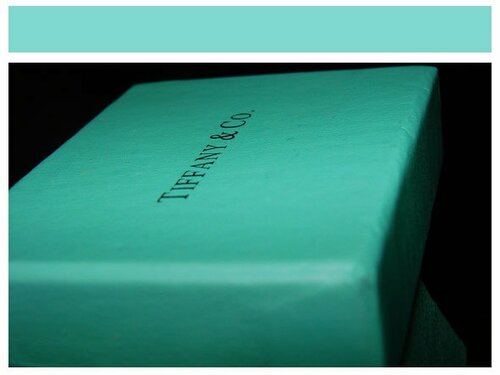
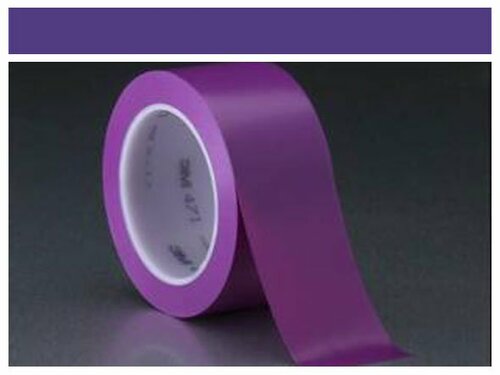
So, how far would a company go to protect its brand? The United States has one of the most competitive markets in patents and trademarks…. as these examples show:




To embed this post, copy the code below on your site















have your say