Sign in. It’s quick, free and it’s up to you.
An account is an optional way to support the work we do. Find out more.
Sign in. It’s quick, free and it’s up to you.
An account is an optional way to support the work we do. Find out more.
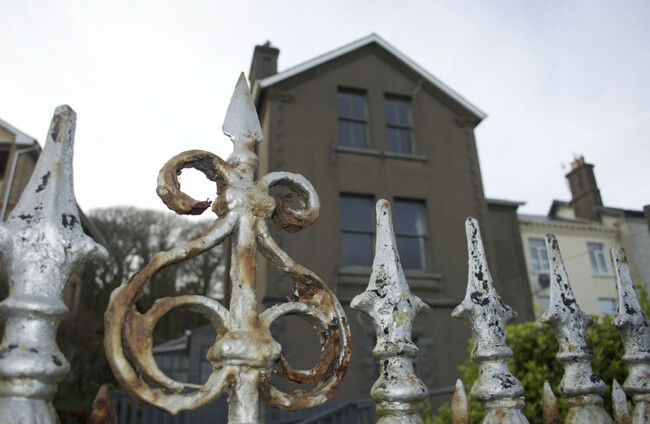
SERBIAN PHOTOGRAPHER VUKASIN Nedeljovic began documenting his time spent at a Direct Provision centre as a coping mechanism.
On a small camera he’d brought with him from his hometown of Belgrade, he started his Asylum Archive by capturing his surroundings at the Old Convent in Ballyhaunis, Co Mayo where he was placed when he arrived in Ireland in 2006.
“It was terrible being placed in a centre. You don’t know what to do. You’re not allowed to work. You’re living on €19.10 a week. You’re not allowed study.
So what did I do then? I started taking photographs.
Having built up his archive – a photographic document of every Direct Provision centre in Ireland – Nedeljovic has recently completed his work and released the Asylum Archive in print for the first time.
Born in Belgrade in 1975, Nedeljovic came of age against the backdrop of the Milošević regime. Engaged in political dissidence throughout his teens and early 20s, the atmosphere in 1990s Belgrade was oppressive.
It was terrible. It was really tough. But we had solidarity among ourselves.
Nedeljovic spent three years at the Direct Provision centre in Mayo before receiving his papers in 2009.
For the next nine years, he set about travelling around Ireland to every Direct Provision centre, photographing the interiors and exteriors of Ireland’s asylum system.
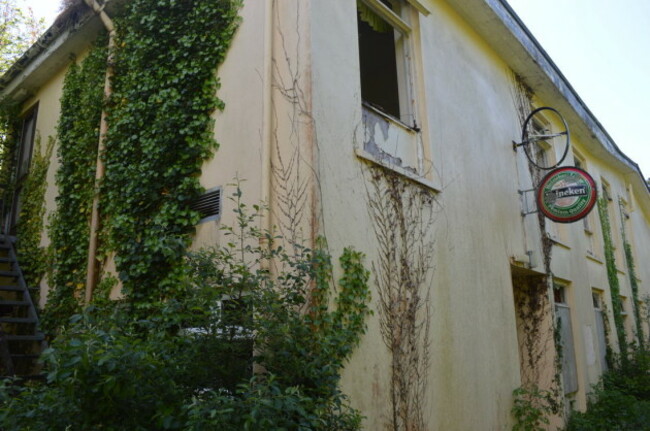
Photos collected in the recently published Asylum Archive catalogue both currently active and closed Direct Provision centres – 159 in total.
‘Raising awareness’
Some centres captured by Nedeljovic are located on greenfield sites in the countryside.
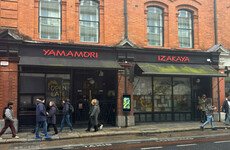
Others sit above Chinese takeaways or village pubs.
“I wanted to document that architectural confinement. I really want people to know that they are living next to these Direct Provision centres,” says Nedeljovic.
For asylum seekers living in Ireland’s 34 Direct Provision centres, most are not allowed cook and receive a weekly allowance of €21.60.
In February, the Supreme Court declared that the absolute ban on asylum seekers seeking employment was unconstitutional.
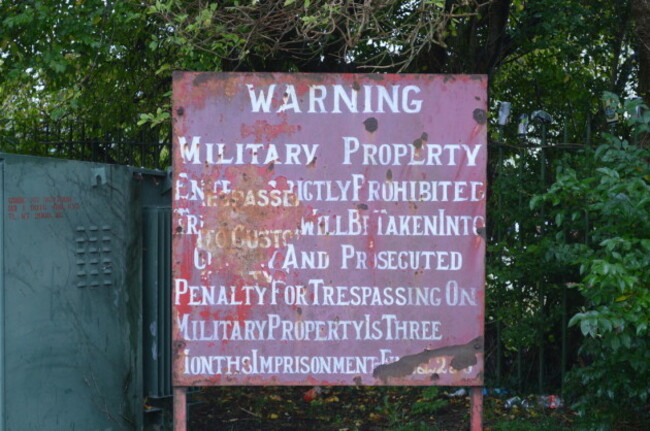
Nedeljovic says that through his archive’s publication, he hopes that people will become more aware of what is often an “invisible” issue in the country he has come to call home. And of those who have died while in the system.
It’s reminiscent of how we treated people in previous Irish incarceration.
In addition to his photographs, each centre across Ireland is mapped out by Nedeljovic, as well as objects found abandoned at centres around the country.
With his Archive Asylum now complete, Nedeljovic plans to continue his work with the Movement of Asylum Seekers in Ireland (MASI) to raise awareness of Direct Provision and those living within the system.
He hopes his printed photography will be distributed “far and wide. So we never forget”.

To embed this post, copy the code below on your site









have your say