Sign in. It’s quick, free and it’s up to you.
An account is an optional way to support the work we do. Find out more.
Sign in. It’s quick, free and it’s up to you.
An account is an optional way to support the work we do. Find out more.

MEET BART JANSEN.
He’s 36. He hails from the Netherlands. He fits solar panels on roofs for a living. He has kids.
And in his spare time, he turns dead animals into exotic remote-control vehicles.
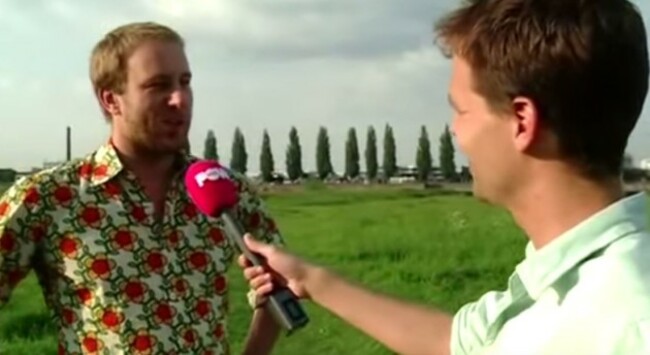
It all started in 2012, when his cat Orville got hit by a car.
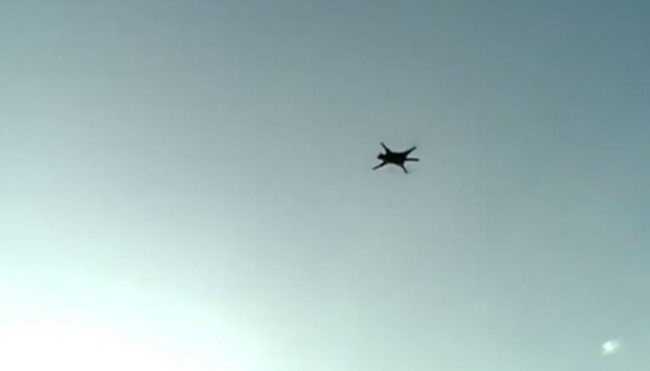
Jansen decided it would be a shame to simply bury his late feline friend, so he drew inspiration from his pet’s namesake — Orville Wright, one of the Wright Brothers, the inventors of heavier-than-air flight. Jansen gutted Orville, preserved him, and turned him into a custom quadcopter.
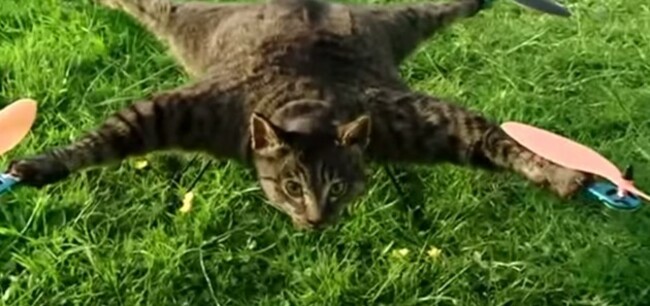
The response was huge.
Jansen had recruited the help of technical engineer Arjen Beltman to design and help fly his “half-cat, half-machine creation,” and it was covered everywhere from Mail Online to Forbes.
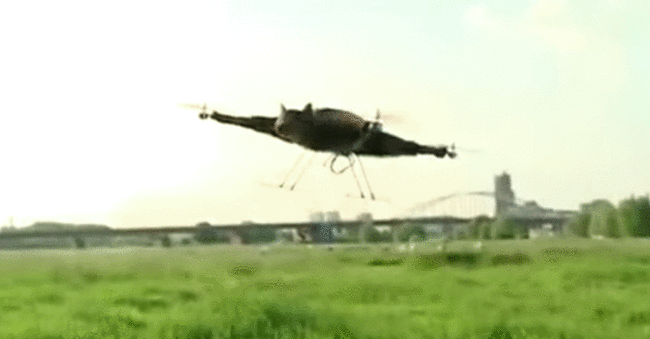
According to the Los Angeles Times, the unconventional drone caused “global outrage” after footage of it went viral.
The “Orvillecopter,” as Jansen calls it, was subsequently exhibited at the Kunstrai art festival in Amsterdam.
After that success, Jansen got more ambitious.
In 2013, his next project was again using a taxidermy animal as its base — but a far larger one. Jansen asked around local farms for a suitable animal, and one eventually got back to him with news of a recently deceased candidate: an ostrich.
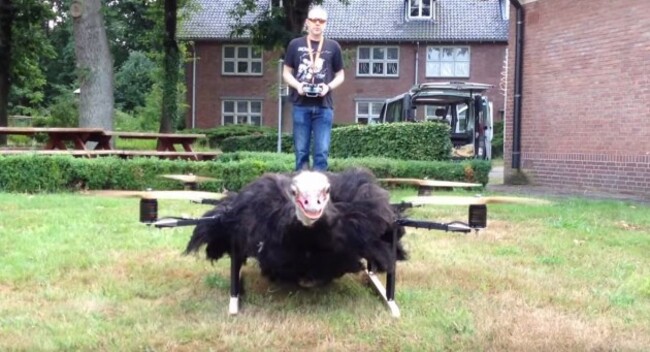
Arjen Beltman again offered his services as engineer and pilot.
“Without Arjen there are no flying animals,” Jansen said.
“I build the puppet. He does all the electronics.”
RC Technics also gave financial support to the project, according to a Wired interview Jansen gave at the time.
“Getting the shape done was the most difficult part,” Jansen told Wired.
“I looked at hundreds of pictures of live ostriches, dead ones, skinned ones to try and figure out what its body looked like. I had to then fit the skin around it and found that in some places I had too much foam and in others not enough. The skin then got a bit mildewy and I had to take it back to the taxidermist to treat it.”
There have been other projects along the way – with dead rats, sharks, and even a badger.
But now Jansen and Beltman have a new project: A “mancopter.”
He explains:
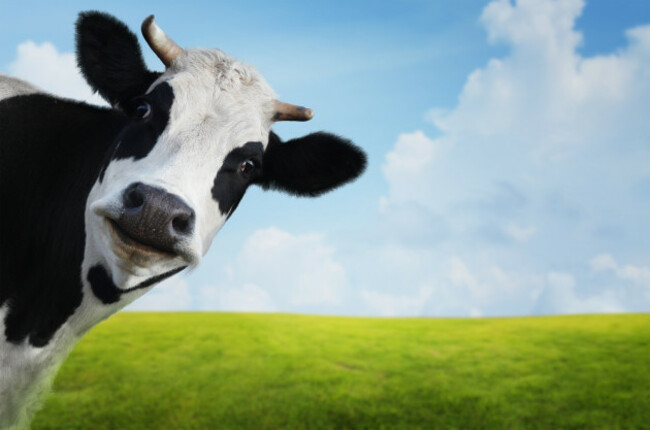
“We’re still deciding on which shape our mancopter will have. Trying to build a flying motorcycle was one of the ideas, but that one is already been thought of by a different group of inventors. So we figured it be better to stick with what we know and build a one-person multicopter in the shape of an animal.”
What animal?
Jansen, again:
“A cow could fit a person. So a cow is one of the options. That means we’d be using a cow indeed. Or any other animal we can lay our hands on that fits a person, but again, it’s in a very early state of development, all still in our minds.”
There’s been huge media attention in his projects to date, but it has yet to translate into a commercial success story.
A €100,000 offer for the Orvillecopter in 2012 never materialised.
He told Business Insider he would be “happy to sell” the projects, but no one wants to buy them.
“We do TV shows, live shows and performances, that pay for the new projects,” Jansen said.
He also has a new plan for revenue up his sleeve:
“We will start merchandising in a few weeks. People may not buy the Orvillecopter, but they might like a fridge magnet of it …”
Rob Price for Business Insider

To embed this post, copy the code below on your site













have your say