Sign in. It’s quick, free and it’s up to you.
An account is an optional way to support the work we do. Find out more.
Sign in. It’s quick, free and it’s up to you.
An account is an optional way to support the work we do. Find out more.

LAST UPDATE | 22 Mar 2023
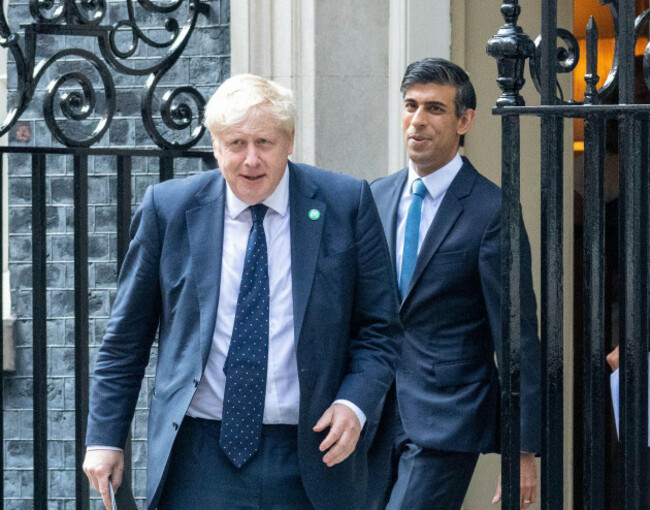
THE HOUSE OF Commons has voted emphatically to back regulations underpinning PM Rishi Sunak’s Brexit deal but there were a number of high-profile Tory rebels.
Today’s vote to implement the ‘Stormont brake’ section of the Windsor Framework was passed by 515 to 29, a majority of 486.
Former prime ministers Boris Johnson and Liz Truss were among those who had signalled they would vote against the deal, with the DUP’s 8 MPs also opposed.
DUP leader Jeffrey Donaldson had confirmed his party would not support the deal, adding this afternoon that it did feel enough progress had been made to return to government in Stormont.
Despite the hardline opposition, the vast majority of Conservative MPs supported the vote and, with the Labour party also doing so, there was never any risk of it being defeated.
In a statement earlier, Johnson said: “The proposed arrangements would mean either that Northern Ireland remained captured by the EU legal order – and was increasingly divergent from the rest of the UK – or they would mean that the whole of the UK was unable properly to diverge and take advantage of Brexit.”
Johnson had been giving evidence to the Commons committee investigating his statements over Partygate when the Commons bell rang to vote on the deal.
A source close to Truss said that she does not believe the Windsor pact does not “satisfactorily resolve the issues thrown up by” the Northern Ireland Protocol.
Other Tories who spoke out against the deal include former home secretary Priti Patel and former Conservative Party leader Iain Duncan Smith.
The SDLP has confirmed that it would support the framework, though it was previously on the fence.
“The party has raised serious concerns about elements of the deal and the impact it may have on the investment prospectus provided by unique access to the EU single market and the UK internal market,” it said in a statement today.
“The SDLP has decided, however, that the balance of the deal which creates a clear path toward the restoration of devolution should be supported in the interests of people, communities and businesses in Northern Ireland.”
A UK Government source said this is “the best deal for Northern Ireland which ensures the smooth flow of internal UK trade, safeguards NI’s place in the Union and addresses the democratic deficit”.
“In negotiations the PM secured significant concessions, with this deal going well beyond what had been on the table before. It goes much further than the Northern Ireland Protocol Bill and fixes the problems with the old protocol.
“Without the Windsor Framework, the legal default in domestic and international law is automatic alignment to EU standards and rules with no say in Northern Ireland.”
DUP
While the DUP is not in a position to block the Stormont brake, their opposition suggests that an early return to power-sharing at Stormont is highly unlikely.
Donaldson effectively confirmed this afternoon that they party would not be ending its boycott of Stormont, tweeting:
“I have consistently indicated that fundamental problems remain, notwithstanding progress made.”
Consequently there is not a sustainable basis at this stage to enable us to restore Stormont. We will vote against the proposal today and continue to engage with the Government to secure clarification, reworking and change. Our consultation also continues and we are giving people and businesses the opportunity to have their voice heard.
The Executive and Assembly have been suspended since the DUP walked out last year in protest at the way the protocol was operating, saying it weakened Northern Ireland’s position in the UK.

To embed this post, copy the code below on your site














have your say