Sign in. It’s quick, free and it’s up to you.
An account is an optional way to support the work we do. Find out more.
Sign in. It’s quick, free and it’s up to you.
An account is an optional way to support the work we do. Find out more.
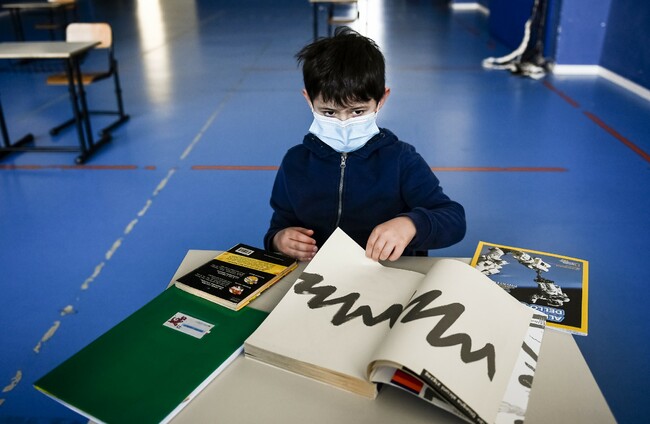
THE HSE HAS advised that if a child has been tested for Covid-19, that child’s family should restrict their movements until the results of the test come back.
Restricting your movements means avoiding contact with other people as much as possible; ie, working from home, avoiding public transport and shops, and not having visitors to your home.
Where possible, it’s advised that family or friends drop groceries off at the house. Exercise is still allowed, but a 2-metre distance from others must be maintained.
The average turnaround time for a Covid-19 test is now 2-3 days, meaning this advice could cause significant disruption to families during the academic year.
Advice on how to manage cases and contacts in a school setting was published on the Health Protection Surveillance Centre today.
This advice says:
…If a child is sent for a test (suspected case) the whole house should restrict movements until the result is known.
Children or teachers in the child’s pod in school/childcare facility generally do not need to restrict movements unless the index child tests positive for Covid-19 or unless it is deemed necessary by Public Health Risk Assessment.
It’s also been clarified that if a child attending school is tested for Covid-19, that all children in that child’s pod, or grouping, will not necessarily be automatically tested.
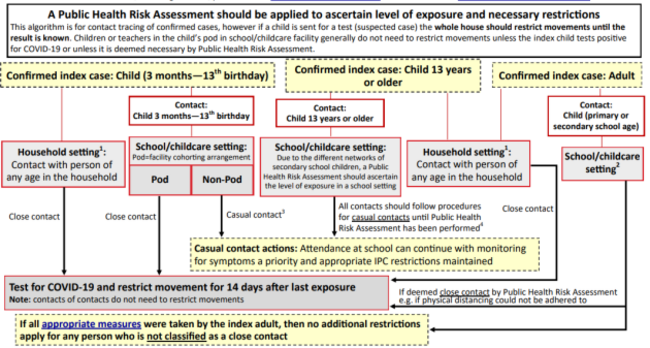
If a child aged between 3 months and their 13th birthday is confirmed to have Covid-19, then that child’s pod will be tested for Covid-19 and told to restrict their movements for 14 days since they were last exposed to the confirmed Covid-19 case.
Students who aren’t in the same pod are considered ‘casual contacts’; they will not be tested, and can continue to attend school.
If a child aged 13 years old or older is confirmed to have Covid-19, a public health risk assessment will decide the possible exposure in the school and the next steps.
Students who are close contacts of this case can continue to attend school while monitoring symptoms and maintaining infection prevention and control measures.
Speaking on RTÉ’s Morning Ireland today, Chief Clinical Officer at the HSE Dr Colm Henry said that in most cases where children contract Covid-19, they experience mild symptoms or are asymptomatic.
Only 5% of all Covid-19 cases are in children, according to the European Centre for Disease Control, whereas people aged under 18 make up 25% of the population.
“Child-to-child transmission is unusual in school settings,” he said.
Dr Henry said that in cases where there is a confirmed case in a school, public health experts will analyse the layout of the school, the number of close contacts, and how the school is behaving in adhering to infection prevention control.
“There is a set of principles applied which allows for identification of close contacts, which is different in every school and education setting,” he said.

To embed this post, copy the code below on your site












have your say