Sign in. It’s quick, free and it’s up to you.
An account is an optional way to support the work we do. Find out more.
Sign in. It’s quick, free and it’s up to you.
An account is an optional way to support the work we do. Find out more.

MILK PRODUCER DAIRYGOLD will add 115 jobs over the next six years in its two Cork processing plants as farmers massively boost their output for the uncapped market.
The dairy co-operative has sunk €117 million into the operations so it can ramp up production when the EU dairy-quota system ends next year.
The industry, which is worth about €3 billion a year in exports, is predicting thousands of extra jobs as it targets an Ireland-wide increase of 50% in milk supplied.
Taoiseach Enda Kenny today laid the foundation stone for the company’s redevelopment of its Mallow site and then travelled to the official opening of its Mitchelstown plant upgrade.
More jobs in Cork
Dairygold expects to take on 115 full-time staff across its operations by 2020 on top of the estimated 400 temporary construction jobs the projects will create at the peak of building activity.
The government backed the projects through Enterprise Ireland, although the organisation would not reveal how much it gave Dairygold for the construction.
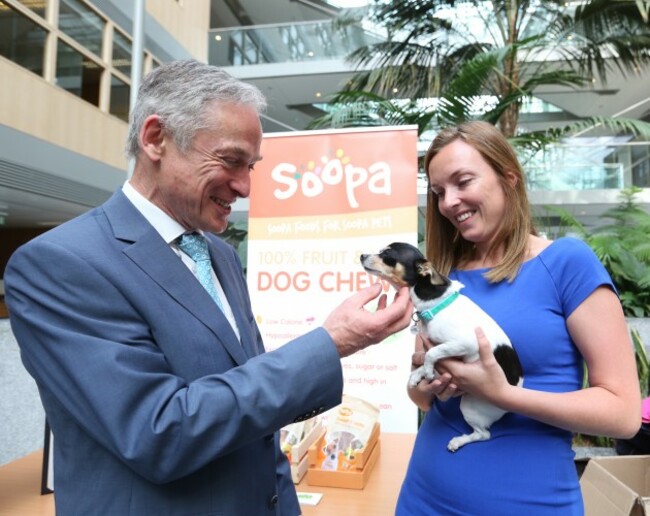
Minister for Jobs, Enterprise and Innovation Richard Bruton, who accompanied Kenny for the events, said the jobs boost in Cork was “hugely welcome” and an economic impact study showed Dairygold’s growth would support another 1,000 positions in the wider economy over the next five years.
“These are real, much-needed jobs in a rural area, which will provide opportunities for young people who want to get involved in farming and live in their local area,” he said.
Dairygold processes about 20% of Ireland’s milk and is the country’s biggest farmer-owned dairy co-operative.
No more quotas means lots more milk
The announcement comes ahead of the EU ditching its dairy-quota system in 2015 after more than 30 years of the scheme.
Irish dairy production was capped under the regulations and any farmers who made more than their allocation were effectively taxed on the extra produce.
Analysts have predicted dropping the quota will lead to a flood of extra dairy products on the market and lower prices for consumers, although it is also expected to cut the amount producers are paid per litre.
Dairygold has predicted its 3,000 suppliers will produce 60% more milk by 2020 – an extra 600 million litres each year.
Chief executive Jim Woulfe said the company had a “modular expansion plan” for its processing plants to soak up the extra demand and Dairygold expected to invest more in the Mallow site in the future.
READ: Economists are predicting that cheese mountains could become a reality

To embed this post, copy the code below on your site









have your say