Sign in. It’s quick, free and it’s up to you.
An account is an optional way to support the work we do. Find out more.
Sign in. It’s quick, free and it’s up to you.
An account is an optional way to support the work we do. Find out more.
CABINET HAS GIVEN its approval to publish recommendations for reforming Ireland’s defamation laws, with new amending legislation to be proposed “at the earliest opportunity” this year.
Ireland’s defamation laws have been roundly criticised in recent years as “draconian”, and leading to a situation where media freedom is constrained due to fears of legal action taken against cash-strapped media outlets.
European Commissioner for Justice Didier Reynders told an Oireachtas committee last year that “frequent defamation legal cases, high cost of defence and high damage awards by Irish courts are seen as an inducement to self-censorship”.
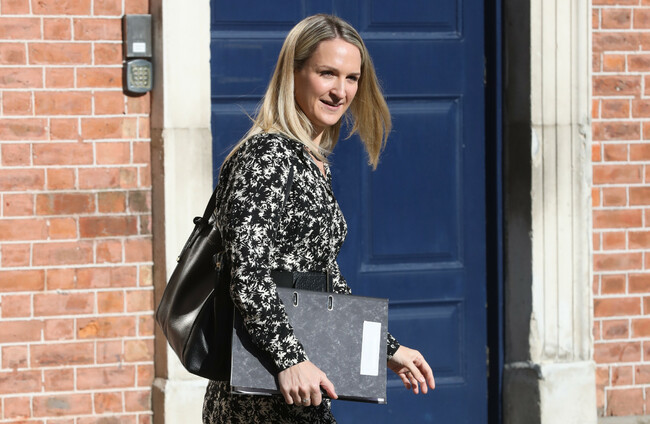
Today, Minister for Justice Helen McEntee received approval from Cabinet to publish findings of a wide-ranging review carried out by her Department of Ireland’s defamation laws, including recommendations on what areas should change.
The general aim of McEntee’s proposals, arising from the review, include:
McEntee will now begin the preparation of the General Scheme of a Defamation (Amendment), and consult “in detail” with the Office of the Attorney General.
Among the main concerns raised in submissions given by the media, academics, the legal profession, social media companies, NGOs, and relevant State bodies as part of the review were: the “very high levels of damages” awarded in some defamation cases, seen as “disproportionate” to levels of awards for serious personal injuries, and to defamation awards in other common law jurisdictions; and the risk of these factors having a ‘chilling effect’ on public interest reporting and investigative journalism.
High legal costs, and the scope for delays in defamation cases, and the need for quicker, more accessible and more effective redress and resolution mechanisms, particularly in cases of online defamation were also raised.
McEntee’s Department said the review’s key recommendations aim to: “avoid disproportionate awards”, and support more proportionate redress; ensure that an individual whose good reputation is unfairly attacked can avail of quicker redress; provide “clearer protection for responsible public interest journalism and investigative reporting”; “significantly reduce unnecessary legal costs and delays, for all concerned”; increase the use of ADR, and of prompt correction and apology where mistakes are made; and introduce new measures to combat abuse.
Minister McEntee said today’s decisions are a commitment in her Justice Plan 2021 to “review and reform defamation laws to ensure a balanced approach to the right to freedom of expression, the right to protection of good name and reputation, and the right of access to justice”.
Minister McEntee added: “We should vindicate both the individual’s right to their good name and privacy; and the right of others to freedom of expression, taking account of the vital role played in our democracy by a free and independent media, and by other civil society actors, in providing information and debate on matters of public interest.”

To embed this post, copy the code below on your site












have your say