Sign in. It’s quick, free and it’s up to you.
An account is an optional way to support the work we do. Find out more.
Sign in. It’s quick, free and it’s up to you.
An account is an optional way to support the work we do. Find out more.
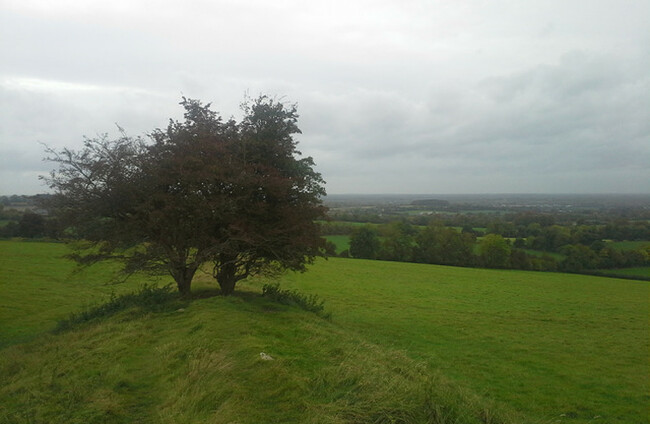
HAWTHORN TREES ARE a relatively common sight around the country. But some are more distinctive than others.
Two trees on the Hill of Tara in Meath, for example, are festooned with objects. Strips of fabric, beads, even a number of baby dodies.
They’re known as fairy trees. So what is the connection to mythology? And why these trees in particular?
Visitors leave items on the tree as they make a prayer or a wish. They might ask for healing, for the return of a loved one or animal – for something that they want to happen.
Where did this mythology stem from and how did the hawthorn of Ireland acquire this magical identity?
According to Ireland’s Wildlife, hawthorn trees are “steeped in legend and folklore” thanks in part to the time when their flowers bloom in the spring – which coincides with Bealtaine, a festival linked to ancient Irish tradition, and particularly fairy folklore.
It is also said that when a hawthorn grows in close proximity to both oak and ash trees, fairies are found.
The folklore surrounding Ireland’s fairy trees is taken seriously. As well as being a place where visitors impart their wishes, another function of the fairy tree is to protect and encourage the well-being of the surrounding hedgerows.
The travel blog What Boundaries mentions that several “legends claim bad luck will befall anyone who cuts down the fairy tree.”
No matter the time of year, the fairy trees on the Hill of Tara will have the evidence of hundreds of prayers and wishes, tied to the tree blowing in the breeze. Each symbolising someone’s continuing faith in Celtic mythology that is thousands of years old.
To embed this post, copy the code below on your site





have your say