Sign in. It’s quick, free and it’s up to you.
An account is an optional way to support the work we do. Find out more.
Sign in. It’s quick, free and it’s up to you.
An account is an optional way to support the work we do. Find out more.
IRELAND’S REPUTATION OF being a nation of drunks (however unfair that may be) goes back centuries and though it might not make it into the school books, criminal inebriation has its own place in our history.
It is not widely known but back in the early 20th century, there were specialist institutions within the prison system to hold people who had been convicted of drunkenness and related offences.
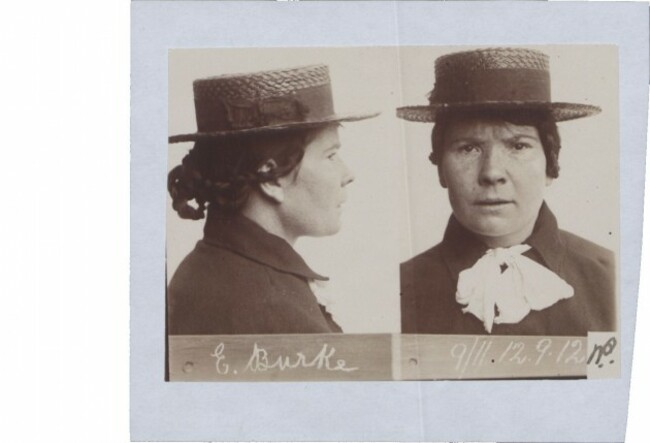
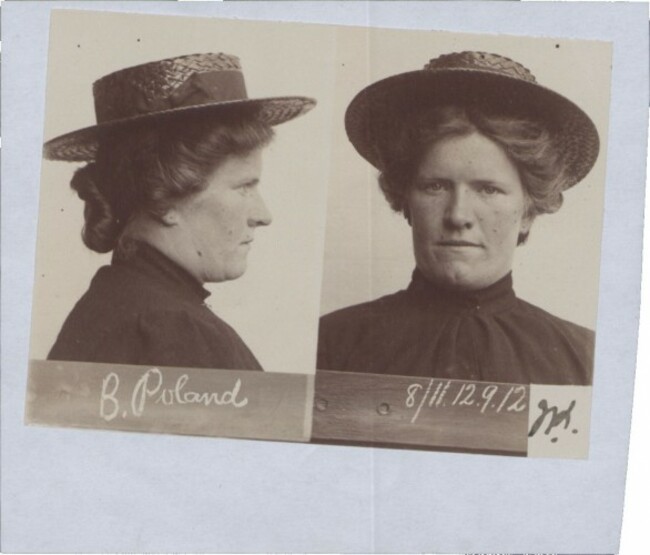
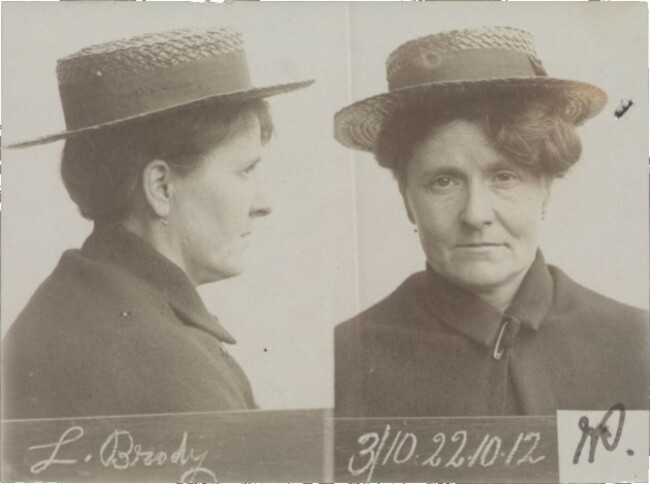
The largest was the national reformatory in Ennis and nearly two thirds of its inmates were women.
Dr Conor Reidy, who is a history lecturer at the University of Limerick and has done a vast amount of research on these institutions, said he noted figures showed far more men than women were convicted of drunkenness but far more women were locked up for it. Judges tended to be harsher on women because drunkenness was something that was expected of men, he said.
“Mothers were seen as bearers of children and therefore expected to have higher standards,” Reidy explained. “Female drunkenness was a scandal because it challenged people’s ideas on motherhood and femininity.”
When these women went to court, they would be given a much harder time by the judge and the witnesses. In lots of cases mothers were charged with child neglect, ill treatment, and they would be treated very poorly by the judge, condemned and basically humiliated.
Though it does appear the intentions were noble in the case of the Ennis reformatory and the two smaller institutions which were run by religious groups, they were not very successful in helping the women stay sober.
Several slipped back into alcoholism as soon as they were released and there were even reports of women arriving back home on trains from Ennis already drunk by the time they reached Dublin to rejoin their families.
“There were no scientific or medical interventions at all to help people come off the drink or stay off the drink, or for the side effects of going off it,” Reidy says.
In his book, Criminal Irish Drunkards, Reidy tells the stories of a number of the women who spent time in Ennis.
According to Reidy, in many cases, details about the things that may have contributed to the women’s alcoholism often only emerged after their time at the Ennis reformatory.
After they were released, records on how they were doing were kept for up to five years and they would have to check in with a discharge officer to show that they were leading sober lives.
“They might show up with a black eye one time and it’s only then that it is noticed by somebody in officialdom that her husband beats her,” Reidy said.
At a time when working class families were large, it was not unusual for a number of a mother’s children to have died. Registries for the women at the time show many of the inmates at the reformatory had lost multiple children and there were no supports in society to help mothers cope with this devastating loss.
Factors like depression after the death of a baby or domestic abuse were not taken into consideration in the courts when a woman was convicted; they would not have even been mentioned in front of the judge.
Reidy said this was part of the patriarchal society the women lived in at the time where things like this were not discussed.
By the 1920s, reformatories for Irish citizens convicted of criminal drunkenness had closed down.
Though these women represent a dark part of Ireland’s history, their stories give a fascinating insight into how the State, at that time, dealt with a problem that still plagues modern Ireland.

To embed this post, copy the code below on your site













have your say