Sign in. It’s quick, free and it’s up to you.
An account is an optional way to support the work we do. Find out more.
Sign in. It’s quick, free and it’s up to you.
An account is an optional way to support the work we do. Find out more.
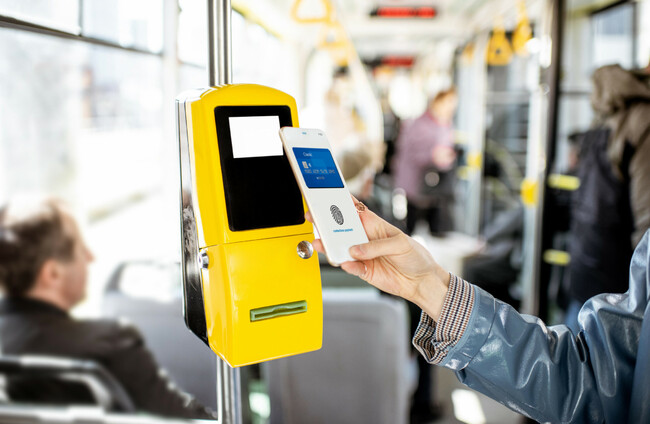
DEBIT CARD PAYMENTS on buses could be in place late next year after it was confirmed that the National Transport Authority (NTA) had launched a tendering process for the new system.
The new system would “dynamically update” so that the fare charged to the customer would depend on the frequency of use, as is the case with some services with the Leap Card.
Stakeholders were providing an update to the Oireachtas Transport Committee this afternoon on the transport strategy for the Dublin area.
Speaking to TDs and Senators, Dublin Bus CEO Ray Coyne said he expects the new system to be in place “at the latter end of 2023″ depending on the results of the tendering process.
Digital payment options that would allow passengers to pay with contactless bank cards, smartphones and QR codes have been mooted for some time, with Ireland lagging behind some other countries that have introduced such systems.
The NTA said last year that 2023 or 2024 would be a “likely timeline” for the new system but that this was an estimate.
Speaking today, Coyne said the tendering process for the “next generation ticket” project had now commenced.
He added that it would also account for the weekly and daily caps on charges that apply to the Leap Card system:
It depends what the NTA request but you can pay with your bank card, Garmin Pay, Apple Watch, it could be your phone.It dynamically updates, so if you just did one journey and it’s a €1 fare it will charge you a euro, if you did 20 journeys and it’s going to be €2 or whatever it’ll charge you that after the event, it will always give you the cheapest fare.They’ve started the tender process so that’s commenced, 2023-24 you’ll see it rolled out on buses.
It has previously been suggested that the “next generation ticketing” system would move to cashless payments by 2027 but Coyne also said today that any move to make public transport fully cashless would be a decision to be taken by government.
“In terms of cash versus cashless, it’s tipping into 90% cashless, which is great. It will be a government, political decision to go cashless and that’s what we’ve see in other jurisdictions,” he said.
You might get it down to about 2% through heavily discounting cashless and ramping up. That then becomes a political decision, some people don’t have the money to have credit in a Leap Card or they only want to do a journey twice a year or something.
Coyne said if cashless travel was a goal for government then a decision “would have to be made very quickly”.
He added, however, that while it would save Dublin Bus some money it would “not be significant”.

To embed this post, copy the code below on your site















have your say