Sign in. It’s quick, free and it’s up to you.
An account is an optional way to support the work we do. Find out more.
Sign in. It’s quick, free and it’s up to you.
An account is an optional way to support the work we do. Find out more.

IRISH PEOPLE STOPPED paying their mortgages in their droves after a court ruling blocked the banks from repossessing their homes, according to a Central Bank paper.
The ‘economic letter’, by economist Terry O’Malley, refers to the July 2011 ‘Dunne Judgement’ (Start Mortgages v Gunn, which can be read here) in the High Court, which ruled that the banks couldn’t evict people from their homes until new legislation on the matter was introduced.
“I find that borrowers did in fact default more than they otherwise would have, if the repossession regime at the time had been legally upheld,” O’Malley says in his paper.
The paper discusses the issue of ‘moral hazard’ – that is, trading off the benefits of less repossessions against the problem of people feeling free from repayment obligations because the threat of foreclosure no longer exists.
“Drivers might be more willing to take risks on the road when they know their car is insured against damage,” O’Malley says.
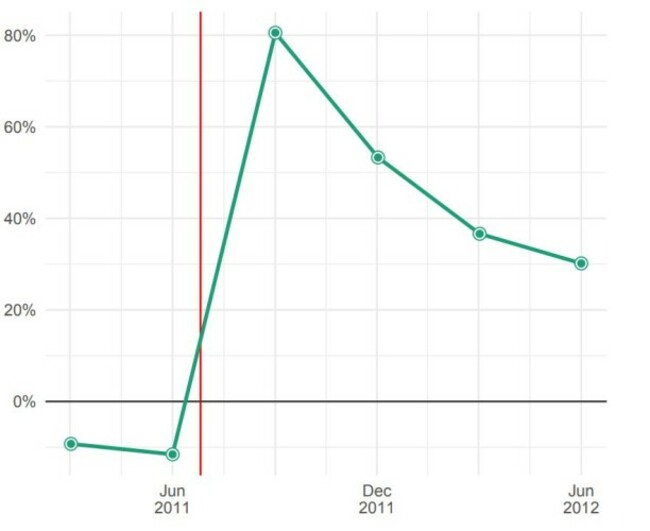
Comparing the rates of default both before and after the landmark decision of Justice Elizabeth Dunne, O’Malley concludes that the rates seen after the judgement were 0.5% higher in each quarter for a year afterwards.
However, the economist does clarify in his conclusions that ‘only borrowers with the most to lose from continuing to pay default after repossession risk is removed’ – and that ‘strategic default’ (ie a borrower not paying even when they have the capacity to do so) is not common among Irish mortgage-holders.
You can read the O’Malley economic letter here

To embed this post, copy the code below on your site












have your say