Sign in. It’s quick, free and it’s up to you.
An account is an optional way to support the work we do. Find out more.
Sign in. It’s quick, free and it’s up to you.
An account is an optional way to support the work we do. Find out more.

ELIAN GONZALEZ, WHO at age six sparked an international custody battle that ended in his dramatic return to Cuba, has blamed a US law for his mother’s death in a new interview published today.
In November 1999, Gonzalez was plucked from the sea off Florida’s coast after an overcrowded motorboat capsized en route from Cuba, killing his mother and 10 others seeking to enter the United States illegally.
His Florida relatives fought to keep him in the United States, but his father demanded he be returned.
The event culminated on June 30, 2000, when heavily-armed US agents broke into the Miami home of Gonzalez’s uncle on orders of then-US attorney-general Janet Reno to return the boy to Cuba.
“They were very sad moments for me, which marked me for life,” Gonzalez said today in an interview with the local weekly Giron and published on the cubadebate.cu web site.
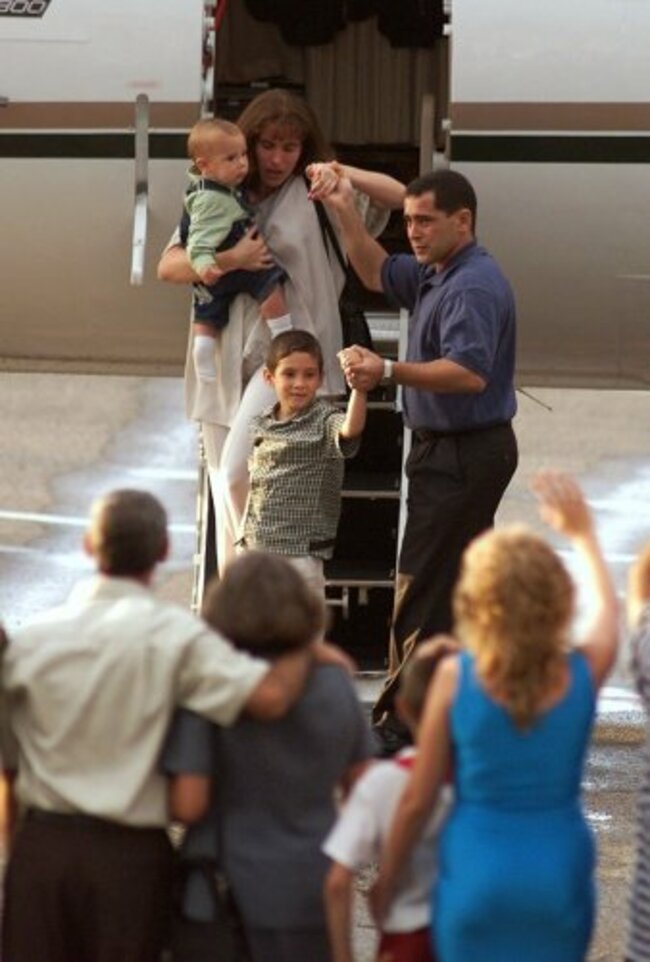
Elian returns to Havana’s Jose Marti International Airport with his father in June 2000 (AP Photo/Ricardo Mazalan/File)
“It never gave me the chance to think of my mother, who died in the sea as a result of the Cuban Adjustment Act” he said, referring to a 1966 US law that says any Cuban who reaches the United States by any means will be allowed to stay and work.
Havana has called the law “murderous” and blamed it for encouraging people to board rickety boats to cross the Florida straits in the hopes of reaching the US coast — a process that has left thousands dead.
Reflecting on the events after he reached Miami, Gonzalez, who turns 20 in December, said he “suffered the consequences of the Act.”
He said his basic rights as a child — “the right to be with my father, the right to maintain my nationality and remain in my cultural context” — were also violated until he was finally returned to his father by court order.
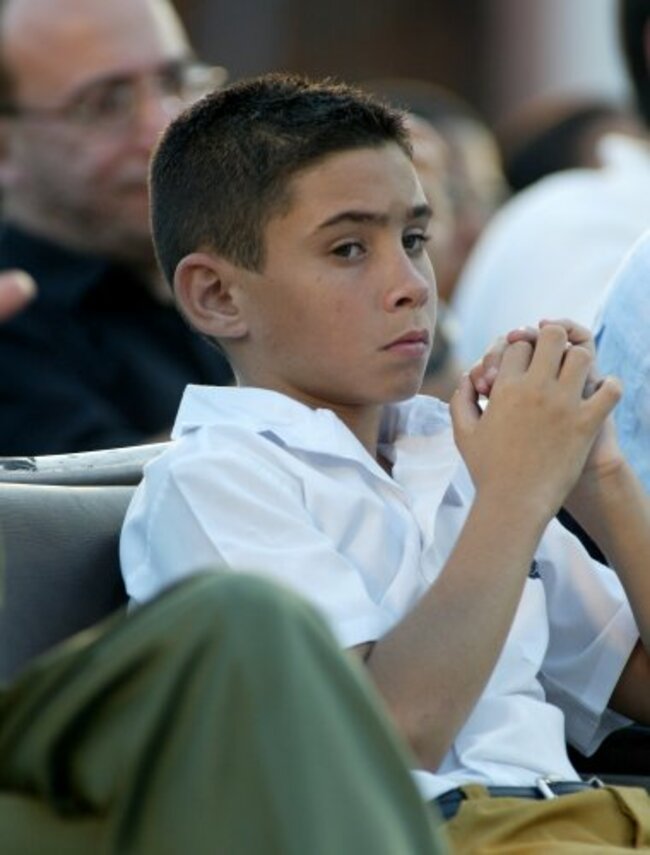
Elian wearing his school uniform at a political event in December 2000 in Cuba. (AP Photo/Jorge Rey).
But he emphasised “our struggle is not against the American people, it is against their government. He said:
From the moment Americans knew of my case, they took to the streets to call for me to be sent back to my country.
Elian’s return to Cuba was a huge boon to then-leader Fidel Castro, as illegal emigration is an embarrassing everyday reality in the only one-party communist state in the Americas.

To embed this post, copy the code below on your site














have your say