Sign in. It’s quick, free and it’s up to you.
An account is an optional way to support the work we do. Find out more.
Sign in. It’s quick, free and it’s up to you.
An account is an optional way to support the work we do. Find out more.
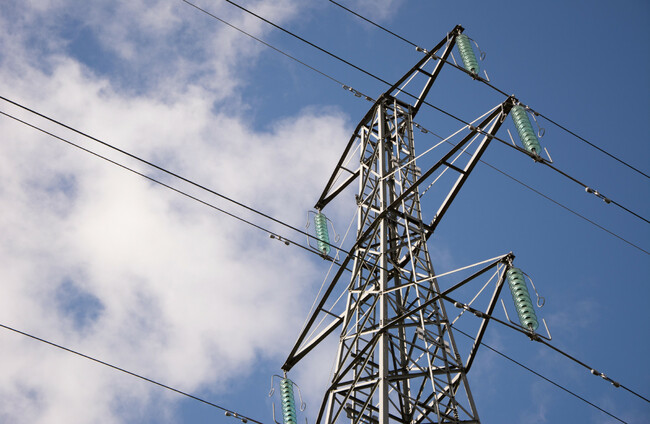
THE NATIONAL ENERGY grid is expected to face a shortfall in demand compared to supply this winter but at a much lower rate than recent years.
EirGrid has released its annual ‘Winter Outlook’ for the coming months, detailing that the system is expected to be put under alert at times of insufficient energy levels to match demand.
The number of hours that energy generation will likely fall short of demand — known as the Loss of Load Expectation (LOLE) — is 21 hours from the end of October to the end of March.
That is significantly reduced from the figure of 51 hours last winter but still remains beyond the set standard of eight hours per year.
“This means the system will operate at a higher level of risk than is set by the Commission for Regulation of Utilities,” EirGrid has stated.
“There is an expectation that the system will enter the Alert State at times, most likely at periods of low wind and low interconnector imports. There is a reasonable probability of the system entering the Emergency State at times, due to insufficient generation being available to meet the demand.”
Despite the probability of alerts, there is “no risk of a system-wide ‘blackout’ (a total loss of control of the electricity system) solely due to insufficient generation under any circumstances this winter”, the grid operator has said.
“Other conditions would have to be present or multiple and significant failures occur to cause a system-wide blackout.”
“A key assumption underpinning the winter outlook analysis, based on best information available at the time of writing, is that there will be uninterrupted reserves of natural gas from both the Moffat terminal and the Corrib gas field, with no shortage issues.”
Emergency protocols are in place in the event of supply outages that would require large energy users — typically data centres — to quickly reduce their energy usage to mitigate the impact on homes and businesses.

To embed this post, copy the code below on your site













have your say