Sign in. It’s quick, free and it’s up to you.
An account is an optional way to support the work we do. Find out more.
Sign in. It’s quick, free and it’s up to you.
An account is an optional way to support the work we do. Find out more.
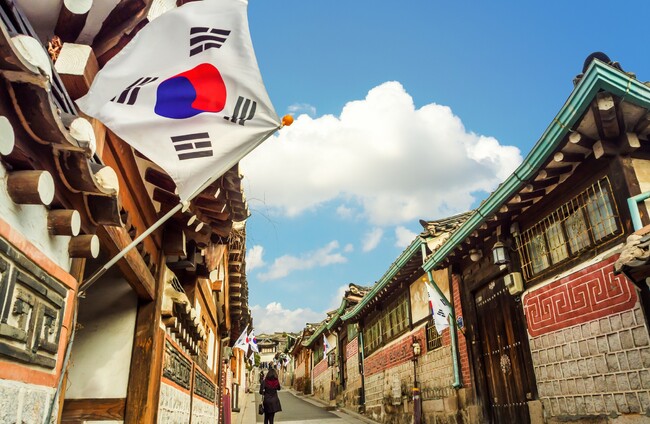
EVERY WEEK, WE bring you a round-up of the best longreads of the past seven days in Sitdown Sunday.
For the next few weeks, we’ll be bringing you an evening longread to enjoy which will help you to escape the news cycle.
We’ll be keeping an eye on new longreads and digging back into the archives for some classics.
In South Korea, a new community of people has developed around isolation from others. While it has been deemed as socially unacceptable, new sections of the economy have begun to flourish through marketing to this community, known as honjok.
People joining the honjok community has increased in the past decade, with the smartphone revolution and an increase in websites promoting the lifestyle. With businesses like cinemas, bars, restaurants and shops catering for this lifestyle, being a honjok in South Korea is becoming more and more possible.
(Rest of world, approx 16 minute reading time)
“The criticisms kept building up,” she says, until she reached the point where she didn’t think she could take it anymore. For 26-year-old Hye-min, as for many young South Koreans, life choices feel forced and fixed — and not like actual choices at all. Many feel so beaten down by the rigid social and professional demands of their country that they refer to it as “Hell Joseon,” a play on Korea’s old dynastic name. The path is especially bleak for young women, who must contend with the nation’s deeply rooted misogyny. Deviation from the mainstream is widely viewed as disobedient, and sometimes, in the eyes of older generations, even unpatriotic.

To embed this post, copy the code below on your site














have your say