Sign in. It’s quick, free and it’s up to you.
An account is an optional way to support the work we do. Find out more.
Sign in. It’s quick, free and it’s up to you.
An account is an optional way to support the work we do. Find out more.
EVERY WEEK, WE bring you a round-up of the best longreads of the past seven days in Sitdown Sunday.
Now, every evening, we bring you an evening longread to enjoy which will help you to escape the news cycle.
We’ll be keeping an eye on new longreads and digging back into the archives for some classics.
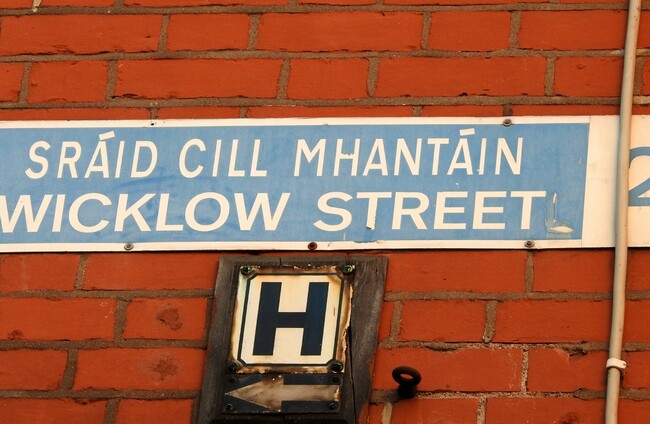
No matter where you live in the country, there’s something in this article for you. It’s about how in Dublin you might see two or three different street signs on the same street – but in telling the story of why, we get a look at the history of Ireland, and how we use the Irish language.
(Dublin Inquirer, approx 10 mins reading time)
He found that the first bilingual street signs, in English and Irish, were brought in earlier than Irish independence in 1922 — starting in Blackrock township, when the council there rolled out yellow and black bilingual street signs as part of the Gaelic revival movement as far back as 1901. In Dublin city, an increasingly nationalist council, went for green and white in defiance of the British authorities. “It is classic non-violent, civil disobedience,” he says.

To embed this post, copy the code below on your site














have your say