Sign in. It’s quick, free and it’s up to you.
An account is an optional way to support the work we do. Find out more.
Sign in. It’s quick, free and it’s up to you.
An account is an optional way to support the work we do. Find out more.
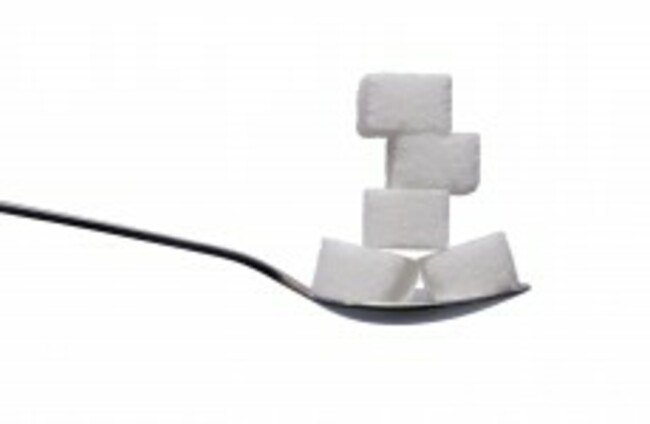
AS PART OF its campaign against childhood obesity, Safefood has revealed research findings to discourage parents from giving their children fruit juices and cordials.
A recent label survey into the sugar levels of a wide selection of popular drinks for children showed that many juices and cordial had as much – if not more – sugar than ‘fizzy drinks’.
A 200ml Capri Sun Apple and Blackcurrant juice drink matched Coca-Cola, Pepsi and 7Up in terms of sugar content.
Some popular supermarket brands of cordials and dilutes had even higher sugar levels, with as much as five cubes of sugar in a small glass.
“Many parents may be under the impression that juice drinks that mention the term ‘fruit’ are a healthier alternative for their children than fizzy drinks,” said Dr Cliodhna Foley-Nolan, director of human health and nutrition. “What parents may not realise is that these drinks are often really high in sugar and could contain as much sugar as ‘fizzy’ soft drinks.”
According to experts, there is now clear evidence to link the consumption of sugar-sweetened drinks to obesity among children and teenagers.
“There is evidence that reducing their intake will help your child become a healthier weight,” continued Professor Donal O’Shea, an obesity specialist with the HSE.
As parents, we tend to ignore the contribution of liquids to our kids daily calorie intake. We need to start viewing these drinks as ‘threats not treats’ and certainly not something to be had everyday. Milk or water are best for our children.
Separate data collected in October revealed that 45 per cent of children are drinking soft drinks at least once a day. The same survey also found that 30 per cent drank cordials at mealtimes.
The campaign includes some top tips to avoid sugary drinks, such as not keeping them in a house.
“Remember that saying no once at the supermarket is a lot easier than saying no twenty times at home,” experts say.

To embed this post, copy the code below on your site














have your say