Sign in. It’s quick, free and it’s up to you.
An account is an optional way to support the work we do. Find out more.

Sign in. It’s quick, free and it’s up to you.
An account is an optional way to support the work we do. Find out more.
THIS WEEK, WE’VE been telling you about the lost gold dotted around Ireland, just waiting to be discovered.
But what about the treasures around the world that have already been found?
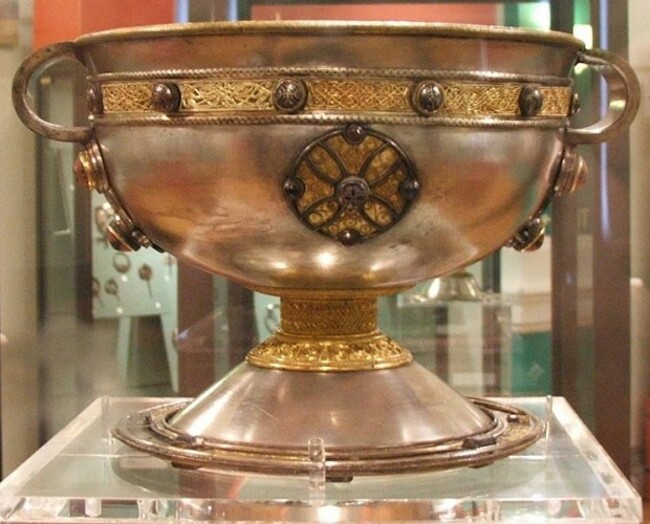
Let’s start by looking at some treasure that was discovered at home: the Ardagh Hoard. The Hoard was found in 1868 by two boys, Paddy Flanagan and Jim Quinn, who were digging in a potato field near Ardagh, Co Limerick. They found the now-famous Ardagh Chalice filled with other items, including a plainer cup and brooches. The items date from the 8th and 9th centuries AD.
Source: Wikimedia Commons
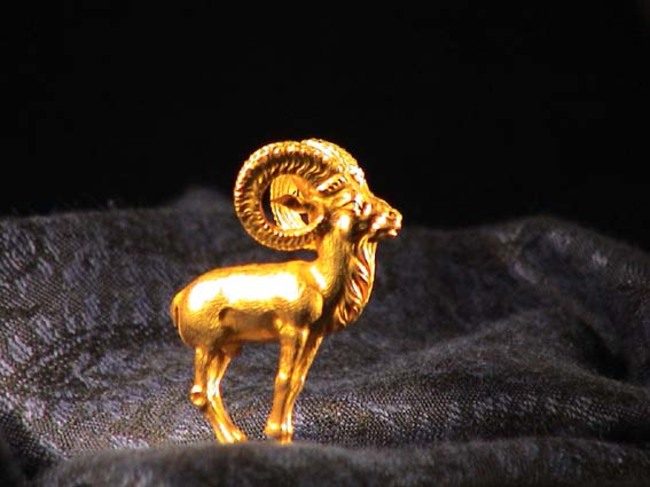
The Bactrian Gold is a collection of about 20,600 gold ornaments found in northern Afghanistan in 1978 by a team of Soviet archaeologists (just one year before the Soviet invasion).
The hoard was thought to be lost at some points during the 1990s, due to repeated looting of the National Museum of Afghanistan, but it was found in 2003 in secret vaults underneath a bank in Kabul.
A ram figure from the hoard. Source: Wikimedia Commons
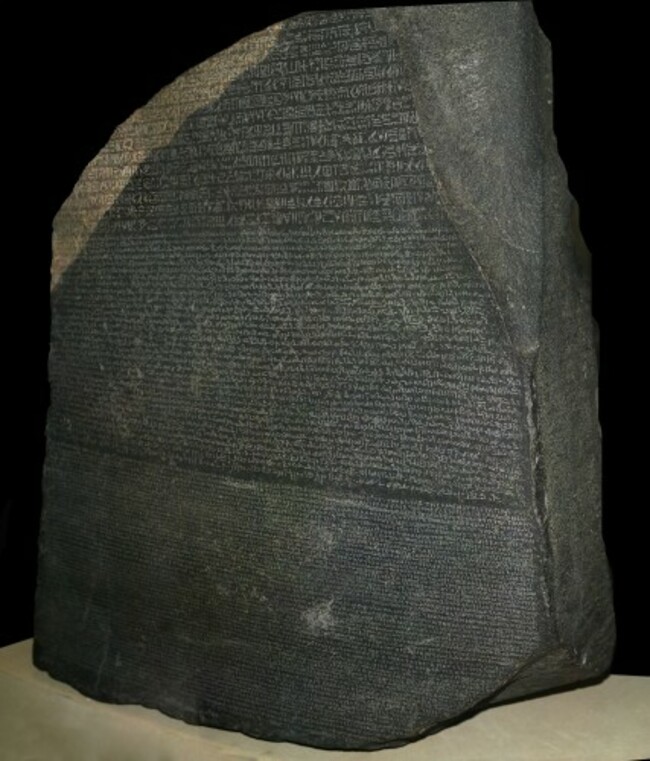
The Rosetta Stone was discovered in 1799 by French soldiers and has been key in uncovering the mysteries of Egyptian hieroglyphics. The stone features the same decree from King Ptolemy V written in three different languages – Egyptian, Ancient Greek and Demotic Script.
Source: Wikimedia Commons
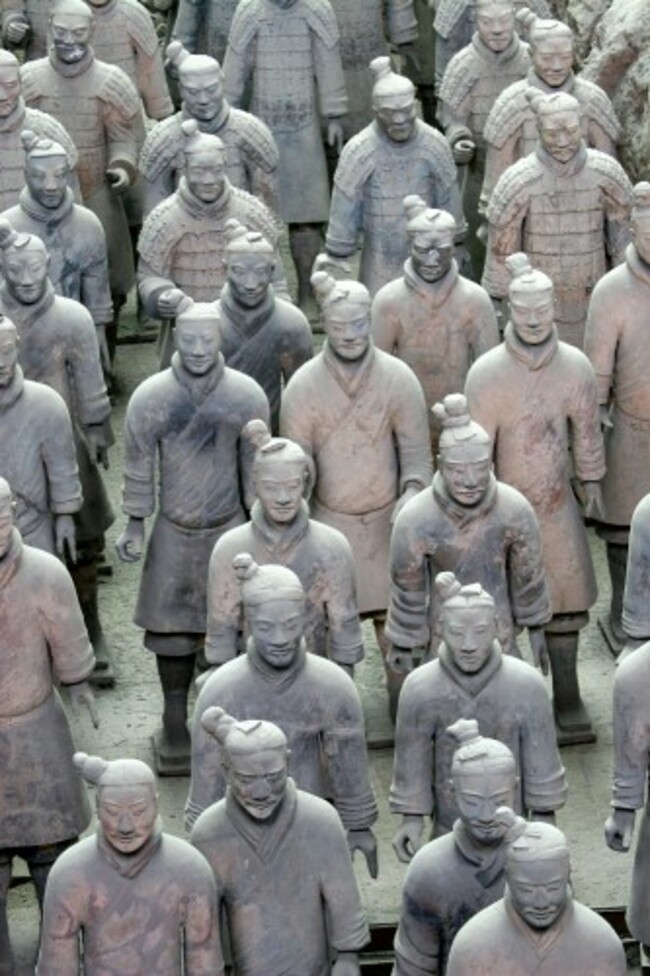
Also known as the Terracotta Army, this is a collection of terracotta sculptures depicting the armies of the first Emperor of China, Qin Shi Huang. They were found by a group of farmers in 1974 while they were digging a well.
It is estimated that the Army includes up to 8,000 soldiers, 130 chariots with 520 horses and 150 cavalry horses. They were intended to protect the Emperor in the afterlife.
Source: Shutterstock
And finally… A treasure that remains at large. Despite what we’re all taught as kids, pirates only rarely buried treasure or made treasure maps. But the so-called Treasure of Lima is one that adventurers still hunt for today.
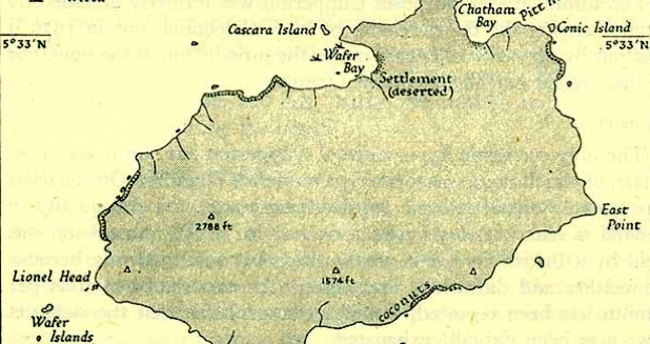
As revolt was just about to break out in Lima in 1820, the Spanish colonists moved the city’s considerable wealth and treasures for safe-keeping in Mexico. The treasure includes jewels and two gold, life-size statues of Jesus and Mary. Captain William Thomson was in charge of transporting the riches, but his crew turned pirate and stole the loot – allegedly burying it on Cocos Island. But the treasure has still never been found.
Source: Business Insider
Do you dream of finding a buried treasure like the Ardagh Chalice somewhere in Ireland? It could be closer than you think…
To embed this post, copy the code below on your site
have your say