Sign in. It’s quick, free and it’s up to you.
An account is an optional way to support the work we do. Find out more.
Sign in. It’s quick, free and it’s up to you.
An account is an optional way to support the work we do. Find out more.
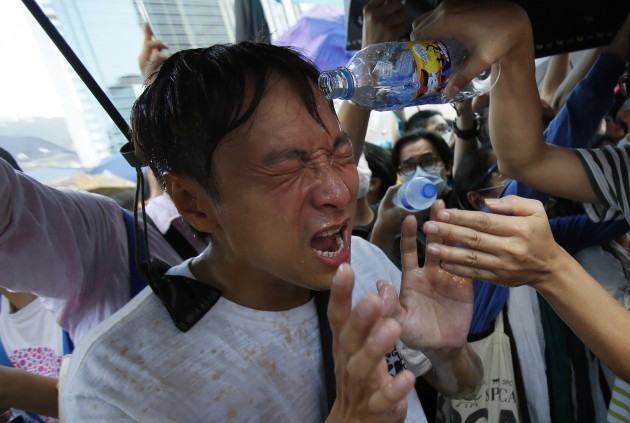
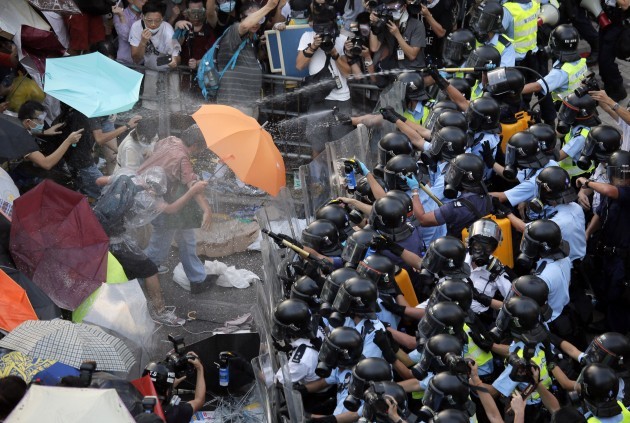
MASS PROTESTS IN Hong Kong have been met with tear gas and pepper spray.
The images from the so-called “Umbrella Revolution” in the Chinese region have shocked many in the west who think of Hong Kong as a major global financial centre and one of the more free countries in Asia.
However, the unexpectedly brutal police crackdown has shone international light on an area rife with tensions.
1. It started as a protest against an election, mostly
Last Wednesday, a coalition of student groups took part in a protest in reaction to China’s announcement of a 2017 election in Hong Kong that did not guarantee Hong Kong full autonomy, as had been promised.
However, it was also about a division between Hong Kong society, the looming shadow of the Tiananmen Square massacre and Hong Kongers anxieties about their own future.
This comes against a backdrop of Hong Kong’s importance to China declining.
Protests such as this are commonplace in Hong Kong, so this wasn’t enough to raise eyebrows.
2. But it escalated
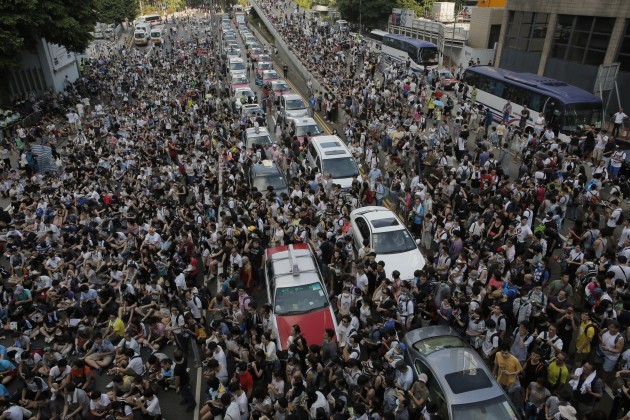
However on Friday, things turned. Members of the group Occupy Central (Central is Hong Kong’s business district), who had been planning a civil disobedience campaign for this week decided to start early. They occupied the forecourt of government buildings and other areas peacefully.
What happened next shocked the protesters.
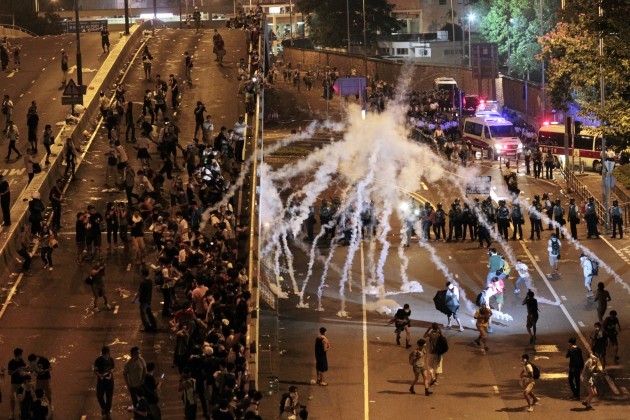
Police cracked down with a level of aggression not seen before. They took the street with tear gas, pepper spray, guns and fought with protesters. This outraged the public, who took to the streets in support.
This led to the streets of Central being covered in tear gas on Sunday.
3. The escalation was shocking for a couple of reasons
The reason people were surprised by the police escalation is that this is Hong Kong. The region is known for its order and civility. Hong Kongers see themselves as a separate, sometimes superior, people to mainland China.
Their special status grants them that feeling, but it could be under threat.
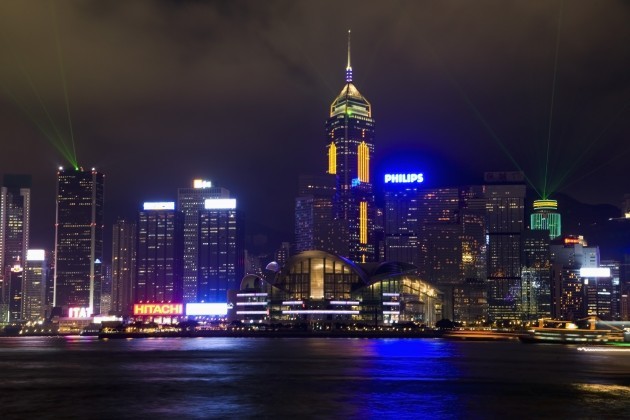
The other reason is that Central is one of the most important locations in world finance.
4. Hong Kong is upset that China is breaking a 1997 promise
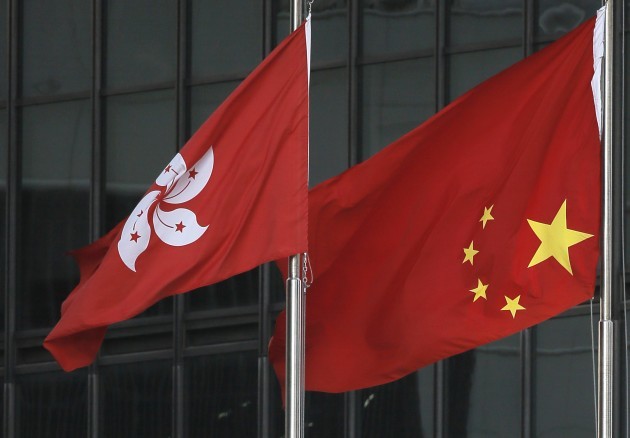
In 1997, Hong Kong was handed back to China by the British government. After a century and a half of rule from London, Hong Kong had become massively wealthy. It was also more free and autonomous than the rest of China.
When China took over in 1997, they promised “one country, two systems”, effectively committing to full autonomy in 2017, allowing them to democratically elect their leader for the first time.
The current first citizen, known as chief executive, is appointed by Beijing.
In August, Beijing announced its plan for the 2017 election.
While the leader will still be voted for by the public, the candidates will be selected by Beijing. This angered many in Hong Kong.
Pro-democracy protesters call it “fake democracy”.
5. The pro-democracy opinion is not unanimous
In August a network of pro-Beijing groups organised an anti-Occupy protest march that drew tens of thousands — although there were allegations that some protesters were paid or bussed in from the mainland.
But the scale nonetheless pointed to unease felt by some Hong Kongers — particularly in the business community — about the democracy camp’s confrontational approach towards Beijing.
6. Beijing is unlikely to back down – and protesters are digging in
The Beijing government is not likely to bend, many analysts say. However, early signs are that many protesters are still joining up with protesters.
The police in Hong Kong are de-escalating the situation. After the violence of Sunday night, police appear to have adopted a softer approach, withdrawing riot police and trying to negotiate. It is unclear whether that will last if protesters continue to occupy the streets.
Meanwhile there is palpable fear that Beijing may decide to send in the People’s Liberation Army, who maintain a garrison in the city.
Hong Kong’s chief executive has rejected that idea, insisting the city can police itself.
At the moment, it is difficult to tell which way the protests will go.
With reporting from AFP
To embed this post, copy the code below on your site
have your say