Sign in. It’s quick, free and it’s up to you.
An account is an optional way to support the work we do. Find out more.
Sign in. It’s quick, free and it’s up to you.
An account is an optional way to support the work we do. Find out more.
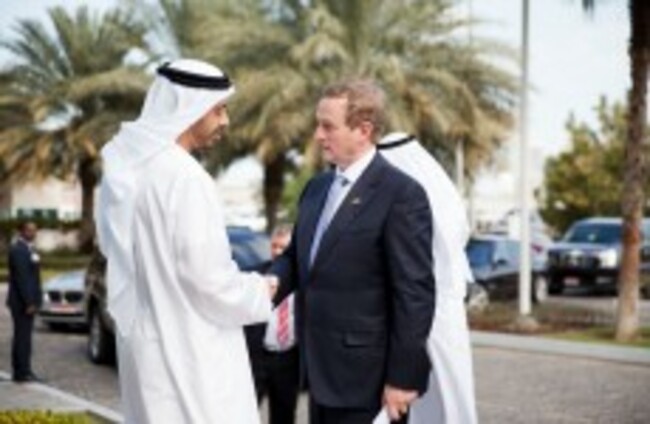
ALMOST SEVEN YEARS ago to the day, then-Taoiseach Bertie Ahern travelled to Saudi Arabia on one of the largest Irish trade missions ever.
At the time, he came in for a lot of the same criticisms which have been thrown at Enda Kenny and Richard Bruton about their current trip, with Pat Rabbitte in particular asking tough questions about whether Ahern had brought up the “shocking human rights situation” in Saudi Arabia, citing in particular the discriminatory practices against women.
Bertie Ahern brushed off a lot of the criticisms in a way eerily similar to that of Enda Kenny and Richard Bruton in recent days. He cited the benefits to Ireland in having a good business relationship with rich countries in the Middle East, and said that human rights concerns should be stated ‘from an EU position’.
However, he went slightly further than Kenny or Bruton and addressed the issue of the problems in some of the countries he had visited.
“While I do not agree with the positions they take in Saudi Arabia, they believe they are reforming at their own pace,” Ahern told the Dáil. “This is not how we would view such issues but they are moving along, regardless of how slow is progess [sic].”
The last time I was in Saudi Arabia was almost 20 years ago. Things have changed, but they have their own pace and way of doing things. They talk openly about their past and they accept the position of the EU and our views.
That’s more than either Kenny or Bruton have said so far, instead choosing to focus on the business side of things – and there’s a clear reason why. The Department of Jobs said this morning that the trade mission has yielded €25 million in contracts so far, with nine Irish companies getting new business during the first three days of the trip.
So when Richard Bruton says that the trip was neither the time nor the place to bring up concerns about human rights issues, and Enda Kenny says that he wanted to focus on the “credibility and integrity” of Irish companies, it’s clear that their focus is on the trade mission and ensuring that it is a success, leaving human rights issues to be discussed at another time.
However, other people have brought up ethical concerns about doing business with some of the countries involved in the trip – Saudi Arabia, Qatar, and the United Arab Emirates – arguing that this is exactly the time when Ireland should be raising such issues.
Colm O’Gorman of Amnesty International said there are “very, very grave concerns in relation to the treatment of migrant workers” in Qatar, where intensive construction work is taking place ahead of the 2022 World Cup (at least, assuming it takes place). O’Gorman said Ireland has a “clear responsibility” to raise human rights issues with other countries, noting particular concerns about Saudi Arabia’s treatment of women.
Separately, Socialist Party MEP Paul Murphy has written an open letter to the Taoiseach criticising him for praising ‘brutal dictatorships’ and questioning comments made by Enda Kenny in which the Taoiseach said he assumed that the people working on building World Cup stadiums in Qatar have proper working conditions and proper facilities.
“The impression is given that you consider that the issues of human rights are separate from those of trade,” Murphy wrote.
Murphy said that the Fine Gael/Labour government has often spoken about supporting the values of democracy and human rights internationally.
“If that is anything more than rhetoric, you would apply these principles in your trade policies and vocally demand an end to gross violation of human rights and ratification and implementation of the International Labour Organisation core standards,” he said.
‘Human rights issues’ can mask a series of concerns, so here are some of the problems that have been highlighted in each of the countries being visited by the Taoiseach and Minister for Jobs.
Saudi Arabia
Background: The modern state of Saudi Arabia, which is the birthplace of Islam, was founded in 1932. The country has a population of more than 30 million and has become one of the wealthiest nations in the region due to its vast oil resources. It has been ruled by the Al Saud family since the 18th century.
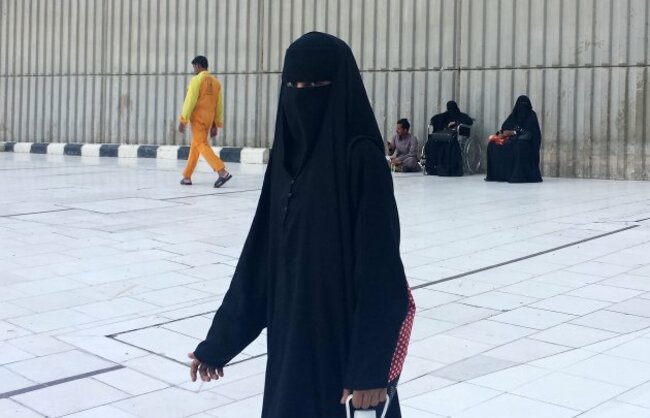
A veiled woman walking in Mecca, Saudi Arabia. (AP Photo/Aya Batrawy)
Qatar
Background: Qatar is an absolute monarchy which has been ruled by one family since the mid-1800s. The tiny country has a population of just over 2 million, but is one of the richest countries in the world due to its oil and natural gas reserves.
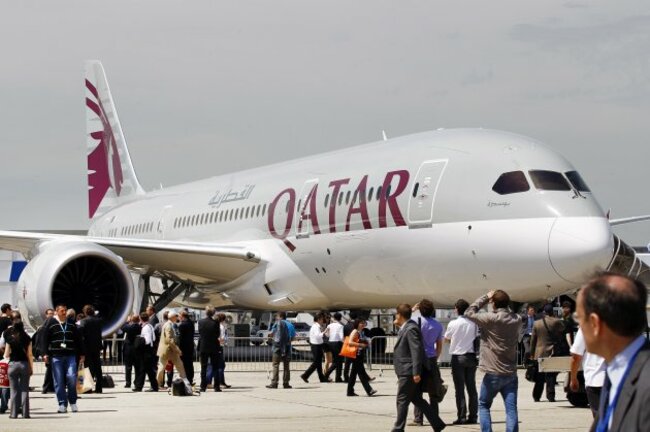
A Qatar Airways Boeing 787 Dreamliner. (AP Photo/Remy de la Mauviniere)
United Arab Emirates
Background: The UAE is made up of seven semi-autonomous emirates with a total population of around 8.5 million. The rulers of the seven emirates make up the country’s highest legislative and executive body, which selects a president from its membership. This president appoints the prime minister and cabinet.
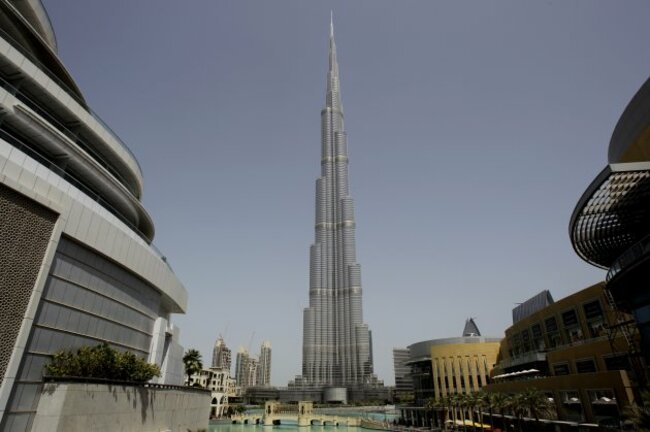
The world’s tallest building, the Burj Khalifain in Dubai, UAE. (AP Photo/Kamran Jebreili)
This article was first published on 08 January 2014.

To embed this post, copy the code below on your site









have your say