Sign in. It’s quick, free and it’s up to you.
An account is an optional way to support the work we do. Find out more.
Sign in. It’s quick, free and it’s up to you.
An account is an optional way to support the work we do. Find out more.
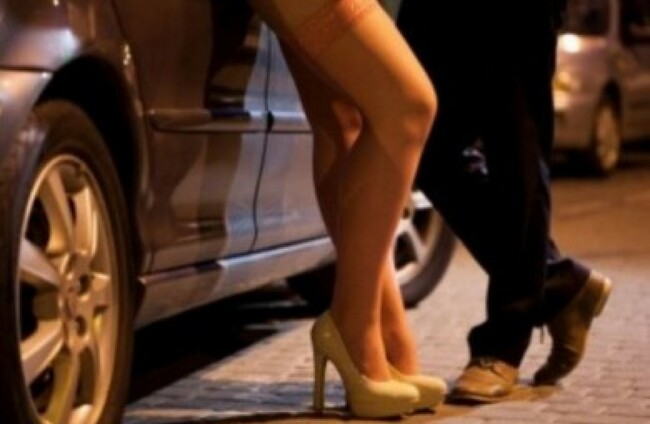
HUMAN TRAFFICKING TO Ireland for the purpose of sexual exploitation proved to be “resilient” during the Covid-19 pandemic, the country’s rapporteur will tell EU officials today.
The Irish Human Rights and Equality Commission (IHREC) is today providing its first independent update to the European Union on Ireland’s response to tackling the trafficking of human beings.
The IHREC will note that, while there has been some positive moves, there are several areas where Ireland is deficient in its battle against human trafficking.
Among the areas raised is the need for a national identification referral process that would avoid trafficking victims being criminalised and would help them access support services.
The IHREC says the HSE has a “crucial role” as part of this process and that the lack of such proper identification was a “systemic failure”.
“The Commission has consistently warned that victims of trafficking will continue to go unidentified and unaided, and traffickers will continue to act with impunity if there is not significant State action,” Sinéad Gibney of the IHREC said ahead of today’s update.
Such action is required on the victim identification process, the non-punishment principle when dealing with victims of trafficking, and the placing of specialised services and assistance to victims on a statutory footing.
In a meeting with other EU rapporteurs today, the IHREC will also set out that Ireland is in need of “urgent improvement” in providing for gender-specific shelters.
It will also make various observations on the demand for trafficked persons, noting that trafficking for sexual exploitation is “the prevalent type of exploitation in Ireland” and that it has proved “resilient to the pandemic”.
The IHREC will report that trafficked victims of sexual exploitation in Ireland primarily come from within Europe and Africa and “to a lesser extent Asia”.
It says that specific numbers of trafficked people in Ireland is not quantifiable because the “identification of victims is inconsistently and poorly reported”. Across the EU, there are more than 14,000 registered victims.
The IHREC will positively note the recently announced plans to retrospectively expunge over 600 convictions for prostitution offences. something it describes as “a significant step” in recognising the needs of sex trafficking victims.

To embed this post, copy the code below on your site














have your say