Sign in. It’s quick, free and it’s up to you.
An account is an optional way to support the work we do. Find out more.
Sign in. It’s quick, free and it’s up to you.
An account is an optional way to support the work we do. Find out more.
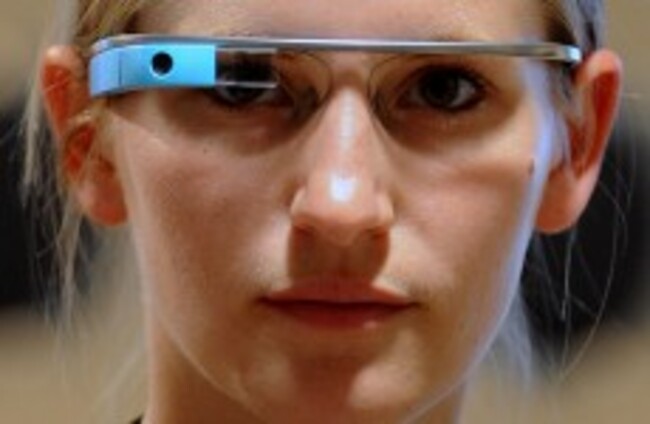
IF YOU REALLY can’t keep your hands off your phone for a couple of hours while watching a film, Google Glass could come in pretty handy in the cinema.
Being able to flick through social media and the web using a tiny unintrusive screen in front of your eye isn’t going to bother other movie-goers.
However, cinema associations in the United States have moved to ban Google Glass from theaters over fears of piracy, as the device has a built-in camera and can record video.
Earlier this year a man was questioned by Homeland Security over his use of the device in a cinema.
The same ban was also introduced in the United Kingdom when the device was released there, with guests being asked to remove them ‘as soon as the lights dim’.
Now some Irish cinemas will follow suit, ahead of the device’s release here.
The largest chain in Ireland, Omniplex, said that the devices would not be tolerated, as they fall under current rules on recording equipment.
“All video recording devices are subject to our normal house rules, which forbids their use within our cinemas,” Chairman Paul Anderson said.
“These rules relate to all devices that have a video recording function such as traditional video cameras, mobile phones or Google Glass.
Anyone found using any such devices to record video in our cinemas will immediately be ejected and as it is a criminal offence the police will be called.
However, just how much of a film could be recorded remains questionable.
According to this Quora thread, the battery generally lasts for between 30 to 45 minutes while recording video.
If you manage to get an hour of it, you reportedly run the risk of the unit overheating.
The Department of Transport said last year it feared using Google Glass while driving could ‘impact on safety’.
It will discuss with other key stakeholders to gauge whether a ban should be introduced.
“The Department is concerned that the use of this technology in its current form would distract motorists and therefore could represent a safety hazard,” a spokesperson said.
To embed this post, copy the code below on your site
have your say