Sign in. It’s quick, free and it’s up to you.
An account is an optional way to support the work we do. Find out more.
Sign in. It’s quick, free and it’s up to you.
An account is an optional way to support the work we do. Find out more.
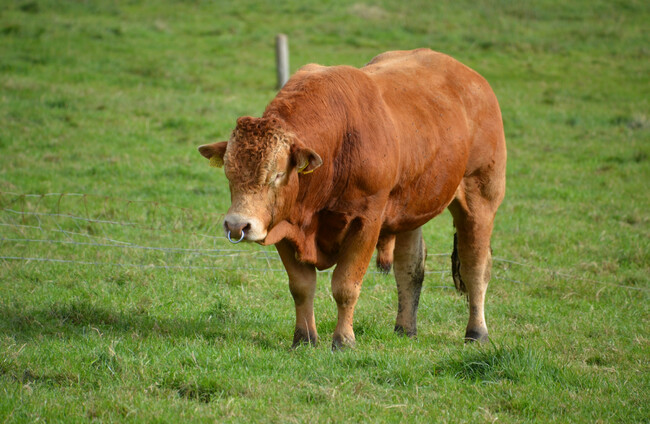
IRELAND HAS PROGRESSED its application for EU approval to give Irish grass-fed beef Protected Geographical Indication (PGI).
This indicator applies to products with an intrinsic link between qualities and geographical origin. At least one production step must also take place in the defined region to achieve PGI status.
The most well-known example of this indication is Champagne which can only officially come from the Champagne region in France.
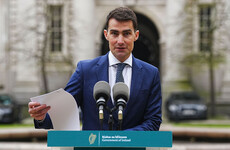
Agriculture Minister Charlie McConalogue yesterday updated the Cabinet on the application for PGI status between his department and Bord Bia with their NI and British counterparts.
Following consultation it was agreed that the area covered in the application would include the entire island of Ireland.
The European Commission was notified of this agreement and will advise on the next steps.
This includes more scrutiny and a three-month consultation period.
It is hoped in government that the European Commission scrutiny will progress quickly and that the PGI for Irish grass-fed beef will be registered.
The Programme for Government had committed to working at an EU level to develop “marketing tools” like this PGI status for Irish beef.
It comes as government negotiations continue to agree emissions reduction targets for all sectors including agriculture.
Negotiations between the Department of Agriculture and the Department of the Environment are set to continue today after ending without a deal last night.
While talks are said to be progressing well, there has not been a breakthrough between the departments.
However, one Government source said that an agreement may possibly be reached tomorrow or by the end of the week.
The Climate Action Plan 2021 outlined draft ranges for reduction targets broken down by sector, including 22% to 30% for agriculture, the lowest target of any sector despite its high emissions.
Agriculture lobbyists and some backbench TDs want the target to be at the lower end of the scale while others say it must be closer to 30% if Ireland is to meet its legally-binding climate targets.

To embed this post, copy the code below on your site










have your say