Sign in. It’s quick, free and it’s up to you.
An account is an optional way to support the work we do. Find out more.
Sign in. It’s quick, free and it’s up to you.
An account is an optional way to support the work we do. Find out more.
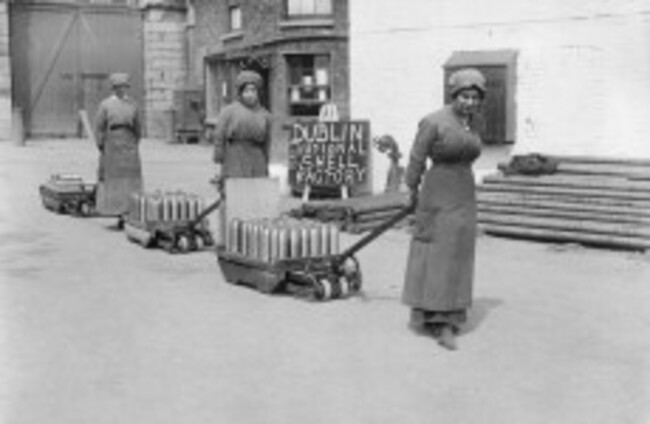
THE SIGNIFICANT CONTRIBUTION that Irish women made during World War 1 is highlighted in a new exhibition.
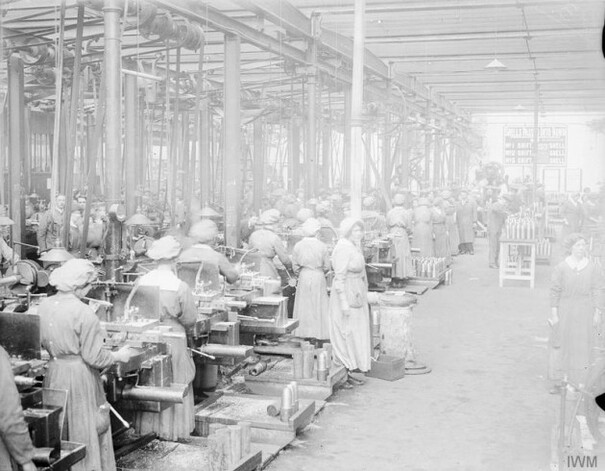
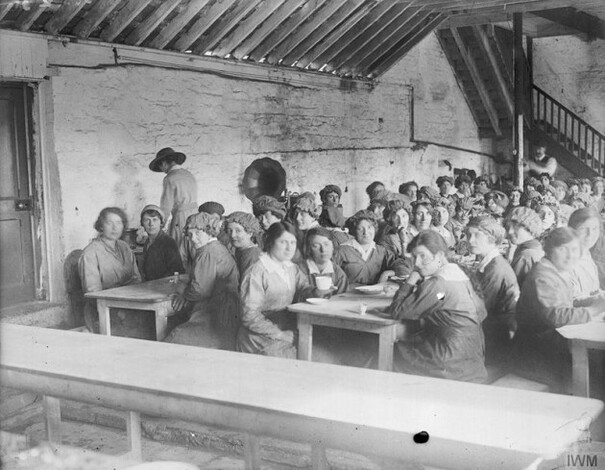
It shows how thousands of Irish women worked in bomb making factories here in Ireland.
Five ‘national munitions factories’ were set up in Dublin, Cork, Waterford and Galway – employing around 2,000 women.
The exhibition examines how Irish men and women were involved in the war by looking at the stories of 21 individuals who took part.
One of those women was Florence Lea – a dressmaker’s apprentice who had been earning a paltry two shillings a week before the war started.
Senior historian with the National Museum Lar Joye curated the World War 1 exhibition. He told TheJournal.ie that the war offered Florence an amazing chance to improve her economic situation.
“In March 1917 she begane making artillery shell casings in the Liffey Dockyard Munitions Factory where she earned about fifty shillings a week.”
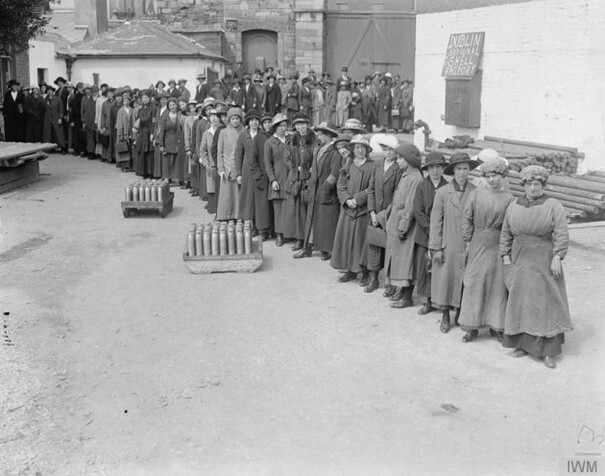
About 1,400 women worked making bombs in Dublin.
The Imperial War Museum has collected photos of women working at the National Shell Factory at Parkgate Street during the First World War:
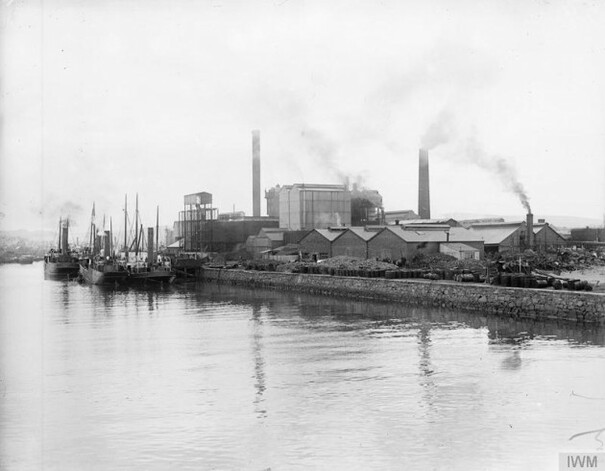
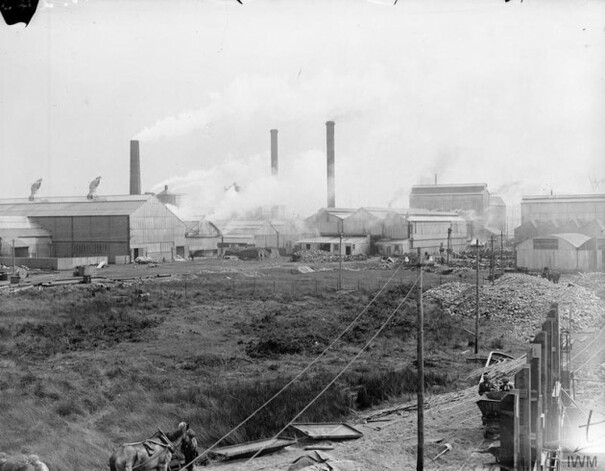
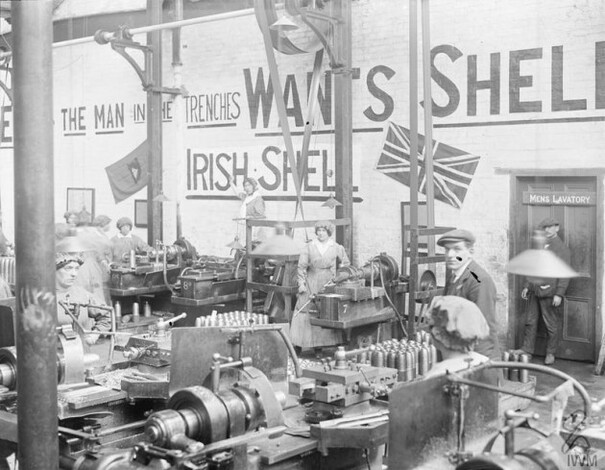
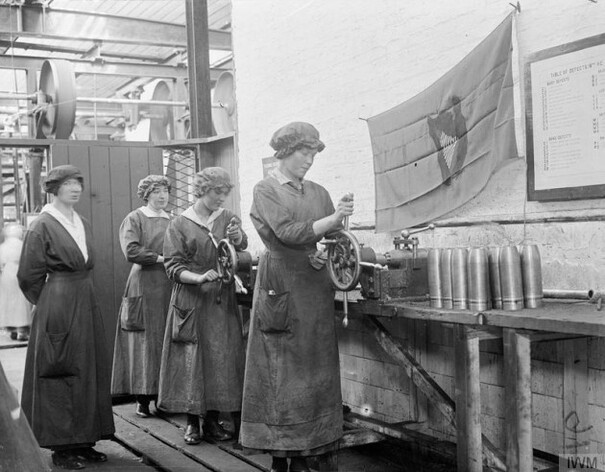
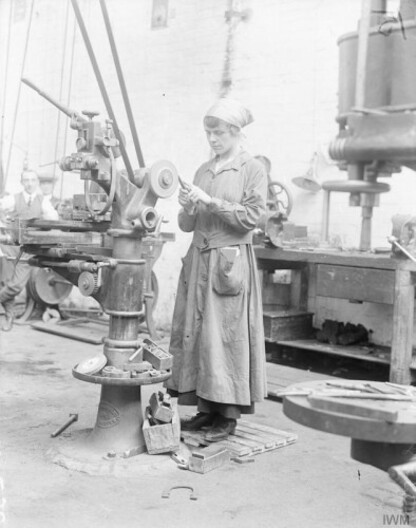
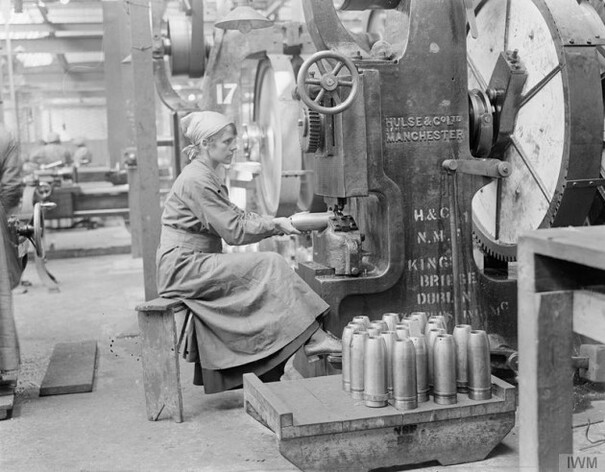
It was dangerous work and in September of 1917 a factory in Arklow blew up and killed 27 people.
The plant manufactured 100 tons of cordite every week and had a workforce of over 2,000.
It happened at 4 o’clock in the morning- had it happened at 4 o’clock in the afternoon it could have killed hundreds.
By the summer of 1919 the national shell factories were sold and the majority of Irish women – including Florence – returned to more traditional workplaces and trades.
Recovered Voices – Stories of the Irish at War 1914 – 1915, opened at the National Museum of Ireland this week.

To embed this post, copy the code below on your site












have your say