Sign in. It’s quick, free and it’s up to you.
An account is an optional way to support the work we do. Find out more.
Sign in. It’s quick, free and it’s up to you.
An account is an optional way to support the work we do. Find out more.
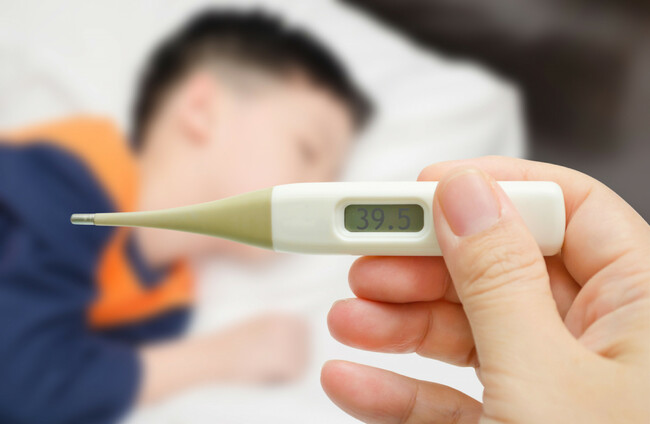
THE HSE HAS said people do not need to panic after it issued a warning about a bug that causes meningitis, but they should seek immediate medical advice if they believe they or their children are showing symptoms.
On Wednesday, the HSE said 11 cases of what is known as ‘meningococcal disease’ have been reported to the Health Protection Surveillance Centre (HPSC) since the last week in December. Three of these patients have died and all three deaths were directly due to this infection. This bug cases meningitis and septicaemia.
Dr Suzanne Cotter specialist in public health medicine at the HPSC told TheJournal.ie that people “shouldn’t panic”.
She said cases of this infection are not unusual, they happen every year – last year there were 89 cases – and particularly in the winter months.
Around 10% of the general population at any one time is carrying the bug at the back of their throat. Most people do not develop disease but occasionally then can, or they can pass it on to someone else who will then become ill.
She said the reason the HSE alerted people to these cases is because of the fact that there were eight cases in just one week, which is unusual.
“Back in 2,000 there was a lot of meningitis, more than 500 cases reported in a year and it was a major concern for clinicians and people were alert to it. So people knew not to sit on it, to seek medical advice. Over time we’ve seen a decrease and people forget to think about meningitis when someone is really sick so we needed to remind people.
We don’t want to cause hysteria but we don’t want people to be complacent. Flu, which is one of the symptoms is not one people may relate to it and flu is also out now. Fever, severe headaches and photophobia are the classic things – the rash doesn’t always appear early on.
“What we’re saying is if you feel your child or teenager or family member is really quite sick, do seek medical advice.”
Although children, older people and those with underlying conditions are most vulnerable if they get the bug, Cotter said even the fittest person can be “struck down unexpectedly”.
She said the most important thing is early antibiotic usage to prevent the person from becoming dangerously ill.
The signs and symptoms include:
Anyone who believes they are showing symptoms is advised to contact their GP.

To embed this post, copy the code below on your site










have your say