Sign in. It’s quick, free and it’s up to you.
An account is an optional way to support the work we do. Find out more.
Sign in. It’s quick, free and it’s up to you.
An account is an optional way to support the work we do. Find out more.
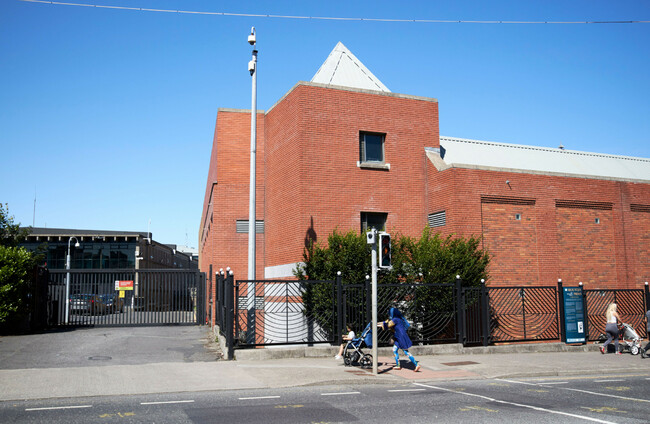
CONCERNS OVER THE mental health of inmates at many of the country’s prisons have been flagged by prison committees, with many citing a shortage of treatment options and, in the case of Portlaoise Prison, the removal of Sky Sports for inmates during the pandemic.
Prison Visiting Committees visit prisons to hear any complaints made by prisoners.
Many reports by the Visiting Committees relating to activity in 2021 describe severe and enduring mental health issues for many inmates, sometimes exacerbated by the impact of the Covid-19 pandemic and aligned with other issues such as the prevalence of drugs and the risk of homelessness on release.
The Visiting Committee for Cork Prison expressed “serious concern about adequacy of mental health services for prisoners”, and in particular those on the waiting list to be admitted to the Central Mental Hospital.
The Visiting Committee in Cloverhill voiced similar concerns, referring specifically to the High Support Unit which mainly houses people with severe mental illness, including those who are actively psychotic.
“As a result of the bed crisis at the CMH, those on the waiting list endure a substantial waiting time,” it said.
The Visiting Committee for Portlaoise Prison also highlighted mental health and called for one-on-one counselling to be made available.
It said: “Prisoners have complained to the committee members that the removal of Sky Sports in the midst of the pandemic, which was one of the few common interests that all prisoners have, in the long term may lead to increased depression and mental health issues.”
In Mountjoy the Visiting Committee said there were two groups of prisoners whose health and welfare were being “neglected.
One group is a small number of men diagnosed with a severe and enduring mental illness by the In-reach forensic mental health team.
Some of them remain in a cell for up to 23 hours a day, “untreated, severely disturbed and in great distress due to lack of adequate secure treatments beds in a secure forensic hospital”.
Another group are mentally unwell and vulnerable.
The VC said both faced lengthy waiting times for treatment.
According to the Visiting Committee for the Dochas Centre:
“The inappropriate incarceration of women with psychotic or other severe mental health issues in prison and the current lack of resources within the prison in the medical unit and the consequent negative impact on providing health care, and, in particular mental health care to prisoners.”
“In essence, the continued incarceration of multiple women with serious mental ill-health puts undue strain on an over-stretched system and elevates the risk to both women and staff.”
The same report also referred to the presence of a transgender prisoner in 2021, and the Limerick Prison VC report referred to two transgender inmates that year.
According to the Dochas report:
“The absence of a clear policy is a matter of concern if the prison aspires to be inclusive of all women in custody. We would strongly urge that this be dealt with as a matter of priority.”
“It is essential that relevant training and education be provided for prison staff to support the policy effectively and ensure the dignity and safety of any transgender women who come into custody.”
Last January the Minister for Education, Simon Harris, who was also filling in as Minister for Justice at the time, said in response to a parliamentary question on the subject:
“I have been advised by the Irish Prison Service that they are currently drafting a policy for the management of transgender prisoners, which is expected to be finalised shortly.”
To embed this post, copy the code below on your site












have your say