Sign in. It’s quick, free and it’s up to you.
An account is an optional way to support the work we do. Find out more.
Sign in. It’s quick, free and it’s up to you.
An account is an optional way to support the work we do. Find out more.
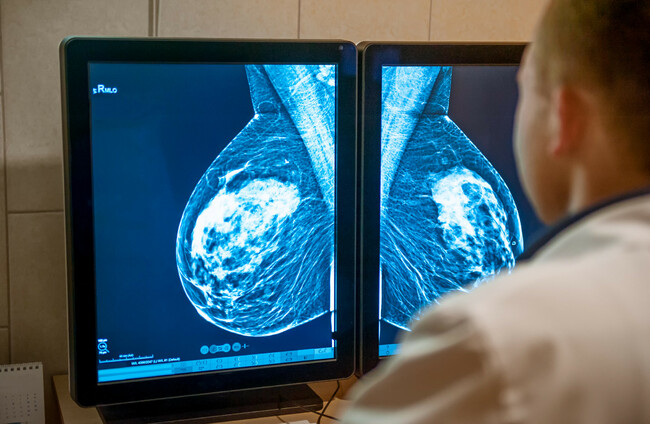
THE HEALTH SERVICE Executive has approved a new drug for people with breast cancer, which could cut the chances of the disease recurring by over 30%.
Abemaciclib from US pharmaceutical company Eli Lilly and Company will be available to patients from June.
The drug is aimed at patients who have a common form of early breast cancer with a high risk of recurrence. It aims to reduce the likelihood of the cancer metastasising – meaning it spreads to other areas.
Research shows that about 20-30% of people with HR+, HER2- early breast cancer (the most common form) may develop incurable metastatic cancer.
Abemaciclib in combination with endocrine (hormone) therapy will treat those patients who may have large tumours or a high number of affected lymph nodes and so a particularly high risk of recurrence.
Clinical trials found that the risk of recurrence was cut by 32% in high-risk patients when abemaciclib was given in combination with endocrine therapy.
Speaking to RTÉ’s Morning Ireland, Professor Janice Walshe, a UCD professor and oncologist at St Vincent’s University Hospital, said the medical community was “very excited” by the approval.
“So we’re very excited. We’ve been waiting two years it’s approved by the European Medicines Agency for the last two years,” she said.
“The UK has it for over a year. And from our point of view, we’re just very keen to get access to this for our patients, because ultimately, it’s going to reduce the risk of disease relapse, which in itself makes sense for the taxpayer.
Because when we get a disease that is incurable that is devastating for patients, but also it’s very, very expensive because people end up on drugs such as these for a number of years.
Walshe also highlighted the length of time it takes for drugs and treatment options to be approved in Ireland.
“We’re about a third last in Europe for getting drugs that both cure and prolong life getting approved,” she said.
“And there’s a couple of reasons for that because there’s obviously people within that department, doing Trojan work, but it is under-resourced and it takes a very, very long time.
Walshe said while she understood the Government perspective that these drugs are expensive, in the opinion of oncologists “we really need to focus on those drugs that reduce relapse rates or cure patients, because having metastatic disease, is very devastating for patients, but it’s also extremely expensive”.

To embed this post, copy the code below on your site














have your say