Sign in. It’s quick, free and it’s up to you.
An account is an optional way to support the work we do. Find out more.
Sign in. It’s quick, free and it’s up to you.
An account is an optional way to support the work we do. Find out more.
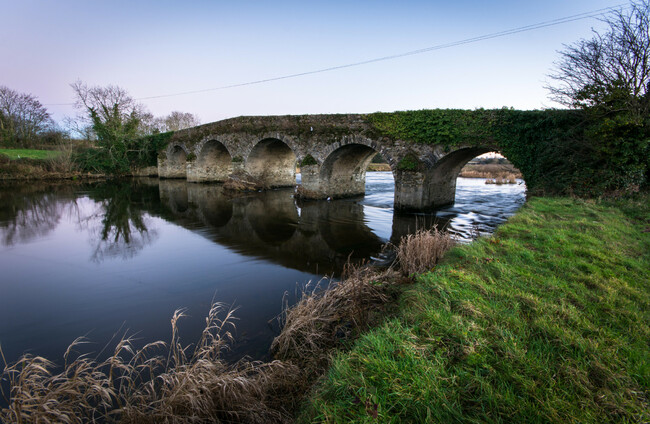
THE OUTGOIING BOSS of one of the country’s largest dairy companies has said it wants the government to help it lessen pollution in the country’s “worst rivers”, so Ireland can keep the EU’s nitrates derogation for farmers here.
Jim Bergin, who is chief executive of Tirlán, formerly Glanbia, said the company is working to improve the Slaney River in Co Wexford, in a bid to be a “template for what can be implemented” across the country.
Speaking on RTÉ Radio One’s Countrywide programme this morning, Bergin said the company and farming co-ops are looking for €10 million from the government each year over the next four years to help it “solve the nitrates issue”.
Irish farming is facing change with the reduction in Ireland’s nitrates derogation, which became a political row for the Government last year.
Ireland is one of three EU countries with the derogation, which allows farmers to keep denser herds. Denmark and Netherlands are the other two with the legal exceptions, but the Irish Farmers Journal reported this week that the former will not be renewing theirs.
Nitrates are commonly used in fertilisers and in excessive amounts can cause damage to Ireland’s rivers – something which the Environmental Protection Agency has increasingly pointed to as a major factor in the quality of Ireland’s water.
Asked by broadcaster Philip Boucher-Hayes whether Tirlán was investing enough in the scheme, given the company’s rude financial health of €3bln turnover and €72mln euro of profits for 2022, Bergin said it has approved funding “five advisors” for the Slaney River project.
He added that it was willing to provide financial support to projects for “the other big rivers” as part of these plans.
Bergin said the rivers project will be part of a collaboration with work already being done by Teagasc and the Local Authority Waters Programme, which is a grouping of State bodies working in the area.
He added that water quality is the “number one priority” for farmers and needed to be met by the industry. While “huge wealth” had been created through the industry, he said “our farmers are on their knees today” due to challenges facing the industry.
Acknowledging that “environmental damage” had been caused by the expansion of the dairy industry, Bergin insisted that there needed to be “scientific” proof behind the claims of damage.
“If I am guilty as one of the captains of industry of growing the number one domestic industry in Ireland, which has a disproportionate effect on rural Ireland, I’m guilty as charged,” Bergin said.
He added that “contingencies” are being examined in case the nitrates derogation is not retained by Ireland, but said the main focus at present is on retention.

To embed this post, copy the code below on your site
















have your say