Sign in. It’s quick, free and it’s up to you.
An account is an optional way to support the work we do. Find out more.
Sign in. It’s quick, free and it’s up to you.
An account is an optional way to support the work we do. Find out more.
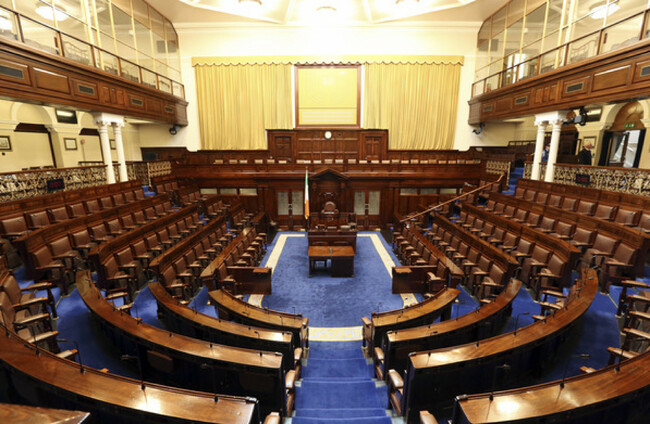
THE NUMBER OF TDs in the Dáil is set to increase by at least nine after the next general election due to the rising population.
Cabinet today approved an amendment to the Electoral Reform Bill, which will allow for the number of seats in the next Dáil to increase to at least 169 and not more than 179.
This would mean an increase of at least nine seats on the current Dáil, which has 160 TDs.
The memo was brought to cabinet by the Minister for Housing Darragh O’Brien, who sought the amendment in response to the latest estimates from the Central Statistics Office in respect of population growth.
“An amendment to the terms of reference of the Electoral Commission – the Electoral Commission will be required, following the next census of population, to recommend Dáil constituencies based on a total number of members in Dáil Éireann of not less than 169 and not more than 179,” the memo to Cabinet stated.
The final number of seats will be decided upon once the recent census data is calculated.
Currently, there are 39 constituencies in Ireland, and the Constitution provides that there must be at least one TD for every 20,000 to 30,000 people. It is likely that constituencies would have to be redrawn to accommodate the additional seats.
Last year, Ireland’s population rose to over five million for the first time since 1851, with data from this year’s census expected to show further population growth.
Cabinet also approved amendments to the Electoral Reform Bill 2022 and the Electoral Act 1997 to ensure that donations and resources from non-citizens outside the State are not being utilised to influence our elections and political processes.
False election information
The memo mentions a range of “statutory obligations that will apply to the users of online platforms not to disseminate false online electoral information which the user knows to be false, or to engage in manipulative or inauthentic behaviour, including the undisclosed use of bots, where such use is capable of affecting the integrity of an election”.
An amendment which will give an expanded role to the proposed new Electoral Commission was also approved.
This will see the Commission have an enhanced enhanced monitoring and investigations role in respect of regulating online electoral information.
The new amendment also allows for sanctions where an online platform or a buyer of an online political advertisement fails to provide written information to the Electoral Commission following a request.
The Bill concluded its second stage in the Dáil last week, with amendments expected at Committee Stage after Easter.

To embed this post, copy the code below on your site














have your say