Sign in. It’s quick, free and it’s up to you.
An account is an optional way to support the work we do. Find out more.
Sign in. It’s quick, free and it’s up to you.
An account is an optional way to support the work we do. Find out more.
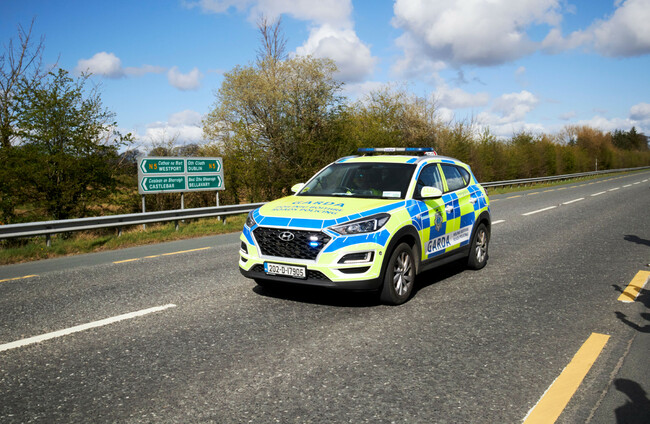
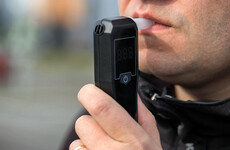
GARDAÍ ARRESTED ONE person per hour on average on suspicion of driving under the influence of drugs or alcohol, or both, over a recent national road safety enforcement operation.
Gardaí made a total of 818 arrests over the course of the operation, which began at 7am 1 December and concluded this morning at 7am. A quarter of these arrests were solely related to suspected drug-driving offences.
During the same period, a total of 14 fatal collisions took place on Irish roads.
Chief Superintendent of the Garda National Roads Policing Bureau Jane Humphries said: “It is totally unacceptable to get behind the wheel of a car when you knowingly know that you are under the influence of drugs or alcohol.”
Figures, revealed by An Garda Síochána’s bureau this morning, show that a total of 14 fatal collisions took place on Irish roads during the period, three of which took place in the first two days of 2024.
Humphries told reporters today: “The reflection of that statistic is dreadful.”
A total of 184 fatal incidents occurred on Irish roads last year, the highest statistic in almost a decade and a 19% increase in road deaths when compared to 2022.
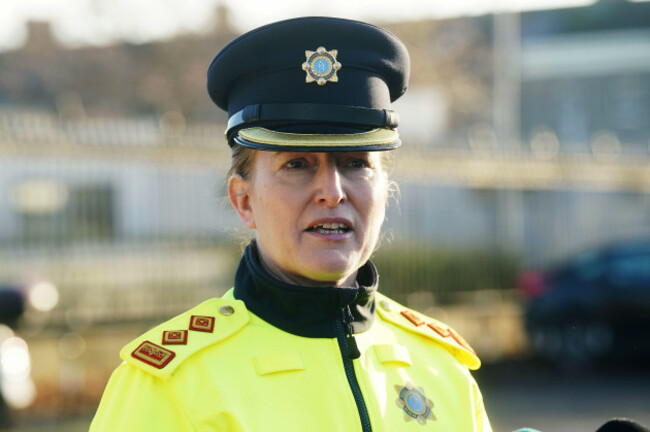
While there were three less deaths on Irish roads in December when compared to the same period last year, Humphries stressed that this was “not a good news story”.
“It is a reduction. There is a larger reduction in serious injury collisions on the same period last year.
“But again, that’s not a good news story. We would like to see those reductions far lower than what they actually are,” she said.
She added the longest period between fatalities on Irish roads was just eight days. In total, there were 173 fatal collisions in Ireland last year.
During the operation, a total of 4,429 collisions took place, 14 fatal, 82 involving serious injuries, 140 involving non-serious injuries and 4,137 involving just material damage or none at all.
Humphries detailed that the answer to solving the increased deaths on Irish roads lies in the work between gardaí, road and vehicle engineers and designers, road safety educators and drivers themselves.
Offences for not wearing a seatbelt, mobile phone usage and speeding – known to gardaí as ‘Lifesaver offences’ – were also high.
During the operation, 15,542 alleged speeding offences were committed, just over 1,000 were caught allegedly using their mobile phone while driving, and 291 were suspected of not wearing their seatbelt.
Humphries, speaking at the Garda Headquarters in Dublin this morning, said: “We are human, we will make mistakes when we’re driving. We are more likely to correct those mistakes if our speed is appropriate, if we’re not distracted and we wear our seatbelts.”

To embed this post, copy the code below on your site











have your say