Sign in. It’s quick, free and it’s up to you.
An account is an optional way to support the work we do. Find out more.
Sign in. It’s quick, free and it’s up to you.
An account is an optional way to support the work we do. Find out more.
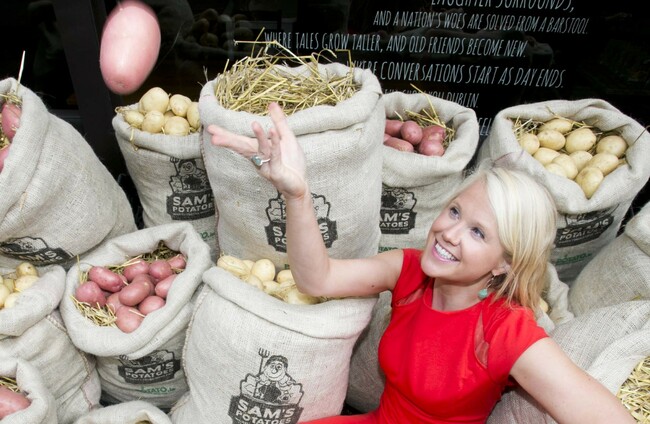

TAKE AWAY THE copious quantities of fat that we often add through cooking (or post-cooking) of potatoes and you have an exceptionally healthful, naturally fat-free food that is a great source of fibre, potassium, salt free, low in sugar. It is also generally speaking an entirely unprocessed food and let’s be honest, the same simply can’t be said for pasta.
Potatoes can be grown pretty much anywhere and will actually improve poor soil. They produce a high yield from a relatively small space and store well. No wonder they have been a staple diet for
Irish families for centuries. Digging for your first new potatoes will be like Christmas morning – promise!
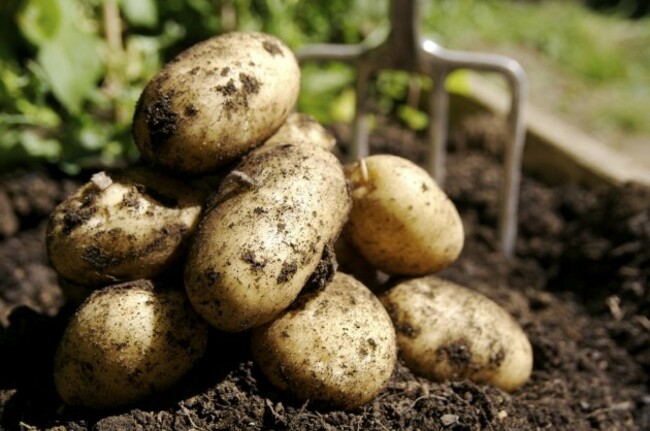
Effectively there are two types of potatoes – earlies and maincrop. Earlies grow quickly, have no skin worth speaking of, and are usually out of the soil before blight arrives. Maincrop develop later, produce a higher yield, develop a thick skin and can therefore be stored – they are, unfortunately, more vulnerable to blight as they are in the ground during the summer months when blight conditions prevail.
Potatoes are grown from “seed potatoes” which are potatoes saved from the previous year’s crop. It was traditional for Irish GIYers to save their own seed potatoes but this is generally out of favour now – better to buy certified seed potatoes each year, in case your own potatoes carry over a virus.
“Chitting” the seed potatoes is allowing them to sprout to give them a headstart before sowing. Start this process in February – lay the seed potatoes out in a shallow tray or used egg cartons and leave them somewhere relatively bright and cool. By March they will have developed green sprouts. Some people pick off all but three of the sprouts before planting.
The soil in which you are planting potatoes requires a generous application of well-rotted farmyard manure, compost or seaweed before planting (ideally the previous winter). Too much nitrogen however encourages leafy growth at the expense of the tubers. Sow first earlies in mid March (around St Patrick’s Day traditionally) in single rows, 15cm deep, 25cm apart and 45cm between rows.
Maincrop spuds are sown in mid to late April. Increase spacing to 35cm. It is vitally important to include potatoes in your crop rotation as they are susceptible to disease if grown in the same ground year on year.

Cover young plants if there is any risk of frost. Potatoes require “earthing up” – this is a process of covering the stem (also called a “haulm”) with soil. Since the potatoes grow along the haulm, the more of it that is buried beneath the soil, the more spuds you get. Use a draw hoe to bring loose soil from around the plant up against the stem.
When the stems are 20cm high draw soil up leaving just 10cm of foliage above the surface. Repeat once or twice during the summer, particularly if you see spuds popping through the soil – spuds go green if exposed to the light and are inedible (and poisonous).
Earlies will be ready about 14 weeks after sowing. Main crops take 18 weeks. The presence of flowers on the plant is often (but not always) an indicator that the spuds are ready.
We typically leave our earlies in the ground and dig as required – their thin skins mean they don’t store well. They do fine in the ground until September at which point we move on to maincrop. Maincrop can stay in the ground until the first frosts – but they are susceptible to scab, worms and slug damage so probably best to lift and store in sacks in October/November.
Be sure to remove all spuds from the ground, even the tiny ones, when harvesting – if left in the soil they will sprout next year, causing problems for the crops that are planted there.
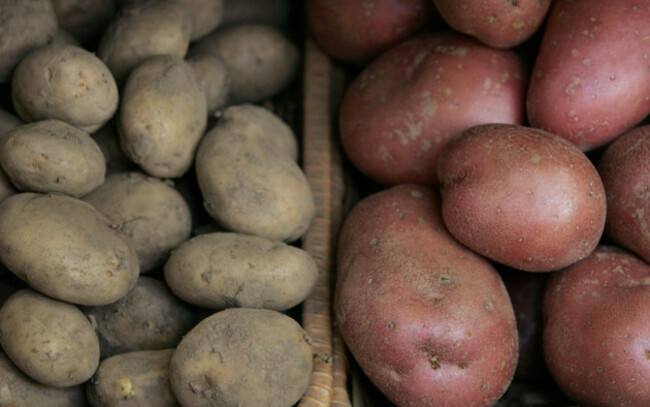
Recommended Varieties
Orla and Homeguard (earlies), Record, Cara, Pink Fir Apple and British Queens (maincrop) sarpo mira (maincrop blight resistant)
Problems
Frost damage is a real problem for early sowings. Common scab on the skin of potatoes looks poor but doesn’t affect the spud. Slugs are a real problem, eating holes in to the spuds.
The fungal disease potato blight is the bane of the potato grower – the first symptoms are dark decaying spots on leaves. Heavy rainfall and warm, humid conditions are ideal blight environments. Use blight resistant varieties such as sarpo mira, orla, setanta and cara.
GIY Tips
1. When storing maincrop potatoes, cut the stems down and leave the spuds in the ground for 10 days to allow the skin to mature. Store potatoes in hessian sacks in a dark, cool shed – do not store any damaged ones.
2. If blight strikes, cut down the stems immediately, leaving the tubers in the ground – they won’t grow any more, but the blight won’t reach them.
Recipe of the Week – Indian Spiced Potato Rosti, Haddock and Poached Egg Stack
The Bord Bia website potato.ie is a great resource for recipes that put the spud centre stage, rather than just a ‘bit on the side’. Hurrah for that. Here’s one of my favourite potato recipes – the ultimate in comfort food.
Ingredients
Directions:
Grate the potato and carrot into a clean tea-towel and squeeze out any water. In a large bowl add the grated potato and carrot and mix in the curry powder, spring onions, egg yolk and coriander, mix well.
Divide the rosti mixture in 4 and then shape into rosti shapes (flat circular shape approx. 15cm in diameter). Heat the sunflower oil in a large frying pan and cook the rosti’s until golden and crisp before turning cooking on the other side.
While the rosti is cooking place a pan of water on the stove about 3” deep and bring to a simmer and add a tablespoon of white wine vinegar.
Pop your grill onto high. Place the haddock onto a tray, dot with 10g of the butter and cook for about 6-7 minutes. Crack the eggs into the simmering water and poach for 3-4 minutes.
Lastly melt the remaining 10g of butter in a saucepan and cook the spinach until wilted. To plate up, place the rosti on your plates, top with the spinach, then the haddock and finally the poached egg. I like to sprinkle a little curry powder before serving.
Michael Kelly is a freelance journalist, author and founder of GIY.
To embed this post, copy the code below on your site














have your say