Sign in. It’s quick, free and it’s up to you.
An account is an optional way to support the work we do. Find out more.
Sign in. It’s quick, free and it’s up to you.
An account is an optional way to support the work we do. Find out more.
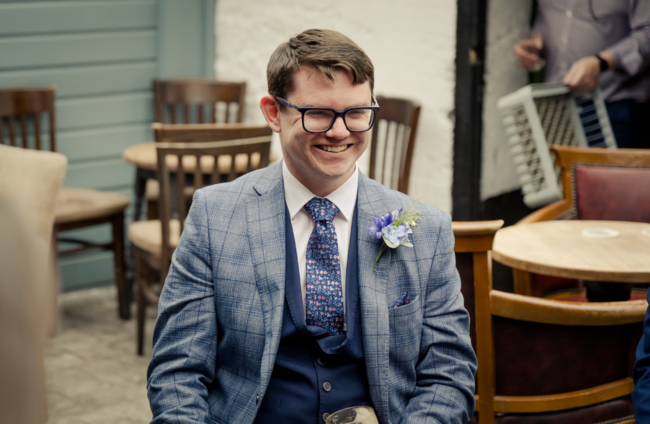

WHEN I LOOK back at the day I was diagnosed with ulcerative colitis (UC) in early 2019, and my negative thoughts on the way home about the possibility of needing a colostomy bag, I wish I could have told myself that there really was nothing to fear.
In hindsight, I had had symptoms of UC from my teens, but they worsened considerably when I was 26. My symptoms were typical – not being able to eat certain foods or drink coffee, having severe pains in my stomach, seeing blood in the toilet, and experiencing diarrhoea, constipation and severe fatigue.
I had avoided going to my doctor for several months and suffered longer than I should have. At the time, I was sale agreed on my first home and had just recently been promoted, working extremely long hours. I was living off convenience foods and put the symptoms down to stress and a poor diet.
I recall being embarrassed that I was constantly needing the bathroom. I began to plan my life around managing my symptoms and dreaded the morning train commute. I stopped eating before and during work to reduce the pain and toilet visits, only to gorge myself when home because I was so hungry.
We moved into our house in December 2018, and my symptoms worsened considerably over Christmas. I could barely eat without feeling bloated or ill. Any nights out were accompanied by a fear of how I would feel after a couple of drinks and if I would be able to stay out at all.
Eventually, I went to my GP, who referred me to a specialist. I was devastated to be diagnosed with UC a few weeks later.
I had always played GAA and soccer and saw all of that ending. The possibility of an operation to remove my colon seemed like the end of my life as I knew it. Over the next year, I was prescribed a heavy course of steroids and medication to try and get my body into remission. The incredible news that I and my partner Ciara were expecting our firstborn in October 2019 prompted me to change jobs in January 2020.
Another flare-up meant my health rapidly spiralled as we entered the first lockdown. My weight plummeted from 82kg to 56kg and I was unable to go into my new job as the biologic drugs I was taking made me immunocompromised. I was now out of work with no sick pay and our baby was due in 12 weeks.
After being unable to stomach any food or water for three days, I was forced to go to A&E where I spent a week in hospital on intravenous steroids. Once home, my condition worsened again. I was now vomiting after every meal, as well as experiencing extreme stomach cramps and diarrhoea.
I continued to lose weight and I was exhausted because I spent so much of the night going back and forth to the toilet. I started to collapse every time I stood up.
I saw a counsellor to cope with the depression. I felt like a burden and wanted to be left alone. I was ashamed that I could not support Ciara during her third trimester, or help with any of the baby prep. When I did see family and friends after weeks of lockdown, they were shocked at my appearance.
June saw a loosening of restrictions and my consultant was able to see me for a colonoscopy. I collapsed walking into the hospital and was admitted for another course of intravenous steroids. Ciara was due in two weeks and I feared I would miss our baby’s birth. With 10 days to go, I was discharged on high-calorie drinks and a new treatment plan for Entyvio infusions.
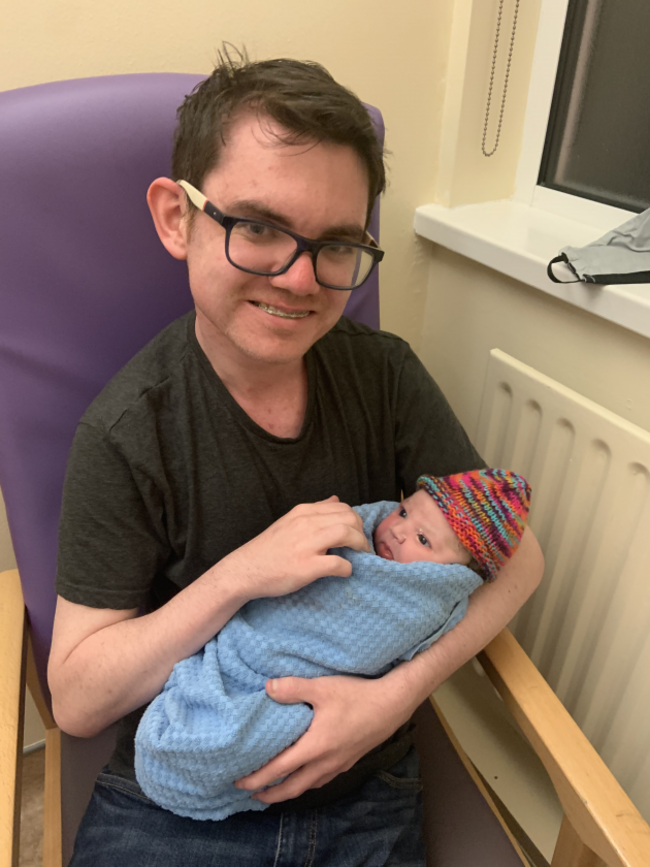
The next few weeks saw the birth of our beautiful baby girl, Anna, and engagement to Ciara. I gained 3kg and seemed to be improving, but my life was still dictated by my illness. I couldn’t be left alone with Anna in case I needed the bathroom or fainted while holding her. When Anna was 10 days old, I began my third hospital admission, and I didn’t see her again until she was five weeks old.
At this point, surgery became a very real possibility, so I started to do my research on life with a colostomy bag. I could have tried other infusions and drugs, but I didn’t want a life with my daughter to be limited by illness or hospital admissions.
I went ahead with the operation in July 2020. The recovery at first was difficult with plain foods and minimal movement. My body was drained from major surgery and the drastic weight loss.
I had to get to know how to care for my stoma – which is the opening from my stomach to enable waste matter to leave my body – and it took a while to get used to managing the bag. After six weeks, I began to notice my life opening back up. I was able to pick up my daughter again. I could go to a shop without needing to check for the nearest toilet. I could go on a long walk without worrying. I could eat what I wanted.
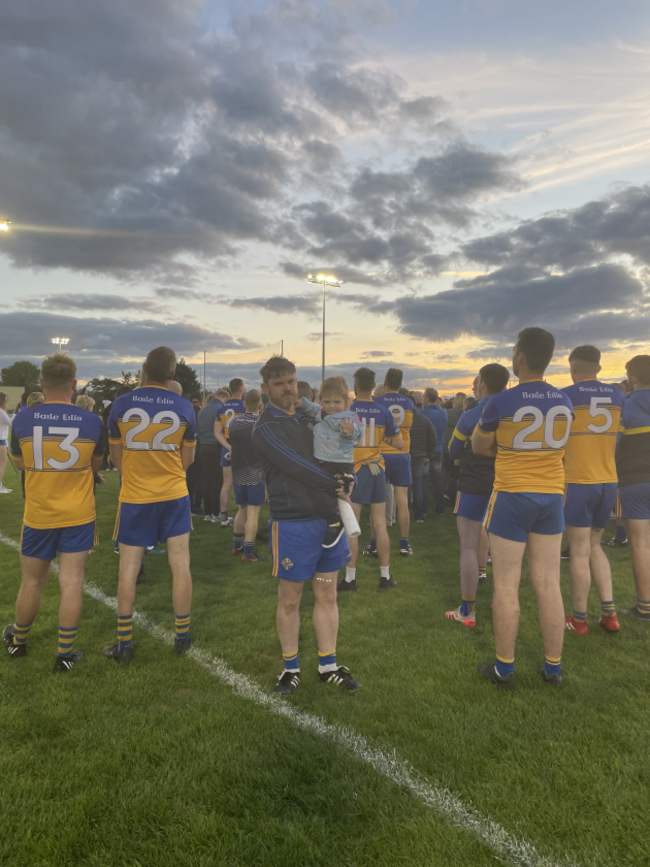
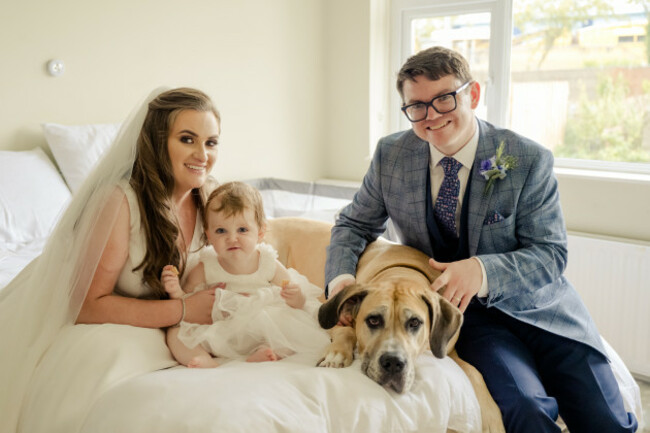
Nearly three years on, I am fit and healthy and living a fuller life than I have in so long. I could stand at the altar and say my wedding vows without having to run to the bathroom.
I can step out on a GAA pitch and go to the gym without a feeling of exhaustion overwhelming me. Most importantly, I am able to keep up with Anna who loves keeping me on my toes!
Brian Tyrrell is from Kildare. He was diagnosed with ulcerative colitis a few years ago, which ultimately led to the removal of his bowel and the use of a colostomy bag. He now lives a totally normal life. For more information, check out the new Symptom Checker launched by Crohn’s and Colitis Ireland or call its Support Line on 01 5312983 (Mon/Wed/Fri, 9.30 am-12.30 pm).
To embed this post, copy the code below on your site














have your say