Sign in. It’s quick, free and it’s up to you.
An account is an optional way to support the work we do. Find out more.
Sign in. It’s quick, free and it’s up to you.
An account is an optional way to support the work we do. Find out more.

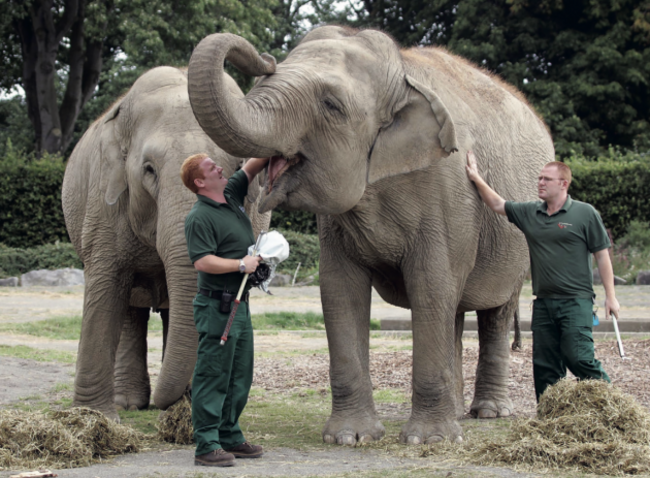
Gerry Creighton was operations manager and elephant keeper at Dublin Zoo for 36 years and the face of RTÉ’s popular series The Zoo. He is now a public speaker and consults for zoos and wildlife parks around the world on best-practice elephant conservation and research.
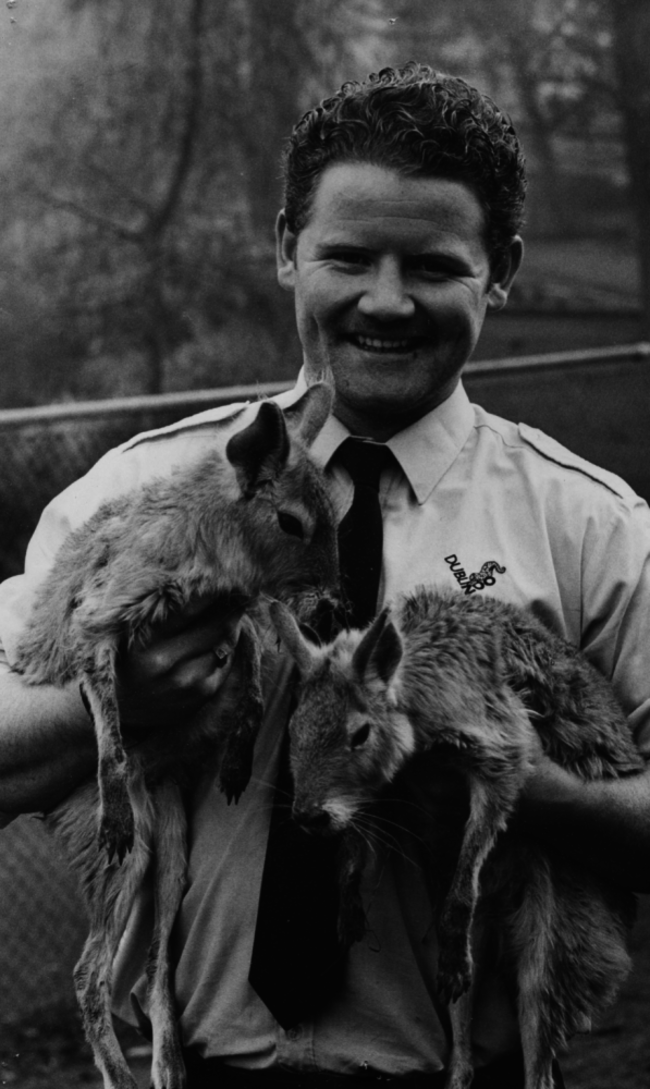
His father was a keeper at Dublin Zoo, who instilled in him a love of animals and taught him how to treat them. Gerry followed his father into work at the zoo at 15 and was hooked. Gerry’s new book, Raised By The Zoo is out now. Here, he shares an extract from the book about the source of his love of the outdoors…
MY EDUCATION IN animal care began when I was just a small kid. In addition to helping out with the hand-reared animals that came home, I was given a German shepherd dog, Dino, when I was about 10.
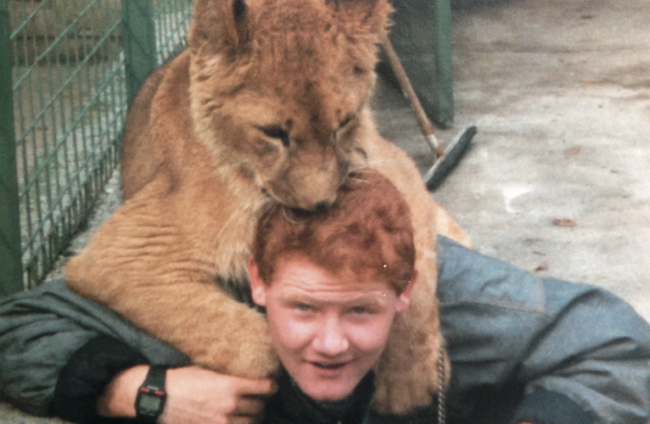
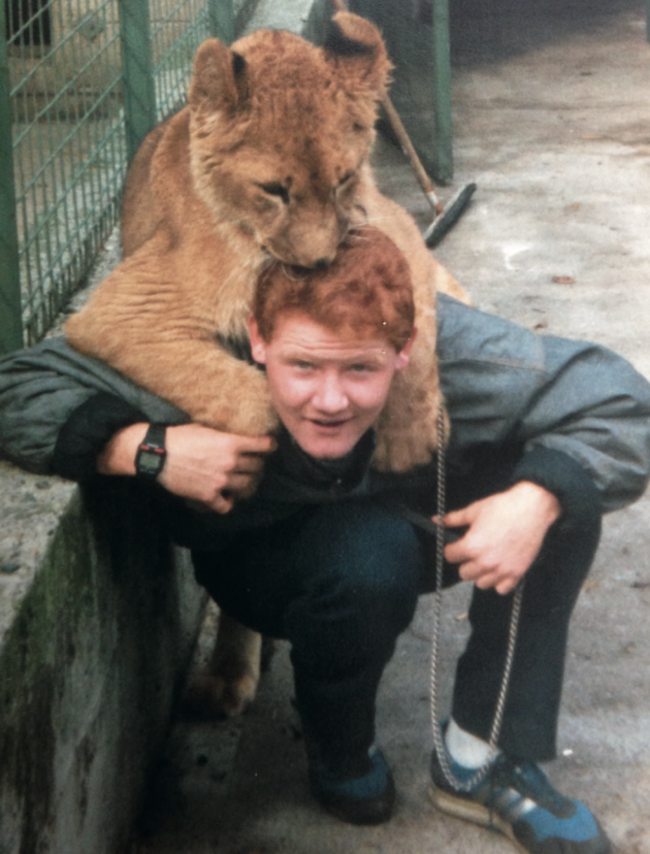
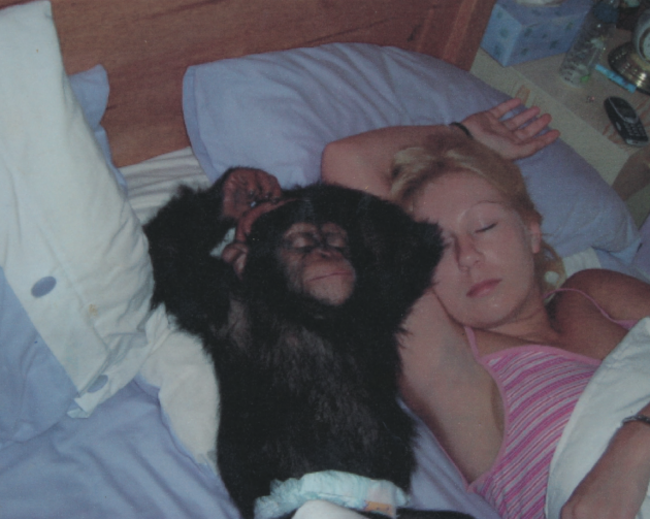
The lion cubs used to sleep with him. There’d be times when a lion cub would latch onto my leg and wouldn’t let go. I’d be going to school covered in scratches, and the teacher would ask me what happened. I’m sure they were a bit taken aback when I explained I’d been playing with a lion cub!
As animals grew older and stronger, we had to be more careful with them. There came a time when they couldn’t come into the house anymore, particularly with meat eaters. It was all right when they were on the bottle and getting milk, but when they were introduced to meat, it was hard for them to distinguish between your hand and the meat.
Carnivores are impulsive. There are thousands of years of evolution in their DNA. And we know now that they shouldn’t have been in our world. However, as a child, it was such a positive thing to grow up surrounded by and caring for animals.
Animals are good for you, both physically and psychologically. You learn sentience, you learn to show emotion. It was particularly good for me. Back then, boys were told to be tough. You couldn’t show weakness, but you could still go out and cuddle an animal. It’s easier to express love for an animal than a person at that age. It’s not going to snap or give out to you. It’s very uncomplicated.
I always wanted to be outdoors. I was always searching for wildlife and animals, even in the city streets. A character called Lukie Nugent used to go around the houses to collect slops to feed the pigs. I waited for him every day, so I could feed and rub his horses.
There were service laneways behind the houses, and people used to let their dogs out in them, so I’d be running up looking for dogs to play with. Up a couple of the lanes, there was a dairy, and a couple of fellas kept pigs and ponies. I would sit up on the wall to look at them. And it was always exciting watching the cattle run down the streets to the abattoir on Manor Street.
I found nature wherever I could. Up the road from Ivar Street was an area everyone thought of as a wasteland, but to me, it was a green oasis. I loved spending time there. I would climb over the wall, get on a roof and drop into it, looking for mice, rats and birds. I was fascinated by them. I made snares with fishing line to catch pigeons.
I’d put a bit of bread inside the snare and then, when the pigeon came, I’d pull the line and catch it. I was probably hurting it, but I didn’t think of that. I just wanted to look at them and all their colours.
Dublin Zoo is based in the Phoenix Park, 1,750 green acres in the heart of the city. As I got a bit older, I became increasingly drawn to the park itself, just like Da before me. Many of his ancestors had grown up around the park.
His mother was born in Chapelizod Lodge because her father was a parkkeeper and gardener.
He had been born in a cottage beside the Hole in the Wall pub. So the park has been at the centre of our family’s lives for generations. I would go wandering with other local boys around the People’s Gardens and the Wellington Testimonial or looking for deer.
During the heatwaves of 1976 and 1977, if I wasn’t bursting bubbles of tar on the street with lollipop sticks, I was fishing for pinkeen with nets or jumping in the lakes. Even getting to the park was an adventure. Like animals, small – and big – boys are possessive of their territory. The shortest way was through O’Devaney Gardens, a tougher area even than ours. If we went through there, we’d always end up fighting, which I used to love.
I was always good with my fists, so I never wanted to go the long way around. I was nine or 10 when we moved out to Blanchardstown, and it was as big a change as moving to the jungle. There wasn’t a lot to do.
They made the same mistakes in Corduff as they had made in other new suburbs and housing estates: they built them with no infrastructure for children. But there were open spaces everywhere. I was in my element in the fields and around the Tolka River and valley. I spent most of my time out at the old hospital in the woods, looking for hares and rabbits. I’d hide behind a tree for hours and watch the badgers. I had a specific sett that I used to leave food for.
If I wasn’t in school, I’d be up and out in the morning, and I might not come back until nine o’clock at night. My mother would be up the wall – there were no phones in those days. I’d often come back with an injured pigeon or a rabbit under my arm. In my bedroom, I’d always be rearing a couple of finches or something that had fallen out of a nest.
Raised By the Zoo by Gerry Creighton is out now, published by Gill Books. Part memoir and part manifesto for the future, Raised By The Zoo is a heart-warming and colourful story of a life spent in Dublin Zoo
To embed this post, copy the code below on your site














have your say