Sign in. It’s quick, free and it’s up to you.
An account is an optional way to support the work we do. Find out more.
Sign in. It’s quick, free and it’s up to you.
An account is an optional way to support the work we do. Find out more.
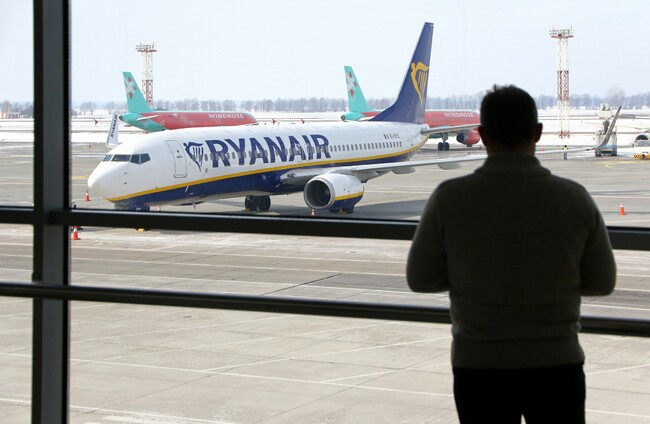
THE UK ADVERTISING regulator has told Ryanair that is must provide adequate evidence to support environmental claims after ruling that ads saying it was “Europe’s… lowest emissions airline” were banned for being misleading.
The Advertising Standards Authority (ASA) upheld complaints against newspaper, TV and radio ads which claimed that Ryanair is “Europe’s lowest fares, lowest emissions airline”.
The ads, which first ran in September last year, claimed that the carrier had “the lowest carbon emissions of any major airline” and it is a “low CO2 emissions airline” based on Europe’s top 27 airlines.
The ASA queried some of the figures and the definition of a “major airline” for the purposes of assessing emissions comparisons.
Complainants said the advertisements were misleading and could not be substantiated. They also said that airlines do not have low emissions by their nature.
In the press ad, Ryanair said its claims were based on having the youngest aircraft fleet, with the most-fuel efficient engines, and flying 97% full on average.
In giving evidence to the advertising watchdog, the airline cited data from the aviation organisation Eurocontrol and airline efficiency rankings published by Brighter Plant, which provides carbon and energy calculations.
However, the ASA said Ryanair used an airline efficiency ranking from 2011 which was “of little value as substantiation for a comparison made in 2019″.
It said that customers would interpret the ads’ claims to mean that travelling with Ryanair would mean they were contributing less CO2 than travelling with other airlines, which could not be proved.
It ruled that the “ads must not appear again in their current forms”, as the claims could not be substantiated.
In a statement to TheJournal.ie, Ryanair said it is “delighted” with the advertising campaign, saying it successfully ran the message in 10 countries across Europe.
“We made minor adjustments to the advertising in the UK market at the request of the relevant approval bodies. We were surprised we had to make these small changes, as the message was approved in other markets and we provided all the supporting data they required,” it said.

To embed this post, copy the code below on your site













have your say