Sign in. It’s quick, free and it’s up to you.
An account is an optional way to support the work we do. Find out more.
Sign in. It’s quick, free and it’s up to you.
An account is an optional way to support the work we do. Find out more.
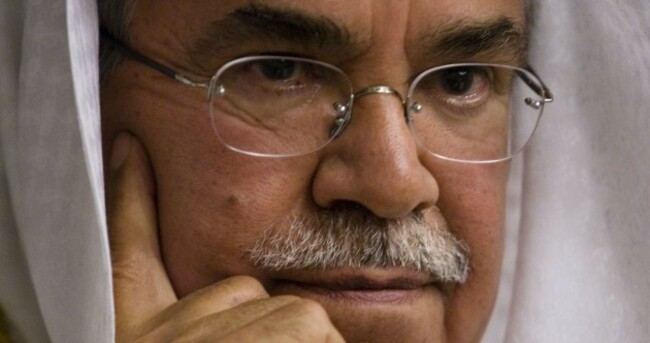
THOSE WHO BELIEVE the OPEC cartel pulls the strings on global oil prices are wrong – they should apparently be looking to a higher power to make sense of the cost fluctuations.
Saudi Arabia’s oil minister, Ali Al-Naimi, whose country is one of the world’s three biggest producers, today told CNBC that the price of oil couldn’t be controlled and was “up to Allah” when he was asked about where the volatile market was headed.
It comes as major oil producers continue to face pressure to push up their prices and make their operations more profitable in the face of lower global demand and a boom in production.
So far the OPEC consortium has kept up its output as it goes head-to-head with US oil producers riding the wave of the fracking boom. There is also the prospect of Iranian oil being added to the global glut if sanctions are lifted under a nuclear deal.
Al-Naimi said worldwide supply and demand was the only thing that would set oil prices in the long term.
I am not worried about Iranian crude, nor will I try to predict what the price is – if I were to predict, I would be somewhere else, gambling,” he said.
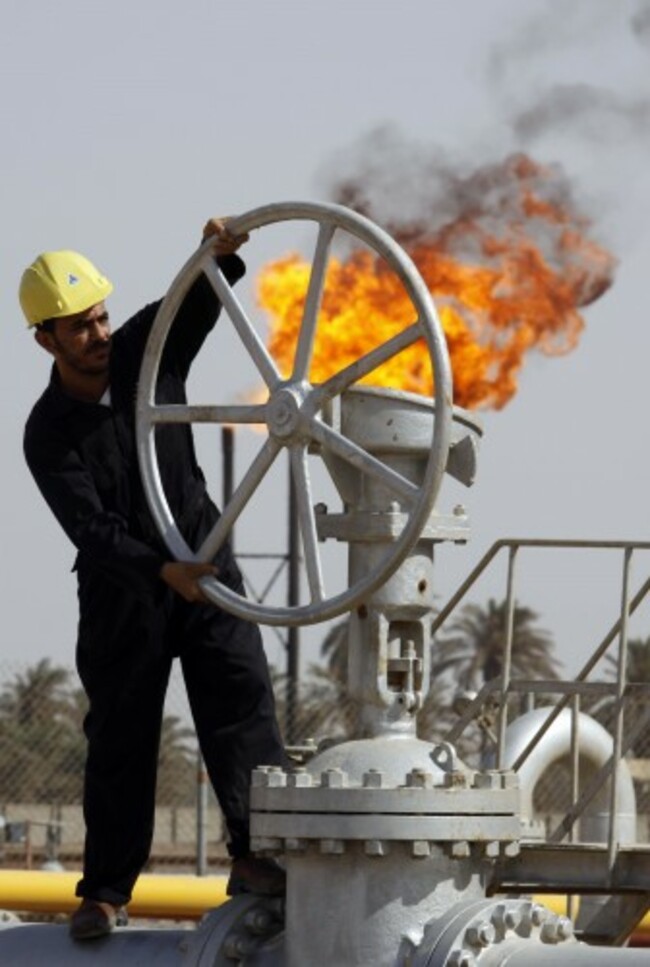
Up and down
Saudi Arabia is the biggest and most powerful oil exporter among the OPEC consortium, but its finances have been bleeding into the red with falling prices.
Oil rents – the difference between the value of Saudi oil production on world markets and the cost of production - have in recent years made up about half of the country’s total economy.
Meanwhile, the price of oil hit six-year lows earlier this year, but the price of Brent crude has since bounced back above $67 per barrel after sitting at close to $50 per barrel in January and February.
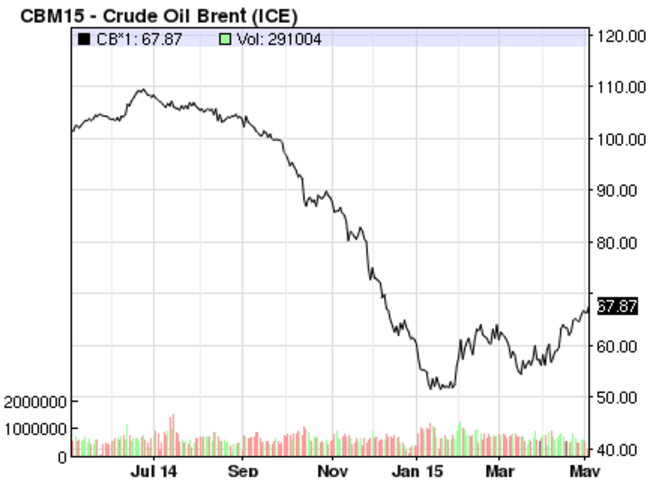
The rebound has been driven by a recent fall in supply, with US oil rigs being taken offline because of the low prices and political instability in producers like Libya putting the brakes on output.
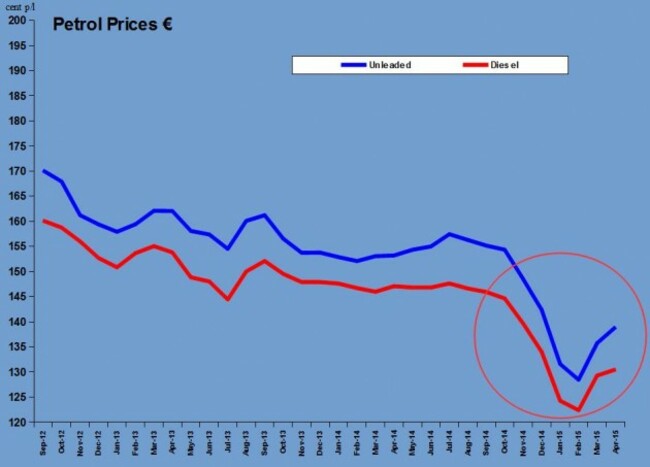
Irish fuel suppliers have been quick to respond to the changes in price, hiking the average cost of unleaded to €1.39 per litre in April – up from a low of €1.28 in February – according to figures from the AA.

To embed this post, copy the code below on your site











have your say