Sign in. It’s quick, free and it’s up to you.
An account is an optional way to support the work we do. Find out more.
Sign in. It’s quick, free and it’s up to you.
An account is an optional way to support the work we do. Find out more.
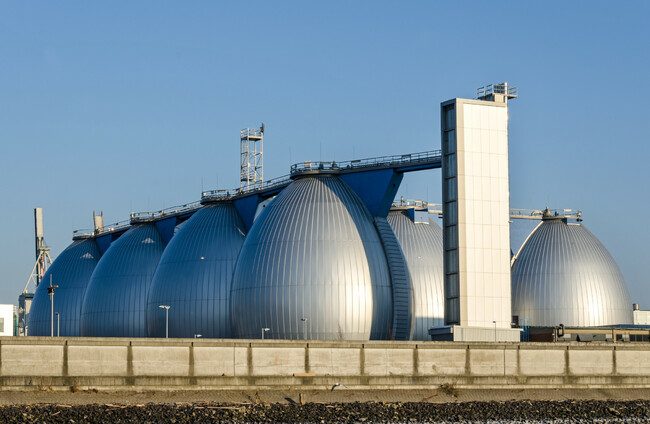
GERMAN CHANCELLOR OLAF Scholz accused Russia of blocking the delivery of a turbine needed to keep gas flowing via the Nord Stream 1 pipeline to Europe today.
The unit was “available and working” Scholz said, standing next to the turbine on a visit to the maker Siemens energy.
“There is no reason why this delivery cannot happen,” Scholz said.
The turbine had received “all the approvals” it needed for export from Germany to Russia, he said.
Pipeline operators only needed to say that “they want to have the turbine and provide the necessary customs information for transport to Russia”, Scholz said.
Transferring the missing unit to Russia was “really easy”, he added.
Russian energy giant Gazprom has blamed the delayed return of the unit from Canada, where it was being serviced, for the initial reduction in deliveries of gas via the Nord Stream 1 gas pipeline.
Germany, which is heavily dependent on Russian gas, has dismissed the decision to limit supplies as “political”.
Deliveries via the undersea energy link were reduced to around 20% of capacity in late July, after Gazprom halted the operation of one of the last two operating turbines due to the “technical condition of the engine”.
Germany has been working to wean itself off Russian energy imports since the invasion of Ukraine in February.
Amid a scramble by Europe’s biggest economy for other energy sources, Scholz said today that it “can make sense” to keep Germany’s remaining three nuclear plants running, despite a long-planned stop at the end of the year.
The government has said it will await the outcome of a new “stress test” of the national electric grid before determining whether to stick with the phaseout.
Extending the lifetime of the plants has set off a heated debate in Germany, with the parties in Scholz’s coalition divided on the issue.
“As far as the energy supply in Germany is concerned, the three last nuclear plants are relevant exclusively for electricity production, and only for a small part of it. Nevertheless, it can make sense” to keep them going, said Scholz.
German households are bracing for bigger-than-usual bills this winter as energy companies pass on the cost of gas, which has soared since the Russian invasion of Ukraine.
The invoice for a typical household could double from 1 October, German group RheinEnergie warned in a statement on Monday, the first major provider to give a detailed estimate.
The company supplies approximately 2.5 million people with energy in the region around the city of Cologne, in western Germany.
“An increase of almost 450 percent in the procurement cost for natural gas” over the past year was behind the punishing increase, RheinEnergie said.

To embed this post, copy the code below on your site













have your say