Sign in. It’s quick, free and it’s up to you.
An account is an optional way to support the work we do. Find out more.
Sign in. It’s quick, free and it’s up to you.
An account is an optional way to support the work we do. Find out more.
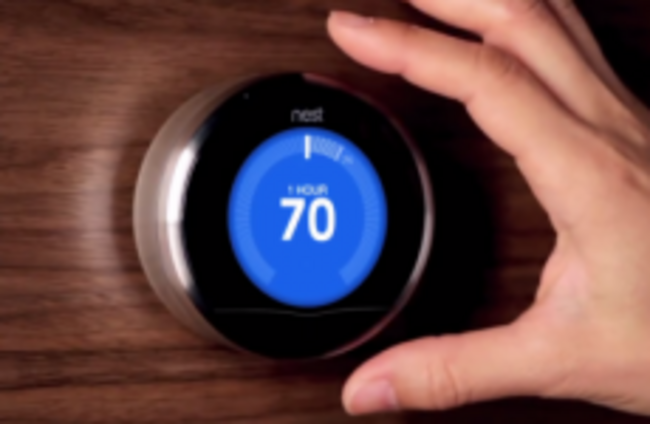
THE NUMBER OF appliances and items allowing you to connect and control them remotely has risen in recent times, the level of security afforded to these devices might not be up to scratch, according to a new report.
New research from HP found that the majority of IoT devices have “an alarmingly high average number of vulnerabilities per device.”
Looking at ten of the most popular IoT devices in areas like TVs, webcams, home alarms and remote power outlets, it found that these vulnerabilities ranged from “Heartbleed to Denial of Service to weak passwords to cross-site scripting.”
Of the devices looked at, 90% of them collected at least one piece of personal information via the device, the cloud or its mobile app, while 70% used unencrypted network services.
More worryingly, 80% of devices along with their cloud and mobile apps failed to require passwords of a sufficient length and complexity, while 70% allowed an attacker to identify valid user accounts through account enumeration.
All of the devices required mobile apps which could be used to access or control the devices remotely while most of them included some form of cloud service. HP didn’t specify what devices it looked at when conducting this research.
It’s predicted that by 2020, the number of IoT devices available worldwide will grow to 26 billion, according to research firm Gartner.
Despite these problems, the report says there’s still time to secure devices before the problem becomes more widespread and consumers are put at risk.

To embed this post, copy the code below on your site














have your say