Sign in. It’s quick, free and it’s up to you.
An account is an optional way to support the work we do. Find out more.
Sign in. It’s quick, free and it’s up to you.
An account is an optional way to support the work we do. Find out more.
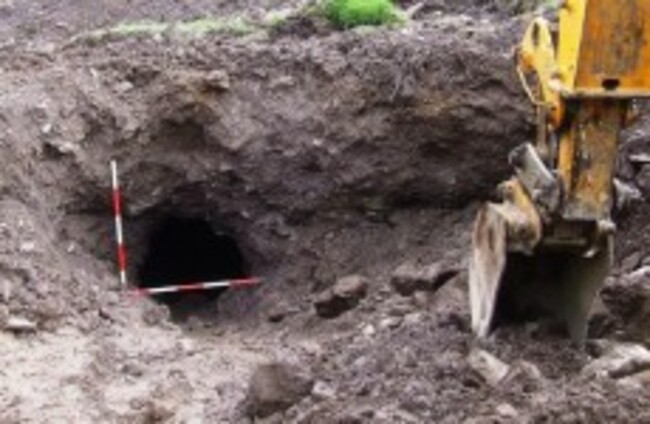
A JCB DRIVER working on road improvement works on the Cork-Kerry border was minding his own business when he stumbled across a centuries-old subterranean passage.
The discovery was made at Releagh on the Caha Mountain pass N71 roadworks between Kenmare and Glengarriff.
Speaking to Radio Kerry, senior archaeologist with the National Roads Authority (NRA) James Eogan said that a huge hole had ‘simply opened up’ in front of the digger operator.
“Being an experienced driver, he knew this wasn’t normal,” said Eogan.
It’s a souterrain that had been lost to memory, and most likely one that was used for refuge given the very rocky nature of the soil it’s contained in.
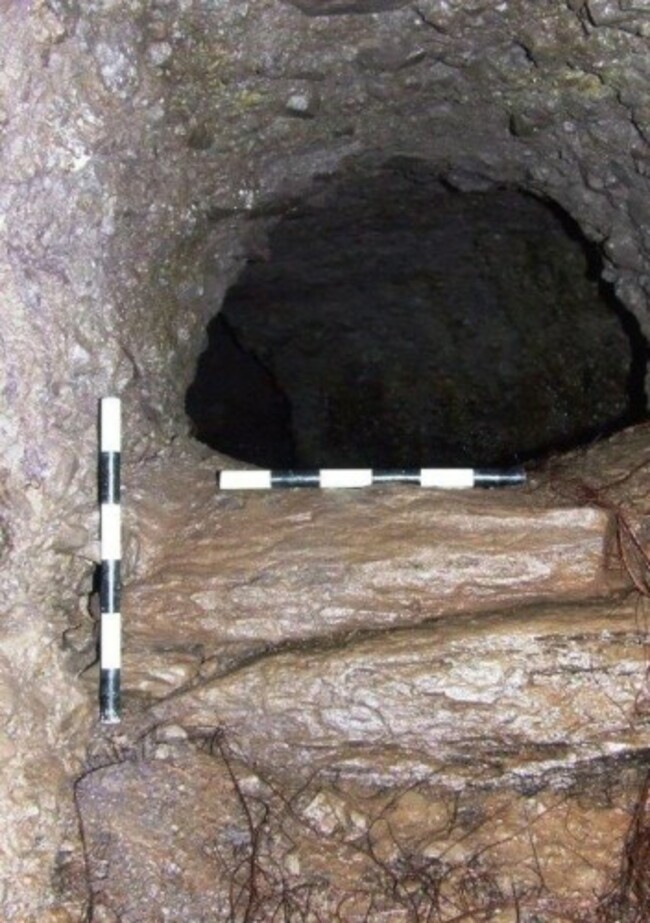
Souterrains are ancient underground galleries which were were most commonly associated with a settlement.
“It’s likely between 1,000 and 1,200 years old, so eighth or ninth century,” said Eogan.
It could be pre-Viking. Although there isn’t much evidence of Viking activity that far south, the locals didn’t have much of a problem with raiding each other back then either.
So it may just as much have been a refuge from the Cork neighbours just across the mountain!
South Kerry has a rich heritage for such archaeological finds – this souterrain is the 870th recorded in Kerry alone. While most are not accessible to the public, some (such as Leacanabuaile at Cahirciveen) still are.
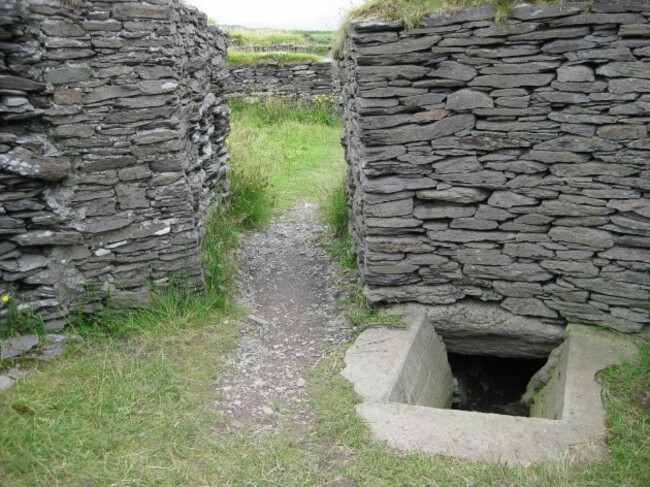
“This one is a lot different, tunneled almost into rock, or very rocky soil,” said Eogan.
There’s at least two chambers, the whole thing is about 15 metres in length and 1.4 metres high.
The good news for the NRA is that the roadworks only clipped the very end of the tunnel, with the souterrain’s chambers extending away from the project, so it won’t need to be excavated and there’ll be no delay in construction.
It won’t be accessible either though unfortunately.
“It’s fairly small and hazardous,” says Eogan.
We’ll put in an engineering solution to preserve it, and then look to learn as much as possible about the discovery.

To embed this post, copy the code below on your site











have your say