Sign in. It’s quick, free and it’s up to you.
An account is an optional way to support the work we do. Find out more.
Sign in. It’s quick, free and it’s up to you.
An account is an optional way to support the work we do. Find out more.

MID-TWENTIETH CENTURY architecture is not remembered fondly anywhere in the world.
And that’s especially true in former communist countries of Europe and Central Asia, where it seems like architects following a passing fad were allowed to do whatever they wanted.
The result was some bizarre and amazing-looking structures, a number of which are still standing 25 years after the fall of the Berlin Wall.
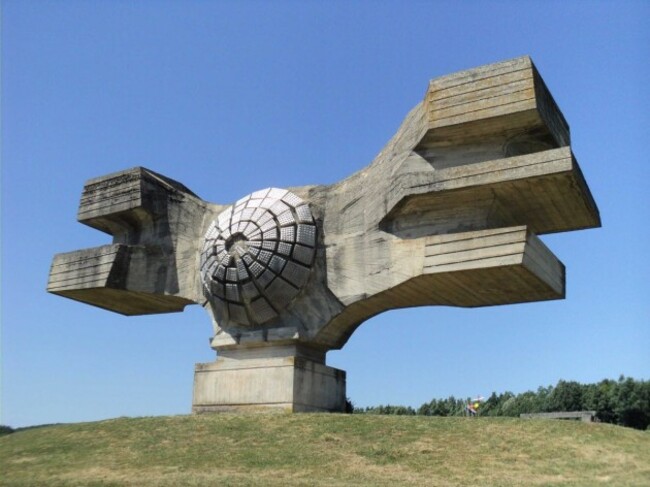
The “Monument to the Revolution” built in Croatia (then Yugoslavia) is an abstract sculpture dedicated to the people of Moslavina during World War II.
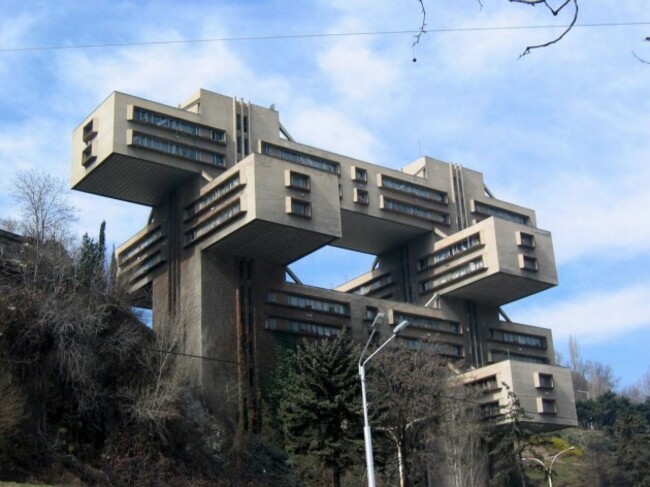
This building in Georgia originally housed the Ministry of Highways and almost looks like it has been Photoshopped. It’s now occupied by a commercial bank.
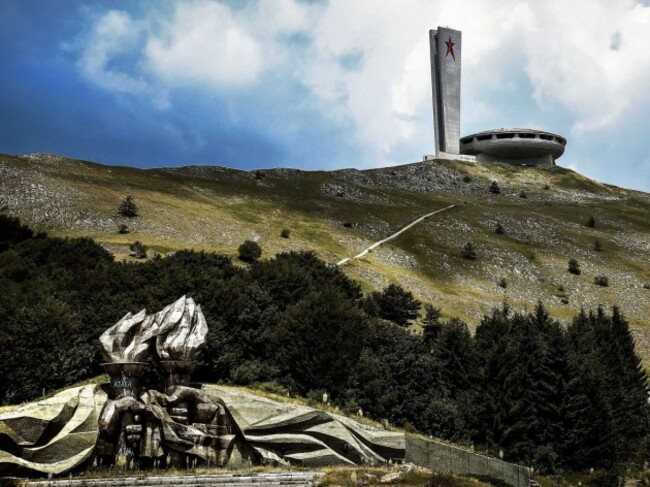
The enormous UFO-like spiritual home of the Bulgarian communist party stands on a peak in Buzludzha, a mountainous part of the country.
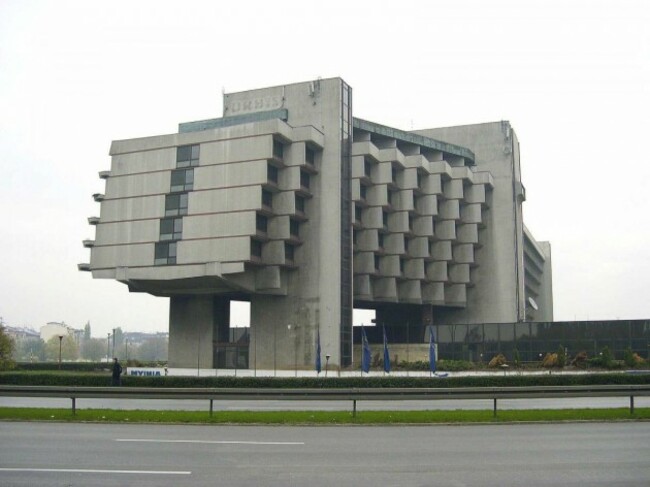
The Forum Hotel in Krakow, Poland, is another example of how 1970s communist architects simply couldn’t resist lifting ugly buildings off the ground.
The Makedonium is a memorial built in the 1970s to commemorate a revolt against Ottoman rule in the early 1900s, and it’s pretty bizarre.
 Source: vesnamarkoska, Flickr
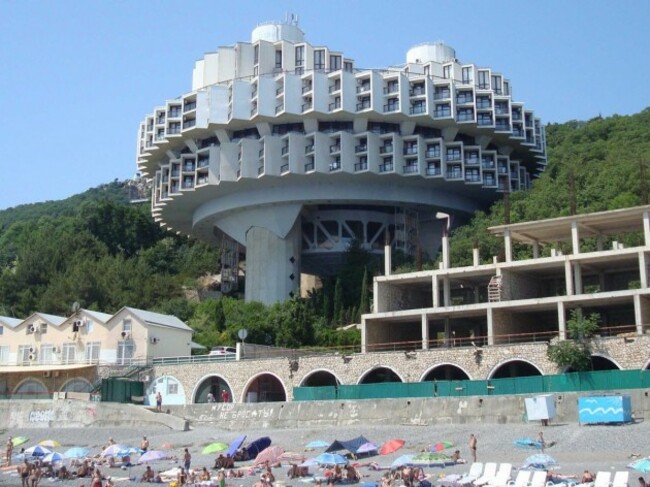
This resort in Ukraine combines two late Soviet architectural trends: Constructing things off the ground, and buildings that look slightly like UFOs.
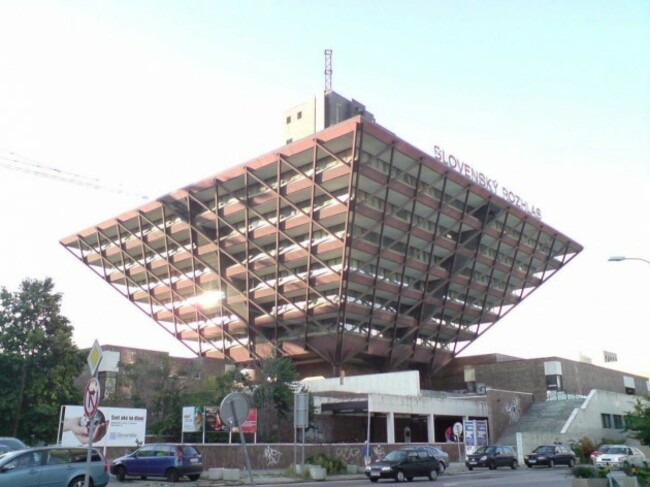
This radio building in Bratislava, Slovakia, took 16 years to build — mostly because it's basically upside down.
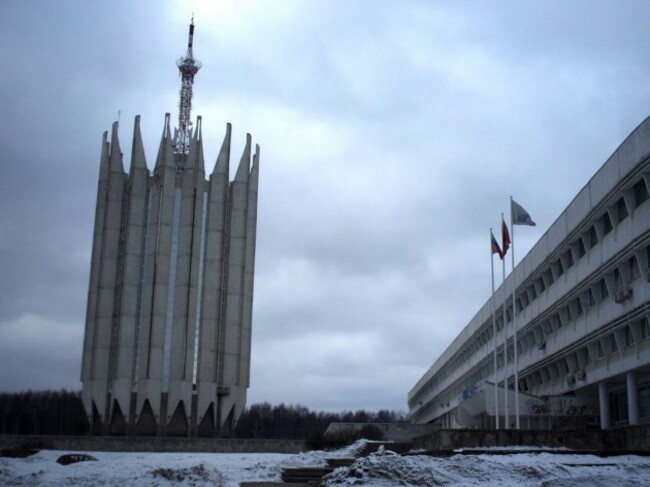
In St. Petersburg, the Russian State Scientific Center for Robotics and Technical Cybernetics looks a bit like some sort of Satanist temple.
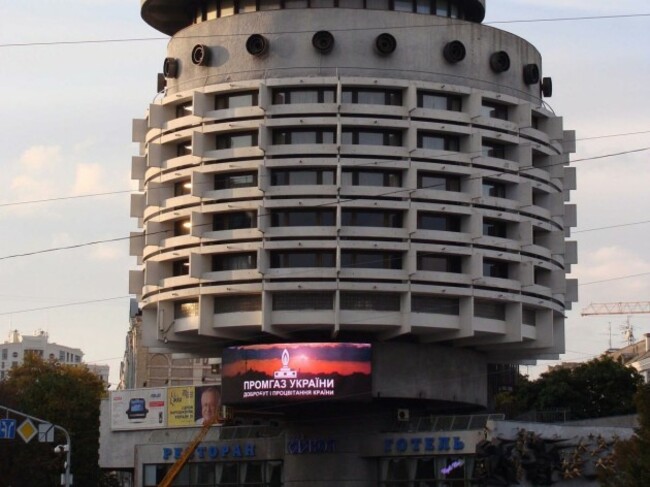
The Hotel Salut in Kiev was designed by Abraham Miletsky in 1984, and like the Ukrainian result featured earlier, has a very spacecraft-like effect.

To embed this post, copy the code below on your site












have your say