Sign in. It’s quick, free and it’s up to you.
An account is an optional way to support the work we do. Find out more.
Sign in. It’s quick, free and it’s up to you.
An account is an optional way to support the work we do. Find out more.
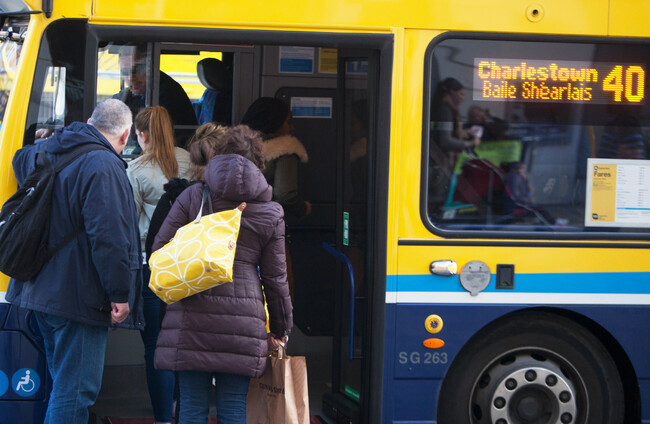
PUBLIC TRANSPORT WORKERS have once again spoken out about the abuse they face on the job, as SIPTU calls for dedicated transport police to deter anti-social behaviour.
Passengers refusing to pay, spitting on drivers and sexual assault are among the problems drivers have to deal with, and they said there’s little support when things go wrong.
Adrian Kane, the transport organiser for the union, says that the pandemic brought a “sea change” in passenger behaviour.
He worries that the country is losing a sense of respect for public transport workers.
Suzanne Armstrong is a Dublin Bus driver who says the threat of abuse while on the job has made her question at times whether it’s the career for her.
She told The Journal that she once had a brick thrown through the window of the bus she was driving. Fortunately, no one was injured.
Other objects, such as stones and rubbish, are also often thrown at buses.
“That’s obviously going to intimidate the drivers,” she said, adding that when anti-social behaviour shuts down a part of a bus route temporarily, that can spark even more abuse.
“You could have other passengers coming up then roaring and shouting at you.
“We can call the guards, but then you’re waiting on the guards to respond, and obviously their resources are thin on the ground.”
According to Armstrong, more personnel at stops, who could remove disruptive people, would help drivers who find themselves in difficult situations.
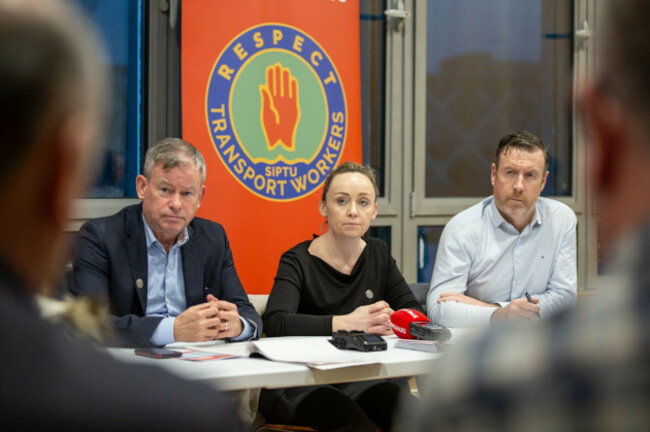
Other drivers today described incidents of harassment, verbal abuse and general disrespect, which they say has only worsened since the pandemic.
SIPTU has been calling for dedicated public transport police for decades, but the government has largely shot down the idea.
Transport Minister Eamon Ryan said in November that anti-social behaviour on public transport should be dealt with by regular gardaí, who can “call on a range of resources”.
“Whether there is a specific unit in An Garda Síochána is a matter for its operations,” he said.
“An Garda Síochána is strongly of the view that it would not be better for there to be a completely separate transport police service. I do not know what the compelling argument in favour of that approach is.”
Some workers surveyed by SIPTU reported that drug deals sometimes take place on board.
Labour TD for Fingal Duncan Smith said there may be a disconnect between politicians and the conditions on public transport as some rarely use the services.
He found it “deeply concerning” to learn of the breadth of abuse facing workers.
Smith, who sits on the Oireachtas Transport Committee, said identifying best practice in other countries could help Ireland safeguard its drivers.
SIPTU today launched its new campaign that aims to promote respect among the public towards public transport workers.
The union plans to do more research on the specific experiences of different demographics, such as migrant workers, who have reported higher levels of abuse.

To embed this post, copy the code below on your site














have your say