Sign in. It’s quick, free and it’s up to you.
An account is an optional way to support the work we do. Find out more.
Sign in. It’s quick, free and it’s up to you.
An account is an optional way to support the work we do. Find out more.
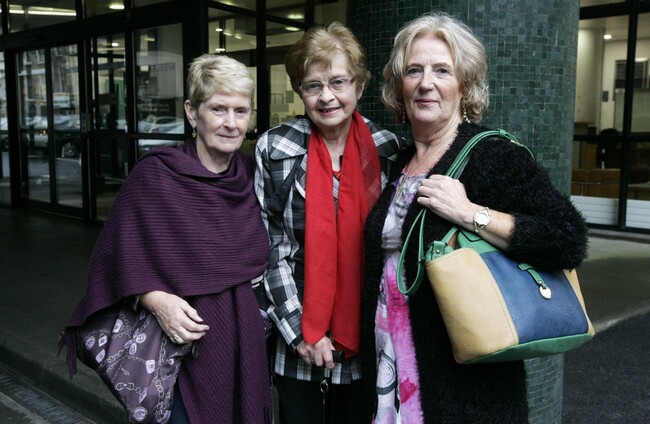
A GOVERNMENT REDRESS scheme set up to compensate symphysiotomy survivors has given applicants another three weeks to request return of their medical records following complaints about the original deadline date.
A notice posted on the payment scheme’s website earlier this month advised applicants that they had until 29 February to request that the documents they submitted for assessment be returned to them.
The notice said the scheme would assume applicants who have not made contact by then are happy to have their documents – other than original birth and baptism certificates – shredded when its work is complete.
Survivors who spoke out against the move said the scheme should have gone to greater efforts to ensure applicants see the return of their documents – some of which they say are original, decades-old hospital and GP files.
“The overwhelming majority of our members are not computer literate nor are their legal advisors in the habit of receiving online notifications,” said Marie O’Connor of Survivors of Symphysiotomy (SOS), a group representing women who were subjected to the controversial procedure.
The scheme has now rowed back on the decision, saying all applicants will instead be sent a form by post on which they can indicate their preference.
The letter allows applicants to agree or disagree with the statement: “I wish to have my application and supporting documents shredded.”
In the updated notice on its website, the scheme said it “would be grateful if you would let us know before 20 March”.
Valuable records
Earlier this week, SOS called on the Data Protection Commissioner to prevent unclaimed records from being destroyed.
O’Connor said the records were entrusted to the scheme on the understanding that they would eventually be returned.
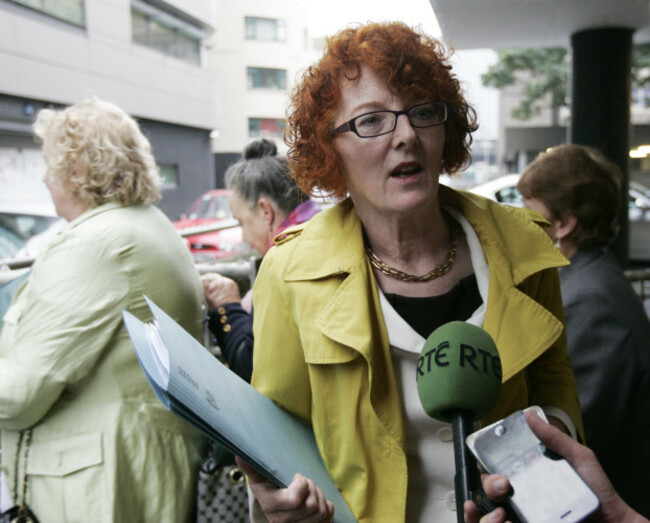
“Instead of destroying these valuable records, we appeal to the assessor to return them by post to all applicants, as the scheme undertook to do,” she said.
The terms of the scheme state that “the assessor shall, where reasonably possible, arrange for the return to the applicant or her solicitor” of any submitted documents.
The assessor also has the power, however, to “arrange for the destruction of confidential documentation and information whether in documentary or electronic form” once the scheme is concluded.
Compensation
O’Connor told TheJournal.ie that she was concerned that the documents will be held for collection at the Department of Health once the assessment process has concluded.
Many applicants are involved in litigation against the state, she said, and to deposit their records with the department could potentially give the state an advantage in upcoming legal action.
Symphysiotomy was carried out on an estimated 1,500 women in Ireland up to the 1980s, long after being discontinued in other jurisdictions.
The controversial operation involved cutting the cartilage of a pregnant women’s pelvic bone – or breaking the bone itself in some extreme cases – to widen the birth canal.
Many women subjected to the procedure were left with long-term medical difficulties including incontinence and chronic pain.
The government established a redress scheme to compensate survivors following years of campaigning.
Women injured during the operation have been able to claim for one of three categories of funding: €50,000, €100,000 and €150,000.
The Office of the Data Protection Commissioner confirmed it is considering the matter following correspondence received earlier this week.

To embed this post, copy the code below on your site












have your say