Sign in. It’s quick, free and it’s up to you.
An account is an optional way to support the work we do. Find out more.
Sign in. It’s quick, free and it’s up to you.
An account is an optional way to support the work we do. Find out more.
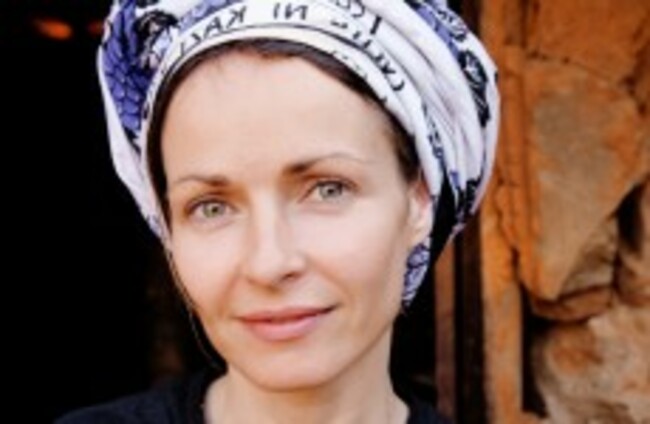
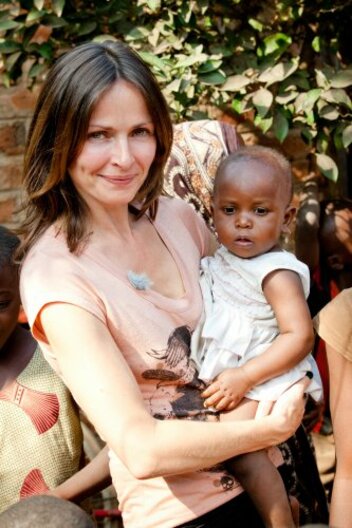
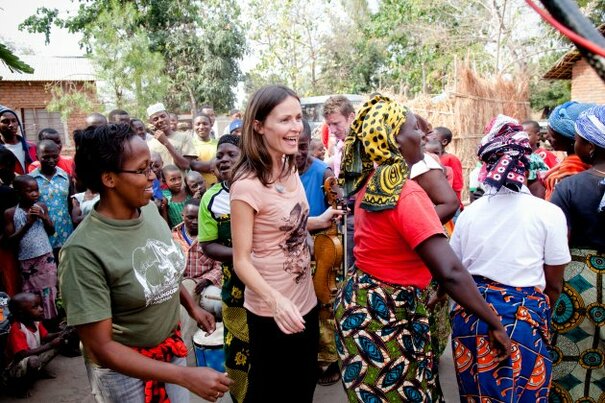
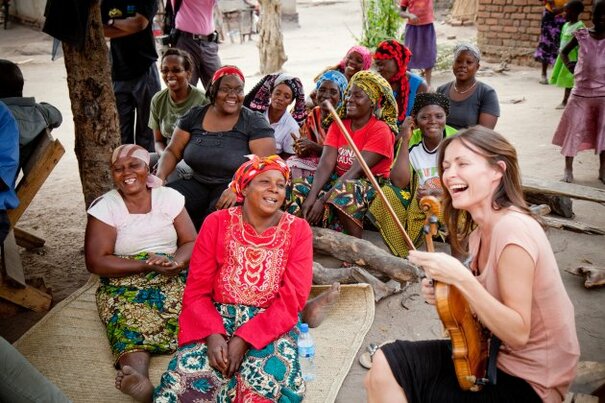
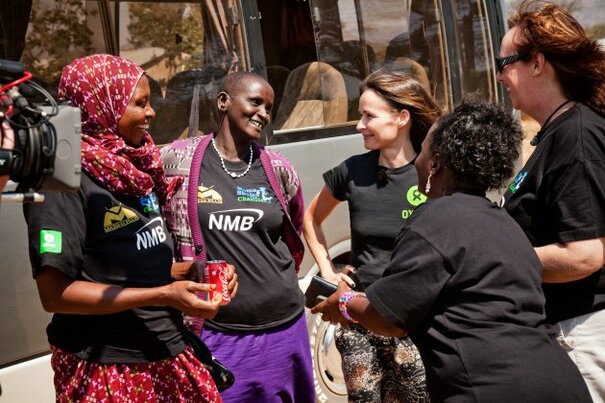
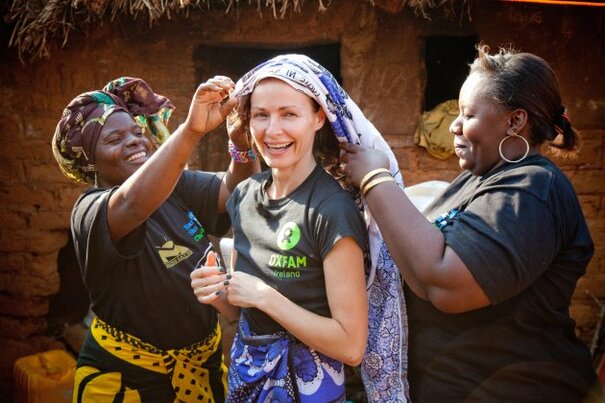
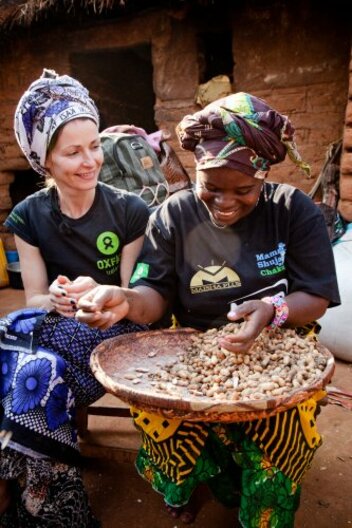
SPEAKING OF HER recent trip to Tanzania as an Oxfam ambassador, Sharon Corr credits the experience with allowing her to become optimistic about people again.
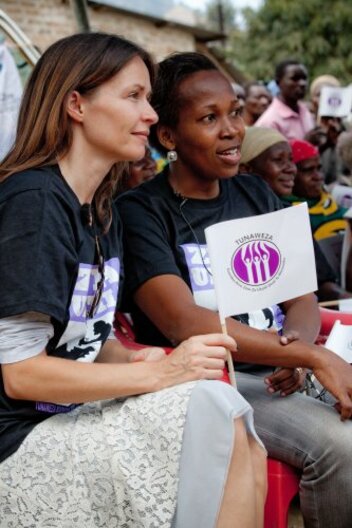
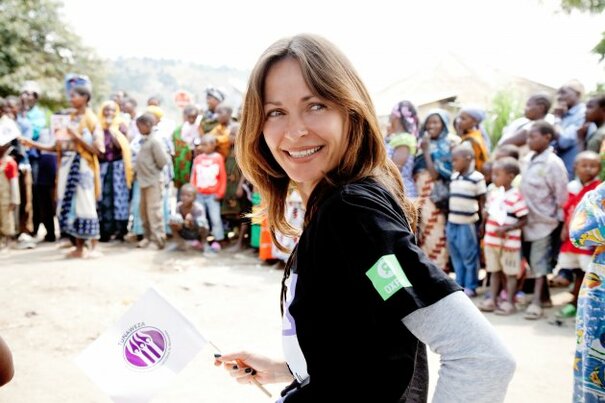
“I think I’d been a bit cynical for years,” she says. In July of this year, Corr travelled to the East African country as part of Oxfam’s continuing campaign to change how women are treated, and treat themselves.
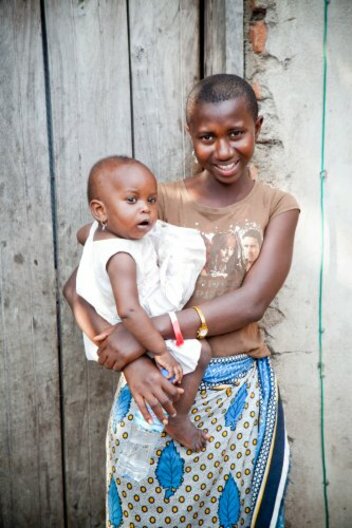
“A woman is very much a second class citizen in Tanzania,” Corr says. Despite working the land and cooking the food to feed their families, cultural norms have led to land ownership remaining in the hands of their husbands. “Legally, she does [have the right of ownership], but the women aren’t informed of this.”
I’ve always been a very powerful supporter of women and, not that it is anything against men, just as a women I feel it’s very important that women should support other women. We genuinely understand what each other goes through.
“There’s a problem with cultural norms, and we had them in Ireland,” Corr says. “It wasn’t so long ago that women were expected to give up work when they got married and were told basically to go home and mind the children and not fulfill their own dreams, and that was a cultural norm.”
There is nothing to stop women from owning land in Tanzania, it’s just not considered to be culturally acceptable. If the man decides to divorce her or abandon her, she then has no rights to the land and she basically can’t survive and she can’t feed her children. She dies.
In a country where one in two women experience domestic violence, having an awareness of their rights is essential.
“If their rights are enforced, if they’re allowed the legal access to their land and if they no longer live in fear of violence every day, they can create a better society all around them.”
The Ending Poverty Starts with Women campaign aims to give these women information about their rights, along with the legal documents and help to follow through. “They [Oxfam] don’t hand money out to people to make their lives better, because that doesn’t work,” Corr says.
These villages are in the middle of nowhere, they’ve no running water, they’ve no electricity, they’ve certainly no access to media. So they have no awareness of their rights.
It defines a man in Tanzania if he’s controlling his woman. The campaign is not focused on how violent the men are, it’s focused on allowing people the access to know that violence is wrong and then allowing them to change.
The women also change from accepting the violence and from passing it down to their daughters and saying ‘You should put up with that, you’re a woman’.
Celebrities doing charity work
On the topic of whether celebrity-led charity campaigns are worthwhile, required and, indeed, positive for the cause they are trying to promote, Corr believes it depends on where the focus goes:
My deal is very very simple. I like to do things that I am genuinely interested in and where I feel that I can bring something to the situation. If I can’t help, I should stay away and let somebody else help. For me, I was hugely flattered to be asked.
It’s actually not about me, it’s about them and if because of my profile in Ireland I can help people to know about them and their situation then it’s a job well done as far as I’m concerned.
“I’d like to challenge anybody to criticise me for going out to Tanzania for a week,” says Corr who, while not believing she is under any obligation to give back, wants to.
I want to because when somebody has smiled at me, that’s made my day better. People have done things for me throughout my life that have enhanced my life and made me feel better – my mother looked after me, my father looked after me, and my brothers and sisters have cared for me at stages throughout my life and I for them.
That’s how the world works. We may think it works differently but actually we are all utterly reliant on each other and we in this country know that more than ever now since the recession. We were so busy building up walls against each other when we were making money that we forgot that we needed each other. It’s very basic. We need each other.
On being overly cynical
For Corr, the week-long trip came at the right time, turning her cynicism back to optimism – for the most part.
“What makes me really really cynical is our government bailing out the banks,” Corr says, annoyed. “That made me think ‘oh my god, why do we bother electing these people if they cannot support us in any way, and they make us pay for all their mistakes.’”
I was very cynical before I went out there. I loved all the people involved and, really, the good stuff in people comes out when you allow them.
If you give people half the chance to make the right decision, they will. They really will.


To embed this post, copy the code below on your site











have your say