Sign in. It’s quick, free and it’s up to you.
An account is an optional way to support the work we do. Find out more.
Sign in. It’s quick, free and it’s up to you.
An account is an optional way to support the work we do. Find out more.
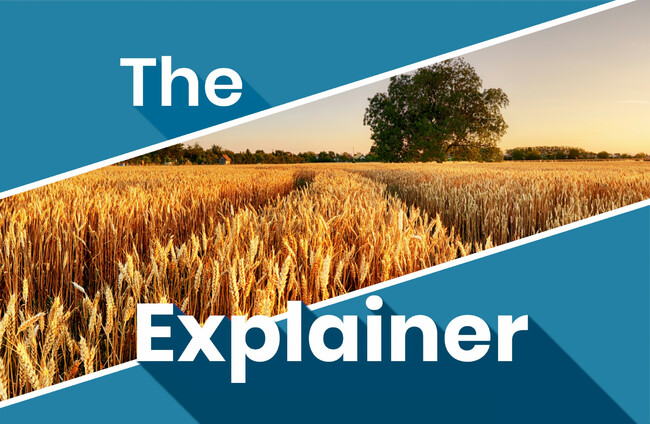
FOR MANY PEOPLE in Ireland, the closest they’ve come in recent years to a national food shortage was the empty bread shelves at the supermarket in the early days of the Covid pandemic.
But what might have seemed almost quaint back then – though most definitely not for those who consistently experience food insecurity in their lives – is now a broader issue across Ireland.
Russia’s invasion of Ukraine has had devastating consequences for the Ukrainian people. The effect on the rest of the world pales in comparison, but there has been an impact - sanctions on Russia have led to global disruptions to wheat supplies, which in turn has caused prices to surge.
There’s a potential knock-on effect for meat and dairy if farmers are saddled with additional costs for their livestock feed. Russia also produces a significant proportion of the key ingredients in fertilisers.
European leaders are scrambling to put plans in place, and in Ireland the government is introducing supports for farmers, asking them to plant wheat, barley and other grains.
But how worried should we be about Ireland’s food security – and what can be done to limit the disruption? To discuss this, our presenter Michelle Hennessy is joined this week by Trevor Donnellan, head of economics and surveys at Teagasc, the agriculture and food development authority.
Listen here for more:
https://soundcloud.com/the-explainer-podcast/how-secure-is-irelands-food-supply
This episode was put together by presenters Michelle Hennessy and Gráinne Ni Aodha, and producers Nicky Ryan and Aoife Barry.

To embed this post, copy the code below on your site













have your say